

Key findings from this study
This research indicates that:
Key points
- Immersive perspective-taking through VR significantly enhanced both species literacy and positive attitudes toward reptiles and amphibians in urban populations.
- Embodiment and scale-shift mechanics effectively reduced aversion to typically overlooked herpetofauna taxa.
- The mixed-methods evaluation combining quantitative metrics with qualitative data provides a replicable framework for assessing VR conservation interventions.
Overview
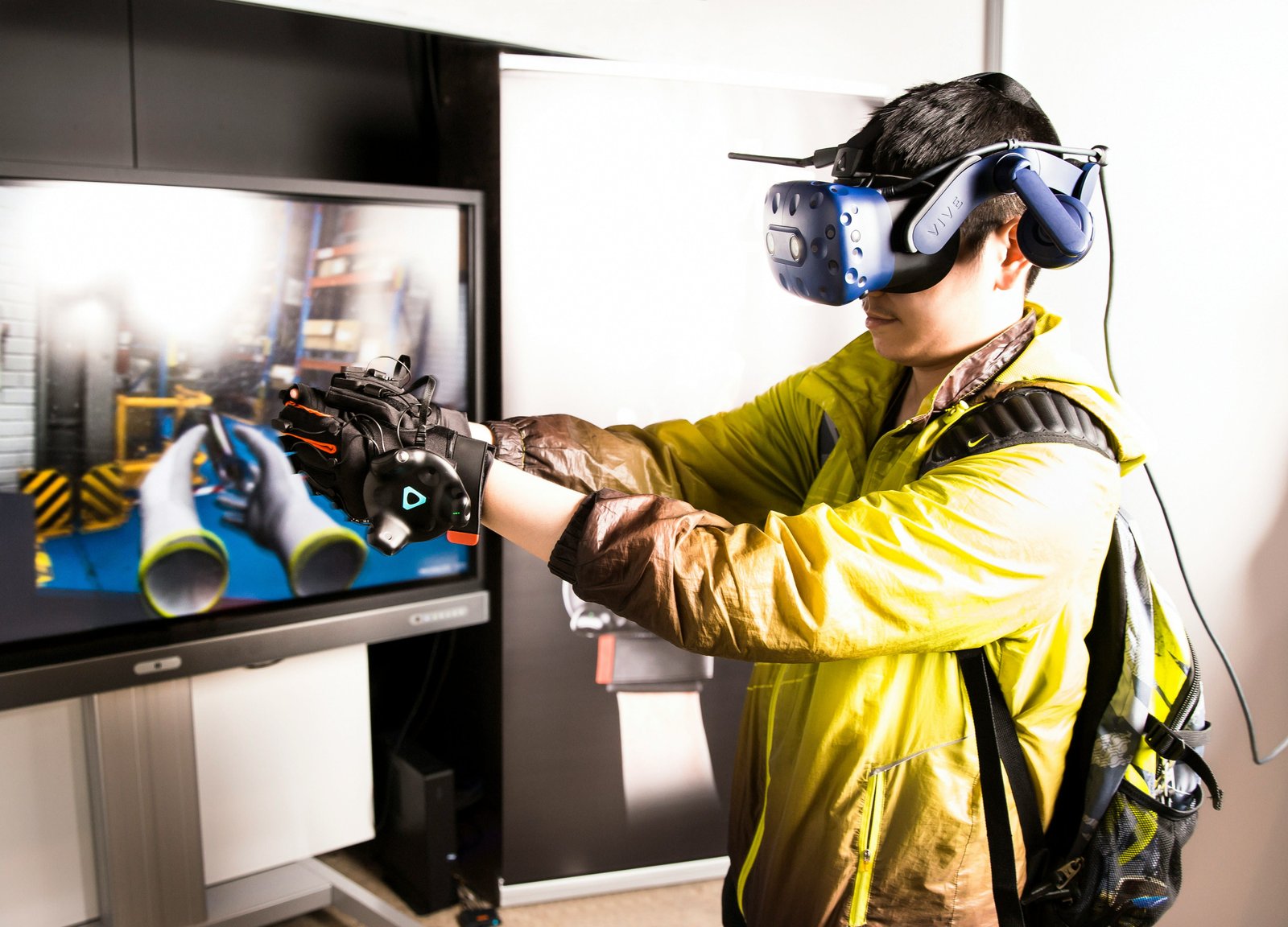
This research examines virtual reality as a mechanism for developing empathy and ecological literacy regarding urban herpetofauna—species groups typically neglected in conservation discourse. The Wetland Quest (TWQ), an immersive VR experience situated in a Shanghai wetland, employs embodiment and scale-shift mechanics to position users within the experiential context of local reptile and amphibian species.
Methods and approach
A mixed-methods study enrolled 62 participants to evaluate TWQ's effects on species knowledge and attitudes. The evaluation protocol integrated knowledge assessments, validated attitude instruments, observational data, and qualitative interviews. This combined approach provides a transferable methodological framework for subsequent VR-based conservation research.
Results
TWQ produced statistically significant improvements in species literacy and participant attitudes toward herpetofauna. Quantitative metrics demonstrated large effect sizes across knowledge gain measures. Qualitative analysis identified immersion, empathic engagement, and reduced species aversion as primary thematic elements emerging from participant responses. Interview and observational data corroborated quantitative findings, indicating that perspective-taking mechanics effectively modulated affective and cognitive responses to typically undervalued species.
Implications
The findings suggest immersive perspective-taking technologies can effectively enhance both knowledge acquisition and attitudinal shifts in environmental communication contexts. The work establishes a design-research model applicable to underrepresented taxa in conservation education, extending human-computer interaction methodologies into environmental literacy domains. The transferable assessment protocol may support systematic evaluation of future VR interventions targeting conservation awareness across diverse species and geographic contexts.
Scope and limitations
This summary is based on the study abstract and available metadata. It does not include a full analysis of the complete paper, supplementary materials, or underlying datasets unless explicitly stated. Findings should be interpreted in the context of the original publication.
Disclosure
- Research title: The Wetland Quest: Fostering Empathy and Literacy for Urban Herpetofauna Through VR Wetland Exploration
- Authors: Lei Xia, Xiaomei Li, Jixiang Fan, Dan Li, Ling Fan
- Institutions: Shanghai Tongji Urban Planning and Design Institute, Tongji University, Virginia Tech
- Publication date: 2026-04-13
- DOI: https://doi.org/10.1145/3772318.3790443
- OpenAlex record: View
- Image credit: Photo by XR Expo on Unsplash (Source • License)
- Disclosure: This post was generated by Claude (Anthropic). The original authors did not write or review this post.
Disclosure
- Research title:
- The Wetland Quest: Fostering Empathy and Literacy for Urban Herpetofauna Through VR Wetland Exploration
- Publication date:
- 2026-04-13
- OpenAlex record:
- View
- Image credit:
- Photo by XR Expo on Unsplash · Unsplash License
Get the weekly research newsletter
Stay current with peer-reviewed research without reading academic papers — one filtered digest, every Friday.