

AI Summary of Peer-Reviewed Research
This page presents an AI-generated summary of a published research paper. The original authors did not write or review this article. See full disclosure ↓
Publication Signals show what we were able to verify about where this research was published.MODERATECore publication signals for this source were verified. Publication Signals reflect the source’s verifiable credentials, not the quality of the research.
- ✔ Peer-reviewed source
- ✔ Published in indexed journal
- ✔ No retraction or integrity flags
Key findings from this study
- The study found that hydroxyl radical fluctuations accounted for 83% of year-on-year variations in atmospheric methane growth rate between 2019 and 2023.
- The researchers demonstrate that wetland and inland water emissions increased by 8.6 ± 2.6 TgCH4 year-1 between 2019 and 2020-2022, then decreased by 9.9 ± 3.3 TgCH4 year-1 in 2023.
- The authors report that northern tropical wetlands in Africa and Asia drove most emission increases during the study period, whereas South American wetlands declined and Arctic regions showed growth.
Overview
Atmospheric methane growth rate peaked at 16.2 ppb year-1 in 2020, then declined to 8.6 ppb year-1 by 2023. Hydroxyl radical (OH) fluctuations drove 83% of year-on-year variations in growth rate. Wetland and inland water emissions contributed the remainder, with regional shifts in tropical Africa and Asia offsetting declines in South America and increases in Arctic regions.
Methods and approach
The researchers applied multiple atmospheric inversions constrained by observation-based and model-based OH fields alongside CH4 atmospheric measurements. This approach isolated contributions from chemical degradation versus direct emissions. Regional emission changes were tracked across tropical wetlands in Africa, Asia, South America, and Arctic regions from 2019 through 2023.
Results
Hydroxyl radical concentrations dropped in 2020-2021, then recovered during 2022-2023, explaining the dominant driver of methane growth rate fluctuations. Wetland and inland water emissions increased by 8.6 ± 2.6 TgCH4 year-1 between 2019 and 2020-2022, then decreased by 9.9 ± 3.3 TgCH4 year-1 between 2022 and 2023. Regional analysis revealed that northern tropical wetlands in Africa and Asia were the primary sources of emission increases from 2019 to 2023, while South American wetlands emissions declined and Arctic emissions rose after 2019.
Implications
Atmospheric methane concentrations respond substantially to short-term variations in oxidative capacity, not solely to direct emission changes. Future methane projections require accurate representation of OH radical dynamics alongside traditional emissions inventories. Regional wetland responses to climate variability or hydrological changes constitute significant but variable contributors to atmospheric methane trends.
Scope and limitations
This summary is based on the study abstract and available metadata. It does not include a full analysis of the complete paper, supplementary materials, or underlying datasets unless explicitly stated. Findings should be interpreted in the context of the original publication.
Disclosure
- Research title: Why methane surged in the atmosphere during the early 2020s
- Authors: P. Ciais, Yu Zhu, Y. Cai, Xin Lan, S. E. Michel, B. Zheng, Y. Zhao, D. A. Hauglustaine, X. Lin, Y. Zhang, S. Sun, X. Tian
- Institutions: CEA Paris-Saclay, Centre National de la Recherche Scientifique, Commissariat à l'Énergie Atomique et aux Énergies Alternatives, Cooperative Institute for Research in Environmental Sciences, Earth Science Institute of the Slovak Academy of Sciences, Institute of Arctic and Alpine Research, Laboratoire des Sciences du Climat et de l'Environnement, National Oceanic and Atmospheric Administration, Tsinghua University, Université de Versailles Saint-Quentin-en-Yvelines, Université Paris-Saclay, University of Colorado Boulder
- Publication date: 2026-02-05
- DOI: https://doi.org/10.1126/science.adx8262
- OpenAlex record: View
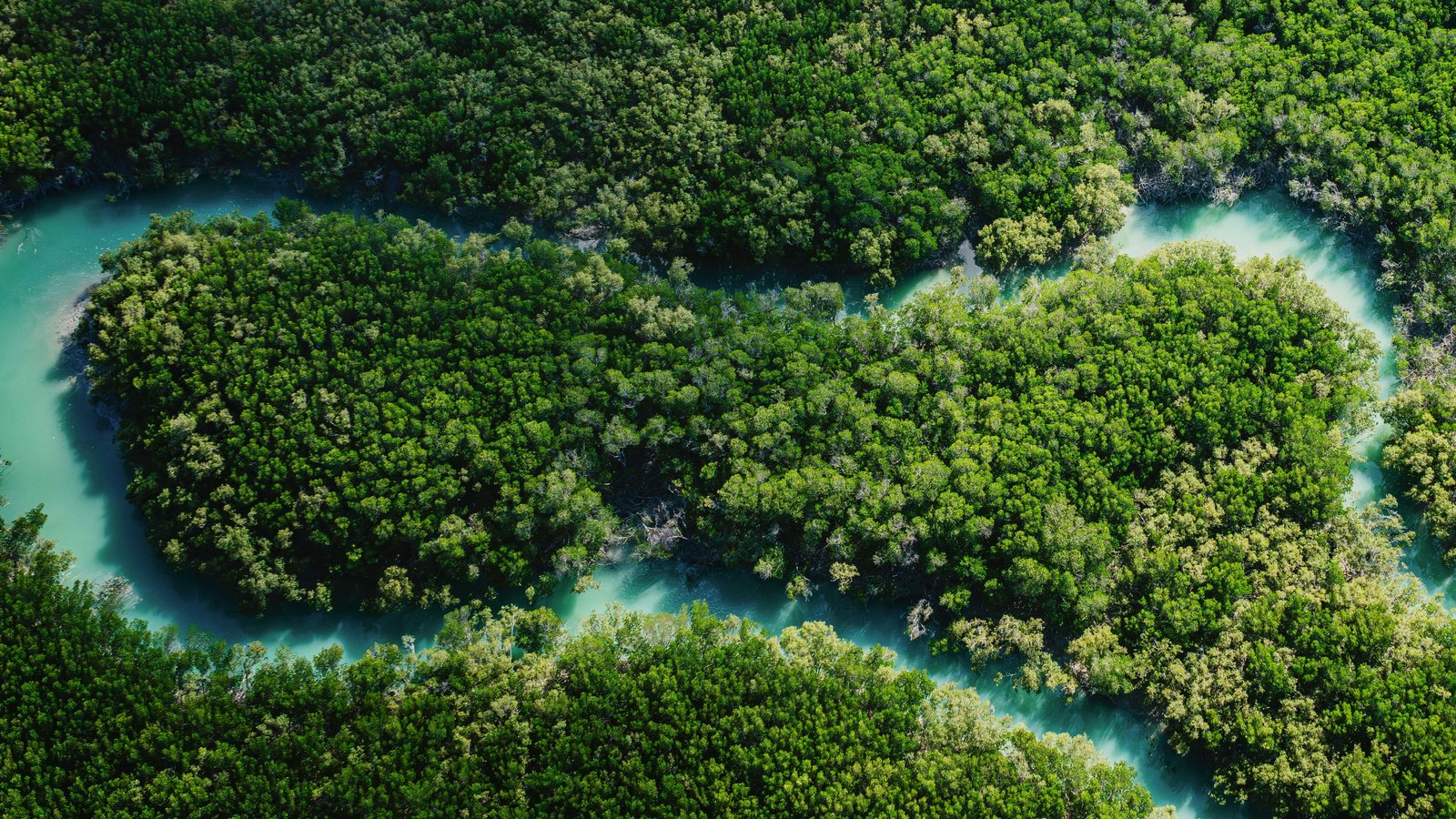
- Image credit: Photo by Rod Long on Unsplash (Source • License)
- Disclosure: This post was generated by Claude (Anthropic). The original authors did not write or review this post.
Get the weekly research newsletter
Stay current with peer-reviewed research without reading academic papers — one filtered digest, every Friday.