

What the study found
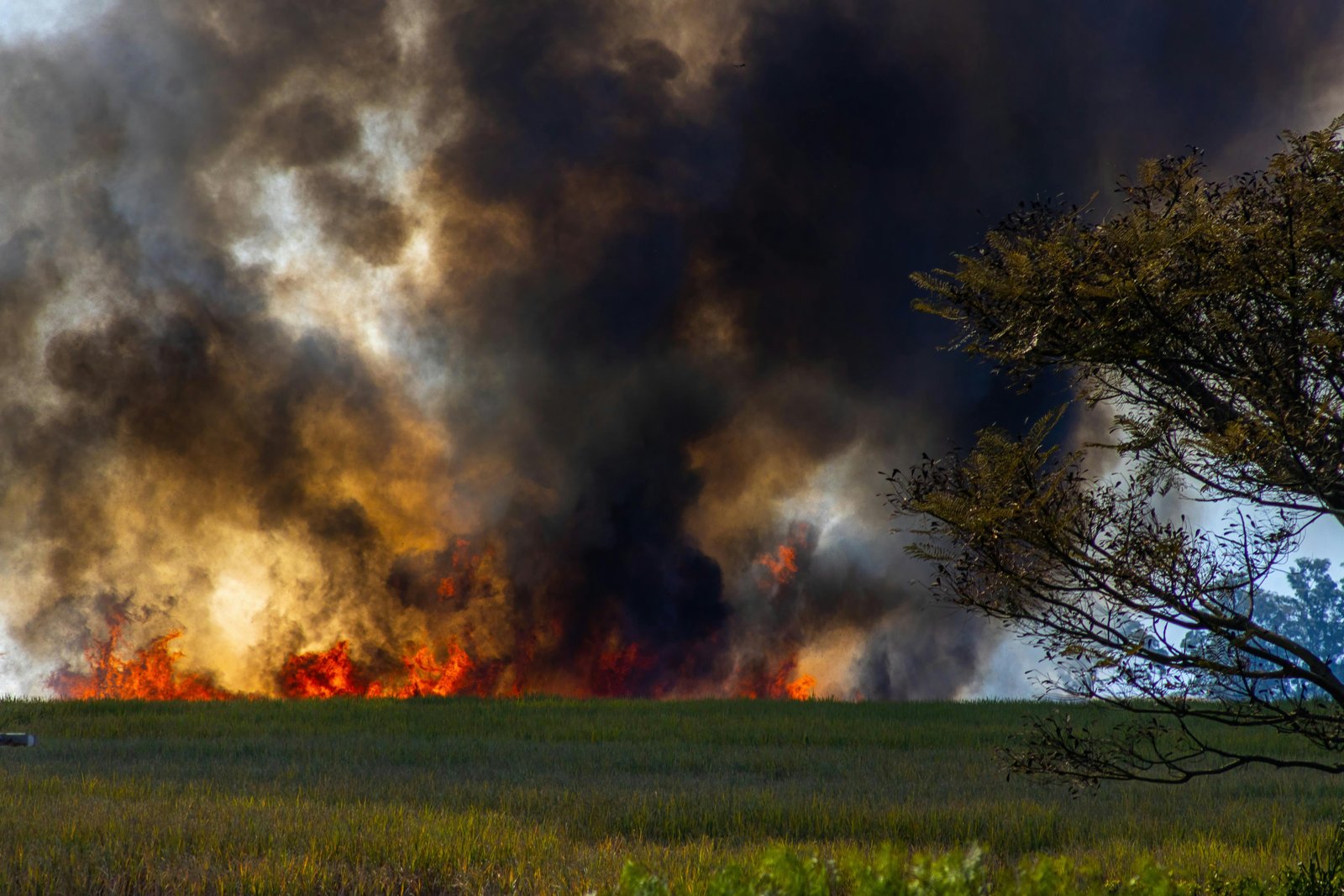
The study found that relative air humidity at the time of burning was a key predictor of fire behavior in the Cerrado, a tropical humid savanna. Early dry season (EDS) fires under lower daytime humidity could reach fire intensities similar to late dry season (LDS) fires, while higher-humidity evening EDS fires were less intense.
Why the authors say this matters
The authors conclude that fire management in Cerrado landscapes should consider different daily, seasonal, and fuel-load conditions to match specific management goals. The findings indicate that acknowledging local conditions may improve management cost benefits.
What the researchers tested
The researchers carried out experimental fires in the early and late dry seasons. They compared burns done during the day and in the evening, and they tested areas with different fuel loads, then assessed fire intensity and fuel consumption.
What worked and what didn't
In lower-humidity daytime conditions, EDS fires produced fire intensities similar to LDS fires. In higher-humidity evening conditions, EDS fires were less intense, and these intensities also varied with available fuel in different years.
What to keep in mind
The abstract does not describe detailed limitations beyond the study setting and measured conditions. The findings are specific to experimental fires in the Cerrado and to the humidity, season, time of day, and fuel-load conditions tested.
Key points
- Relative air humidity at burning time was a key predictor of fire behavior in the Cerrado.
- Early dry season fires in lower daytime humidity could be as intense as late dry season fires.
- Early dry season fires in higher-humidity evening conditions were less intense.
- Fire intensity also varied with available fuel in different years.
- The authors say fire management should consider daily, seasonal, and fuel-load conditions.
Disclosure
- Research title:
- Relative humidity predicted fire intensity in Cerrado burns
- Authors:
- Lívia Carvalho Moura, Alessandra Fidélis, Paulo Adriano Dias, Maxmiller Cardoso Ferreira, Isabel Belloni Schmidt
- Institutions:
- Institute for Society, Population and Nature, Instituto Chico Mendes de Conservação da Biodiversidade, Universidade de Brasília, Universidade de Brasília, Universidade de Brasília, Universidade Estadual Paulista (Unesp)
- Publication date:
- 2026-04-12
- DOI:
- 10.1071/wf25243
- OpenAlex record:
- View
- Image credit:
- Pexels • Alexandre P. Junior · Pexels License
Get the weekly research newsletter
Stay current with peer-reviewed research without reading academic papers — one filtered digest, every Friday.