Tag: Atmosphere & Air Quality
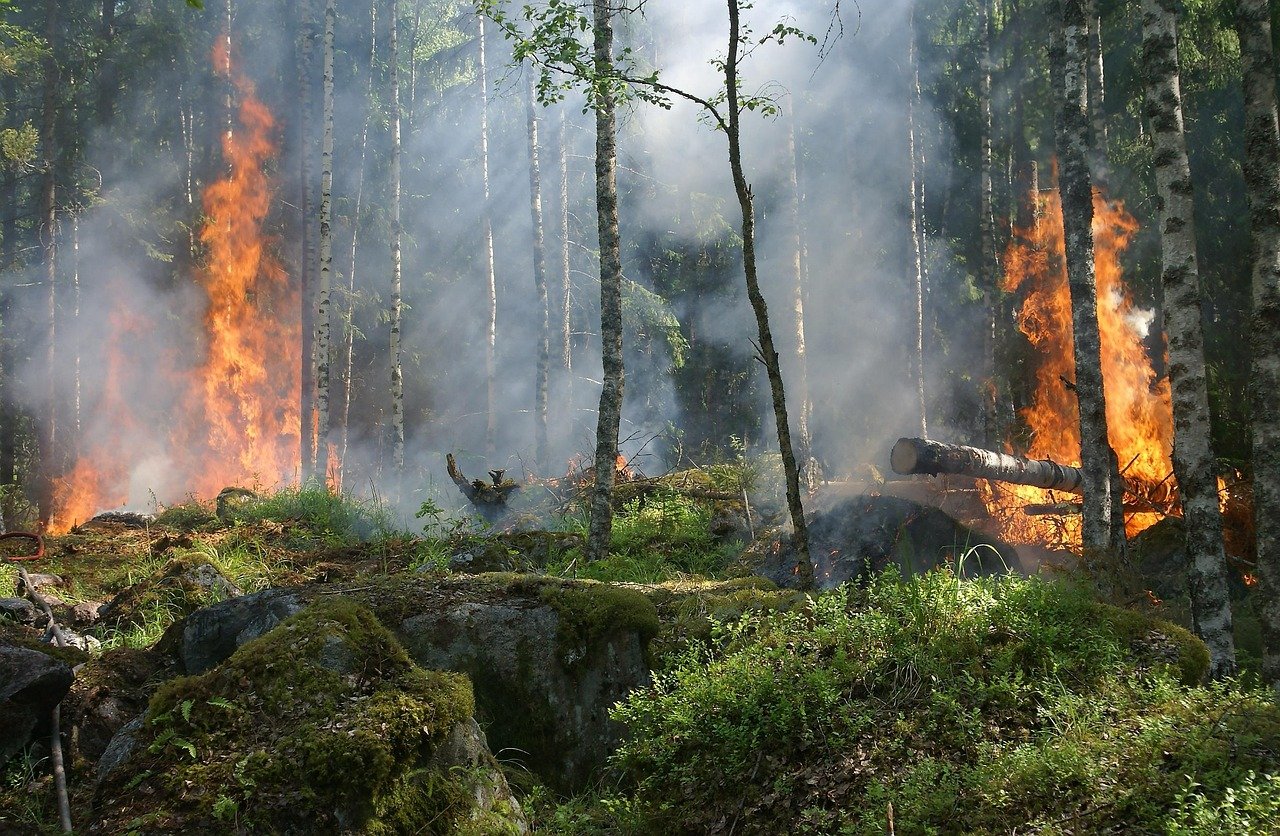
Relative air humidity at the time of burning is a key predictor of fire behaviour in the Cerrado
Humidity timing controls wildfire intensity in tropical savanna management

Inferring drivers of tropical isoprene: competing effects of emissions and chemistry
How isoprene behavior differs across tropical regions based on emissions and chemical processing

Significant Contribution of Gaseous Organic Nitrogen to Wet and Dry Nitrogen Deposition: Evidence From Year‐Long Monitoring in Coastal Hong Kong
Organic nitrogen constitutes a major but overlooked source of atmospheric nitrogen deposition

Divergent iron dissolution pathways controlled by sulfuric and nitric acids from the ground-level to the upper mixing layer
How altitude and aerosol size affect iron dissolution in polluted urban air

Why methane surged in the atmosphere during the early 2020s
Atmospheric methane surge linked to declining chemical breakdown and changing wetland emissions

Twenty‐One Years of Global Atmospheric Chlorine Inventories From Atmospheric Chemistry Experiment Fourier Transform Spectrometer (ACE‐FTS) Measurements
Two decades of satellite data reveal how Montreal Protocol is reducing atmospheric chlorine

Sub-seasonal and spatial variations in ozone formation and co-control potential for secondary aerosols in the Guanzhong basin, central China
How ozone and aerosol formation shift month by month in a polluted Chinese basin

Controlled chamber formation of per- and polyfluoroalkyl substances (PFAS) aerosols with Pseudomonas fluorescens : size distributions, effects, and inhalation deposition potential
How common environmental contaminants form airborne particles and reach the lungs
Image Credit: AI-generated image (OpenAI / DALL·E)Contrasting aerosol mixing states at inland and coastal sites: an entropy-based metric for CCN activity
How particles mix differently at coastal versus inland locations affects cloud formation