

What the study found
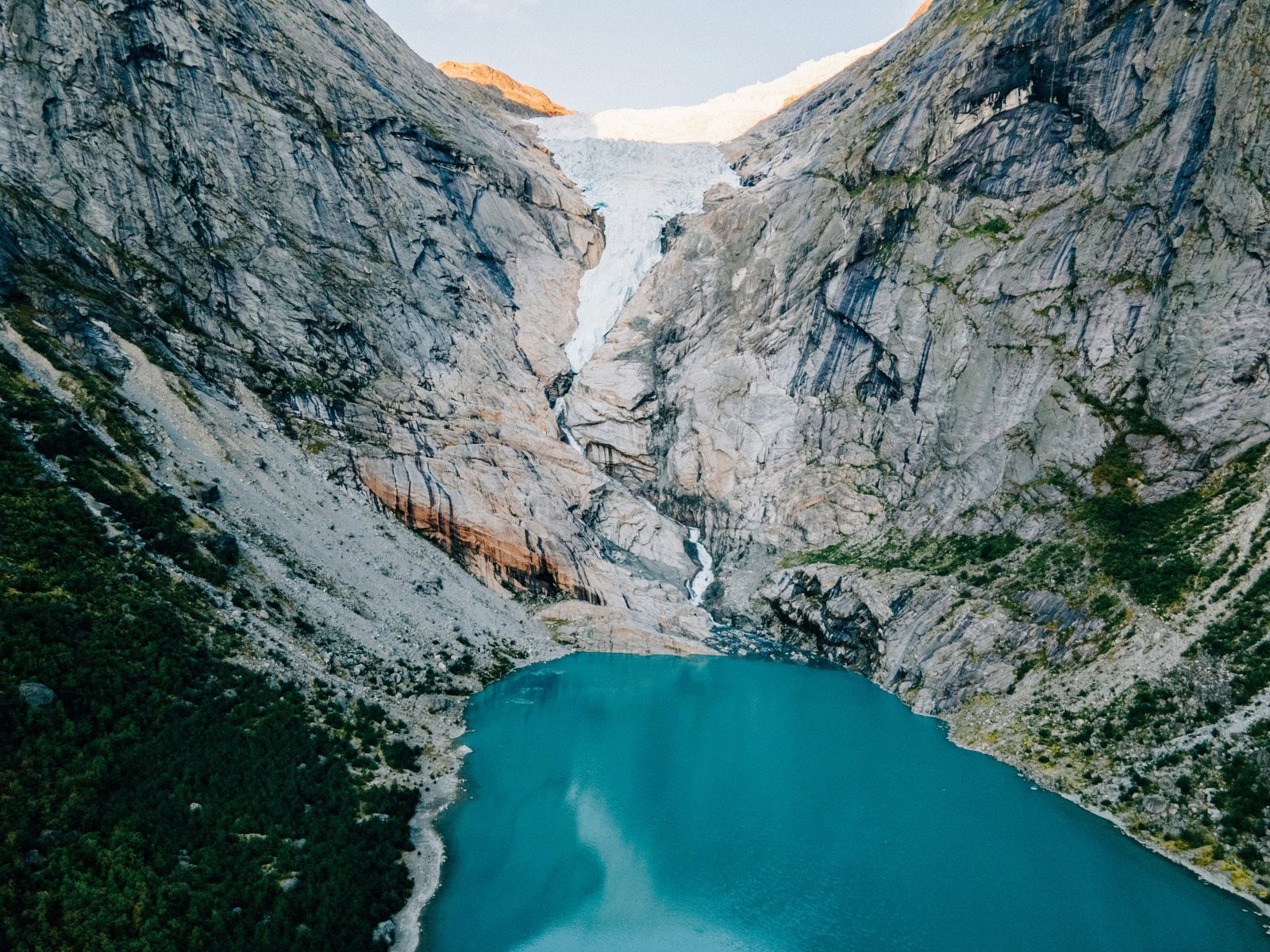
Baranof Island in southeast Alaska retained local ice cover after the Cordilleran Ice Sheet (a large continental ice sheet) retreated, and its glaciers changed repeatedly through the Late Pleistocene and Holocene. The study reports that glacier loss accelerated sharply after 1986 CE.
Why the authors say this matters
The authors conclude that these findings show Beringian glaciers are sensitive to climate change, and they say the glaciers will make a significant contribution to sea-level rise this century.
What the researchers tested
The researchers combined new cosmogenic 10Be exposure ages (dating how long rock has been exposed at the surface using a beryllium isotope) with a proglacial lake sediment archive from Baranof Island. They also used remote sensing to track glacier-area change around Baranof Lake from 1948 to 2023 CE.
What worked and what didn't
Exposure ages from Necker Bay support an earlier Cordilleran Ice Sheet deglaciation age of about 15–14 thousand years ago along the outer coast of Baranof Island. Retreat farther inland on both the western and eastern sides of the island is dated to the Early Holocene, and Baranof Lake sediments indicate local ice cover continued until about 10.4 thousand years ago, followed by glacier retreat to Holocene minima until about 8 thousand years ago.
What to keep in mind
The abstract does not describe limitations in detail. The reported findings are specific to Baranof Island, although the authors note that the recent glacier-area-loss trend is reflected across Alaska and western Canada.
Key points
- New 10Be exposure ages and lake sediments provide the first record of local ice cover after Cordilleran Ice Sheet retreat in southeast Alaska.
- Necker Bay ages support deglaciation of the outer coast of Baranof Island about 15–14 thousand years ago.
- Ice on the island persisted into the Early Holocene, with Baranof Lake sediments indicating local ice cover until about 10.4 thousand years ago.
- Glaciers were at Holocene minima until about 8 thousand years ago, then grew through the rest of the Holocene and peaked in the last millennium.
- Glacier area loss around Baranof Lake increased after 1986 CE from about −0.03 km2/yr to −0.29 km2/yr.
- The authors say the pattern reflects glacier sensitivity to climate change and a likely contribution to sea-level rise this century.
Disclosure
- Research title:
- Baranof Island glaciers persisted into the Holocene and then retreated rapidly
- Publication date:
- 2026-04-06
- OpenAlex record:
- View
- Image credit:
- Photo by Luke Oslizlo on Unsplash · Unsplash License
Get the weekly research newsletter
Stay current with peer-reviewed research without reading academic papers — one filtered digest, every Friday.