

What the study found
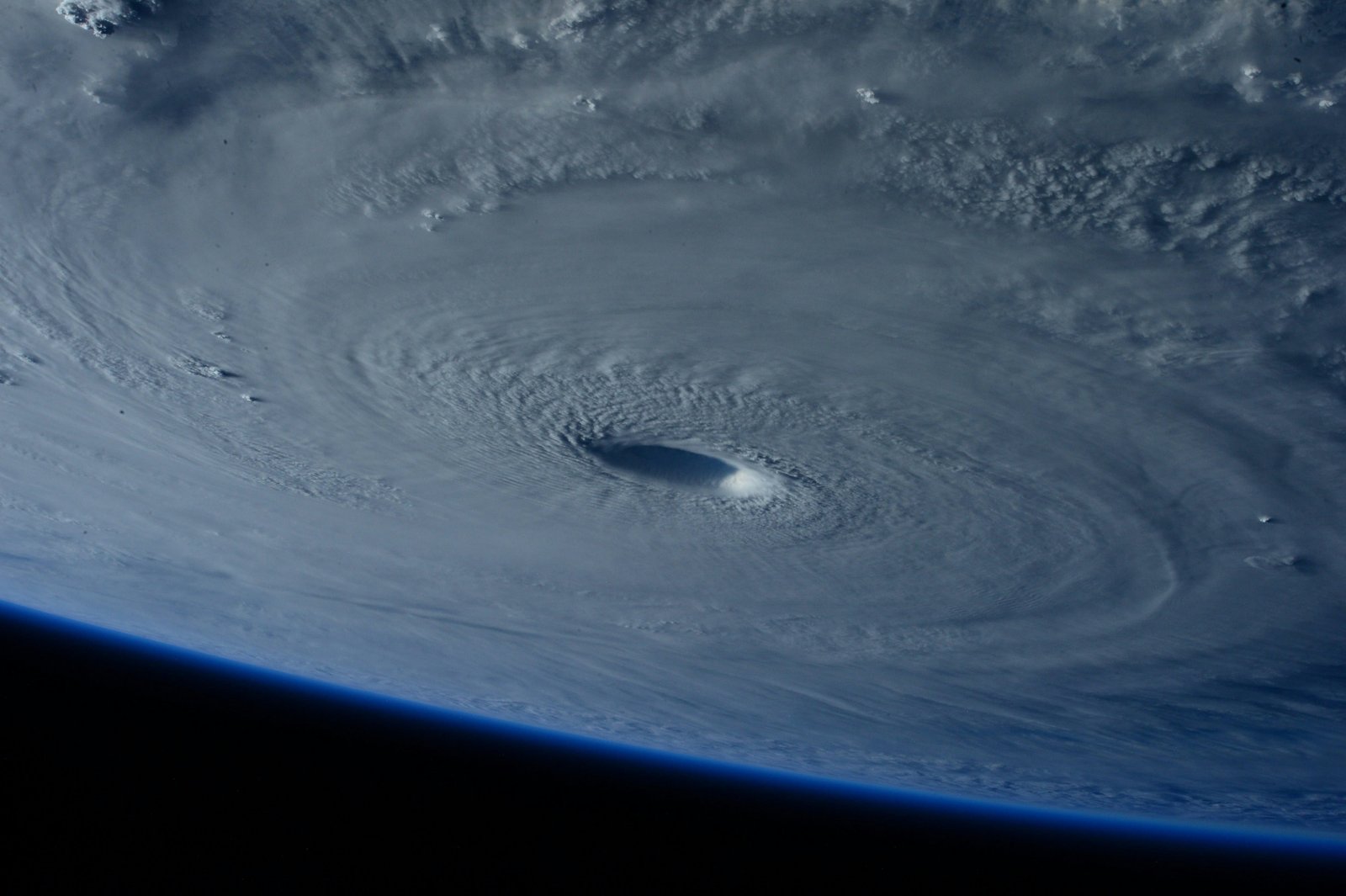
Tropical cyclone locations from 1950 to 2024 showed substantial variation across time and regions, with the Western Pacific basin having the highest concentration of storms. The study also found marked shifts in cyclone clusters over time and across basins, alongside changing spatial clustering patterns linked to El Niño Southern Oscillation, or ENSO, phases.
Why the authors say this matters
The authors conclude that the observed spatial and temporal changes point to complex and evolving tropical cyclone threats. They say the findings support region-specific adaptation and risk management strategies in the context of a warming climate.
What the researchers tested
The researchers analyzed global tropical cyclone track data from the International Best Track Archive for Climate Stewardship (IBTrACS) for both landfall and no-landfall events. They examined long-term spatial and temporal patterns using Emerging Hot Spots Analysis (EHSA) and Optimized Hot Spots Analysis (OHSA), and they explored associations between cyclone activity and ENSO phases.
What worked and what didn't
The analysis identified significant variability in tropical cyclone frequency and intensity at annual and decadal timescales. Persistent, diminishing, and intensifying clusters were detected, and the Western Pacific showed the greatest concentration of tropical cyclones; the abstract also notes sporadic or cold spots in the Eastern Pacific.
What to keep in mind
The abstract describes considerable temporal and spatial variability in uncertainty across basins, but it does not provide further detail on specific limitations. The summary provided here is limited to the abstract and title.
Key points
- The Western Pacific basin had the highest concentration of tropical cyclones.
- Cyclone frequency and intensity varied significantly at annual and decadal timescales.
- The study found persistent, diminishing, and intensifying hot spot clusters worldwide.
- ENSO phases were associated with different basin patterns of landfall frequency.
- The abstract says uncertainty varied considerably across regions and times.
Disclosure
- Research title:
- Tropical cyclone patterns shifted across basins from 1950 to 2024
- Publication date:
- 2026-03-10
- OpenAlex record:
- View
- Image credit:
- Photo by NASA on Unsplash · Unsplash License
Get the weekly research newsletter
Stay current with peer-reviewed research without reading academic papers — one filtered digest, every Friday.