

AI Summary of Peer-Reviewed Research
This page presents an AI-generated summary of a published research paper. The original authors did not write or review this article. See full disclosure ↓
Publication Signals show what we were able to verify about where this research was published.MODERATECore publication signals for this source were verified. Publication Signals reflect the source’s verifiable credentials, not the quality of the research.
- ✔ Peer-reviewed source
- ✔ No retraction or integrity flags
Overview
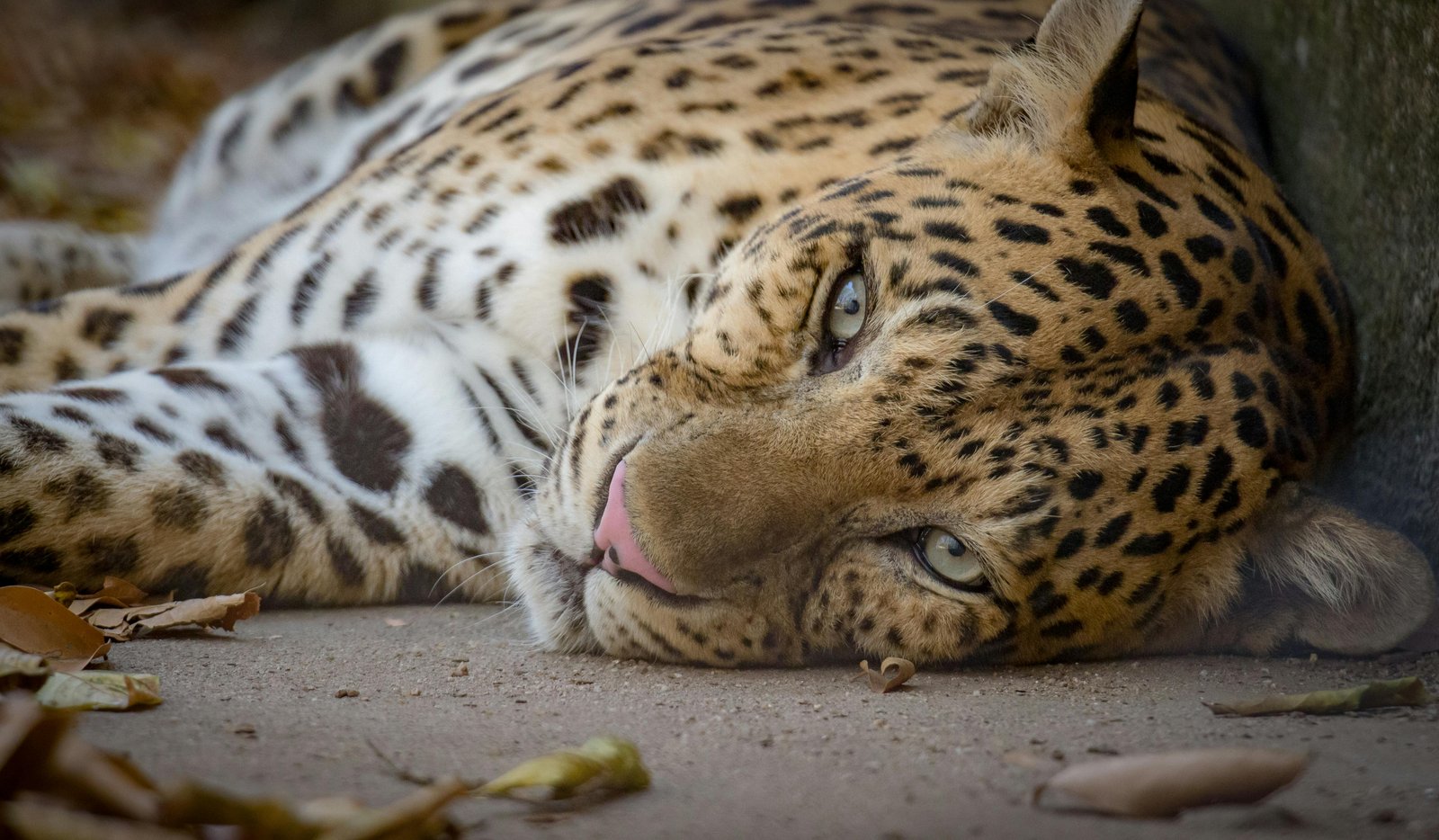
This study examines dietary composition and seasonal hunting patterns of Indian leopards (Panthera pardus fusca) across two protected areas in the Aravalli Hills of southern Rajasthan. Conducted over four years (November 2014 to October 2018), the research employs scatological analysis to characterize prey utilization and behavioral plasticity in response to seasonal prey availability fluctuations within fragmented semi-arid forest landscapes.
Methods and approach
Scatological investigation was conducted on 150 scat samples collected between 2014 and 2018 from two study sites: Sisarma Banki Forest (n=86) and Sajjangarh Wildlife Sanctuary (n=64). Microscopic examination of hair and bone fragments enabled identification of prey species and dietary composition analysis. Seasonal dietary proportions were calculated and statistically evaluated to assess temporal variation in prey utilization patterns across wild and domestic animal categories.
Key Findings
Thirteen distinct prey species were identified: eight wild species and five domestic species, indicating dietary diversity across the prey-size spectrum from small rodents to large ungulates. Rodents constituted the primary dietary staple across most seasons with the exception of summer months. Domestic livestock hunting increased substantially during summer (63.14% of diet) and winter (57.85% of diet) periods, demonstrating marked seasonal shifts in predation patterns. The data indicate significant reliance on domestic animals relative to seasonal fluctuations in wild prey availability.
Implications
The observed behavioral plasticity and elevated dependency on domestic livestock reflects a functional response to depleted natural prey-base availability within fragmented landscapes. The shift toward domestic prey exploitation indicates ecological generalism driven by constrained access to wild ungulates and rodents in fragmented habitats. These findings underscore the necessity for landscape-level conservation interventions targeting restoration of natural prey populations to reduce human-leopard conflict and support apex predator persistence in semi-arid ecosystems.
Disclosure
- Research title: Seasonal Dietary Patterns and Hunting Strategies of the Indian Panthers (Panthera pardus fusca) in the Aravalli Hills of Southern Rajasthan: A Long-term Scatological Analysis
- Authors: Puneet Sharma
- Institutions: National Council Of Educational Research And Training
- Publication date: 2026-02-24
- DOI: https://doi.org/10.9734/ajriz/2026/v9i1256
- OpenAlex record: View
- Image credit: Photo by Wildlife Alliance on Pexels (Source • License)
- Disclosure: This post was generated by Claude (Anthropic). The original authors did not write or review this post.
Get the weekly research newsletter
Stay current with peer-reviewed research without reading academic papers — one filtered digest, every Friday.