

AI Summary of Peer-Reviewed Research
This page presents an AI-generated summary of a published research paper. The original authors did not write or review this article. See full disclosure ↓
Publication Signals show what we were able to verify about where this research was published.STRONGWe verified multiple publication signals for this source, including independently confirmed credentials. Publication Signals reflect the source’s verifiable credentials, not the quality of the research.
- ✔ Peer-reviewed source
- ✔ Published in indexed journal
- ✔ No retraction or integrity flags
Key findings from this study
This research indicates that:
- Tree-ring data from R. rospigliosii successfully reproduced growth trajectories derived from 20 years of permanent sample plot monitoring.
- Dendrochronological reconstruction requires substantially less time and resources than continuous long-term plot measurement.
- A von Bertalanffy model fitted to tree-ring data captured the variability observed in field measurements with 95% confidence intervals that aligned with permanent sample plot observations.
Overview
Tree-ring data from Retrophyllum rospigliosii, an endemic Andean conifer, were used to reconstruct annual growth trajectories and model diameter and biomass dynamics. This approach provides an efficient alternative to long-term permanent sample plot monitoring, which requires decades of continuous measurement and substantial resource investment.
Methods and approach
The study integrated two datasets: 20-year measurements from 30 permanent sample plots in a Colombian Andes plantation established in 1999, and tree-ring-width series from 16 trees spanning the full range of diameter classes. A von Bertalanffy growth model simulated individual tree-level diameter and biomass trajectories. Variability in simulated curves was compared against observed values from permanent sample plot measurements across years.
Results
The von Bertalanffy model generated diameter and biomass growth trajectories whose variability patterns closely matched permanent sample plot observations. The 95% confidence intervals of permanent sample plot observations generally coincided with those of simulated curves, demonstrating that the fitted model effectively captured the observed variability in measurements.
Tree-ring data successfully reproduced the growth curves derived from long-term permanent sample plot monitoring. This indicates dendrochronological reconstruction can substitute for extended monitoring periods while maintaining statistical consistency with direct measurements.
Implications
Dendrochronological approaches substantially reduce the temporal and financial demands of forest growth assessment. Tree-ring analysis enables retrospective reconstruction of growth dynamics across multiple decades without requiring ongoing field monitoring, addressing a critical constraint in forest management and research programs with limited resources.
The method offers a practical complement to existing permanent sample plot networks. Organizations can leverage tree-ring data to fill temporal gaps in forest monitoring and validate or extend historical growth records from plantations and natural stands.
Scope and limitations
This summary is based on the study abstract and available metadata. It does not include a full analysis of the complete paper, supplementary materials, or underlying datasets unless explicitly stated. Findings should be interpreted in the context of the original publication.
Disclosure
- Research title: Faster than plots: Tree-ring data efficiently reveal growth dynamics in the native Andean conifer Retrophyllum rospigliosii
- Authors: Camilo E. Martínez, Jorge A. Ramírez, Milton J. Escobar, Adriana M. Marín Velez, Jorge A. Giraldo, Sergio A. Orrego
- Institutions: Antioquia Institute of Technology, Departamento Nacional de Planeación, Universidad Nacional de Colombia, University of Cauca
- Publication date: 2026-04-05
- DOI: https://doi.org/10.1016/j.dendro.2026.126525
- OpenAlex record: View
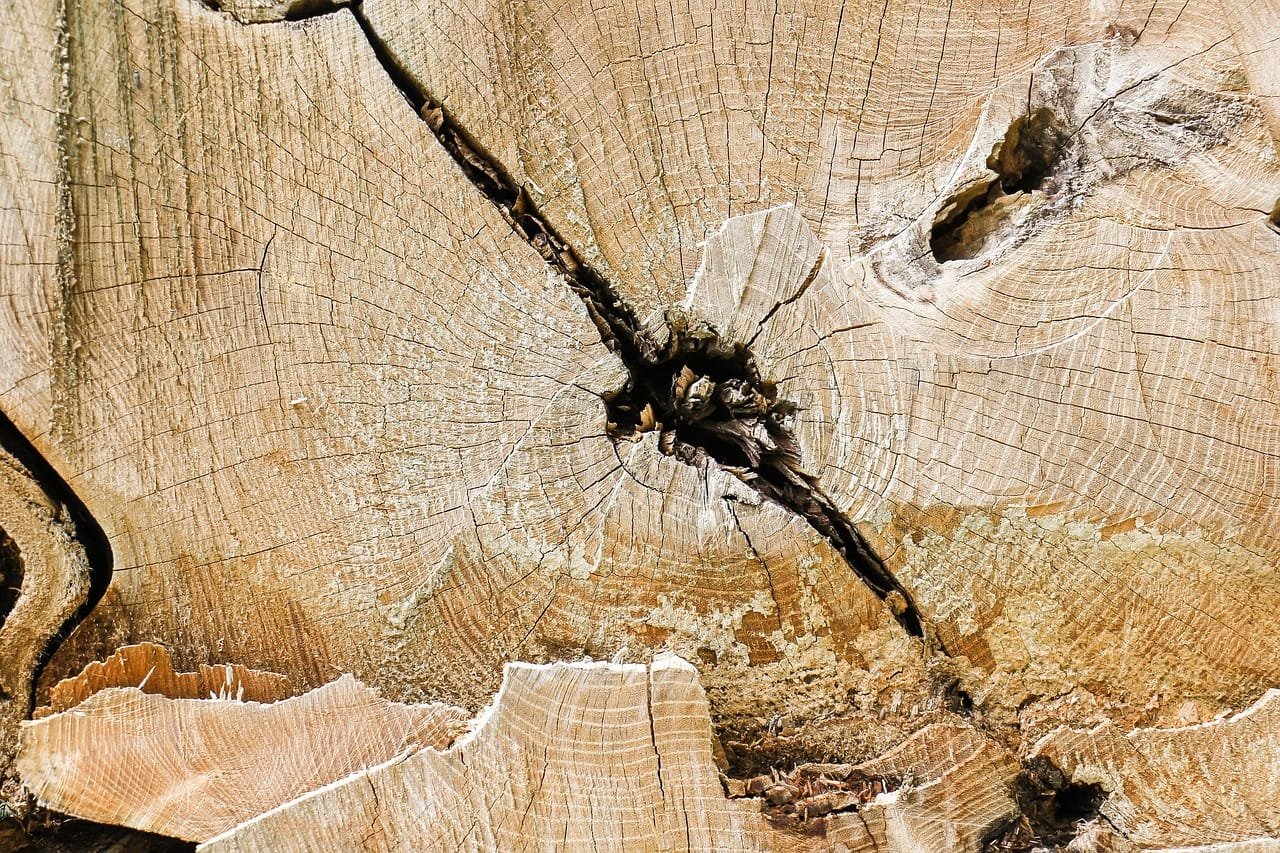
- Image credit: Photo by knollzw on Pixabay (Source • License)
- Disclosure: This post was generated by Claude (Anthropic). The original authors did not write or review this post.
Get the weekly research newsletter
Stay current with peer-reviewed research without reading academic papers — one filtered digest, every Friday.