

Key findings from this study
This research indicates that:
Key points
- On-device large language models show promise for conservation field work but require infrastructure incompatible with current resource-limited settings.
- Computational demands of existing on-device models exceed typical conservation organizations' technical capacity and equipment availability.
- Successful deployment depends on developing lightweight architectures specifically designed for conservation contexts rather than adapting general-purpose models.
Overview
This research investigates the viability of deploying large language model assistants on field devices for conservation work. The study examines whether on-device AI could enhance data collection experiences for field staff operating in resource-constrained environments across the Pacific Northwest and Namibia. The analysis reveals a fundamental tension between the computational demands of current on-device models and the infrastructure realities of conservation organizations.
Methods and approach
The researchers conducted semi-structured interviews, surveys, and participant observation with partner conservancies in two geographic regions. They employed speculative design methods grounded in technology acceptance theory to evaluate on-device AI integration. A transcription-language model pipeline was developed and integrated into EarthRanger, an open-source conservation platform, to simulate realistic deployment scenarios.
Results
On-device large language models present potential benefits for field data collection but face substantial practical constraints in conservation settings. The infrastructure requirements of current on-device models—including computational power, storage capacity, and sustained connectivity—are misaligned with typical conservation organizations' resource availability. The study identified specific use cases where on-device AI could support field staff, yet the deployment pathway requires technological and organizational adaptations beyond current capabilities in resource-limited contexts.
Implications
Conservation organizations considering on-device AI adoption must address foundational infrastructure gaps before implementation becomes feasible. The mismatch between model requirements and field-site realities suggests that technology-first approaches may be ineffective without concurrent investments in computational resources and technical support systems. Future development of on-device solutions for conservation should prioritize lightweight architectures explicitly designed for resource-constrained settings rather than deploying existing models.
Scope and limitations
This summary is based on the study abstract and available metadata. It does not include a full analysis of the complete paper, supplementary materials, or underlying datasets unless explicitly stated. Findings should be interpreted in the context of the original publication.
Disclosure
- Research title: The Promise and Peril of On-Device AI for Conservation Work
- Authors: Cynthia Dong, Emmanuel Azuh Mensah, Vaishnavi Ranganathan, Kurtis Heimerl
- Institutions: Microsoft (United States), University of Washington
- Publication date: 2026-04-13
- DOI: https://doi.org/10.1145/3772318.3791359
- OpenAlex record: View
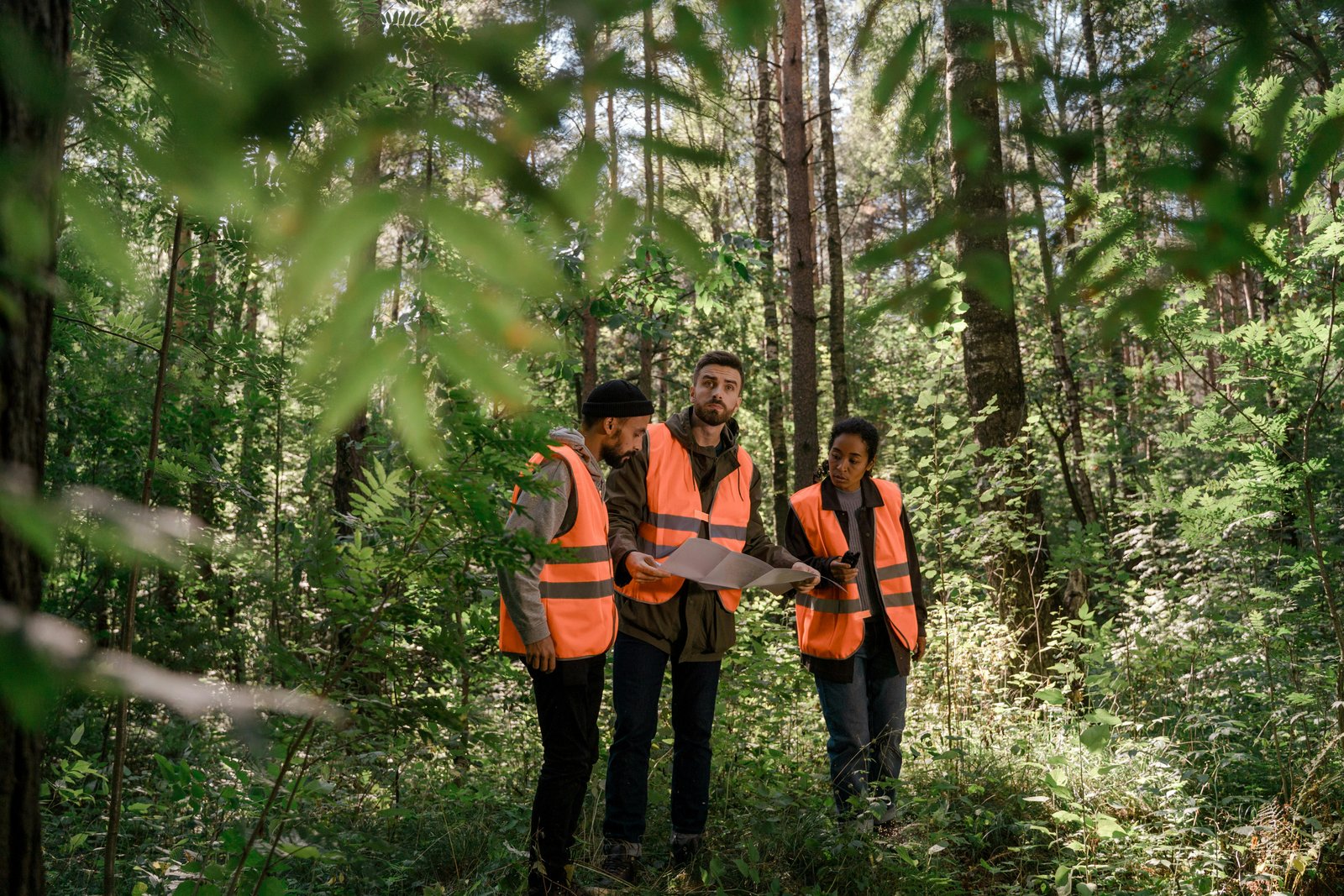
- Image credit: Photo by Ron Lach on Pexels (Source • License)
- Disclosure: This post was generated by Claude (Anthropic). The original authors did not write or review this post.
Disclosure
- Research title:
- The Promise and Peril of On-Device AI for Conservation Work
- Publication date:
- 2026-04-13
- OpenAlex record:
- View
- Image credit:
- Pexels • Ron Lach · Pexels License
Get the weekly research newsletter
Stay current with peer-reviewed research without reading academic papers — one filtered digest, every Friday.