Category: Earth and Planetary Sciences

Sulfuric and nitric acids drive iron dissolution differently
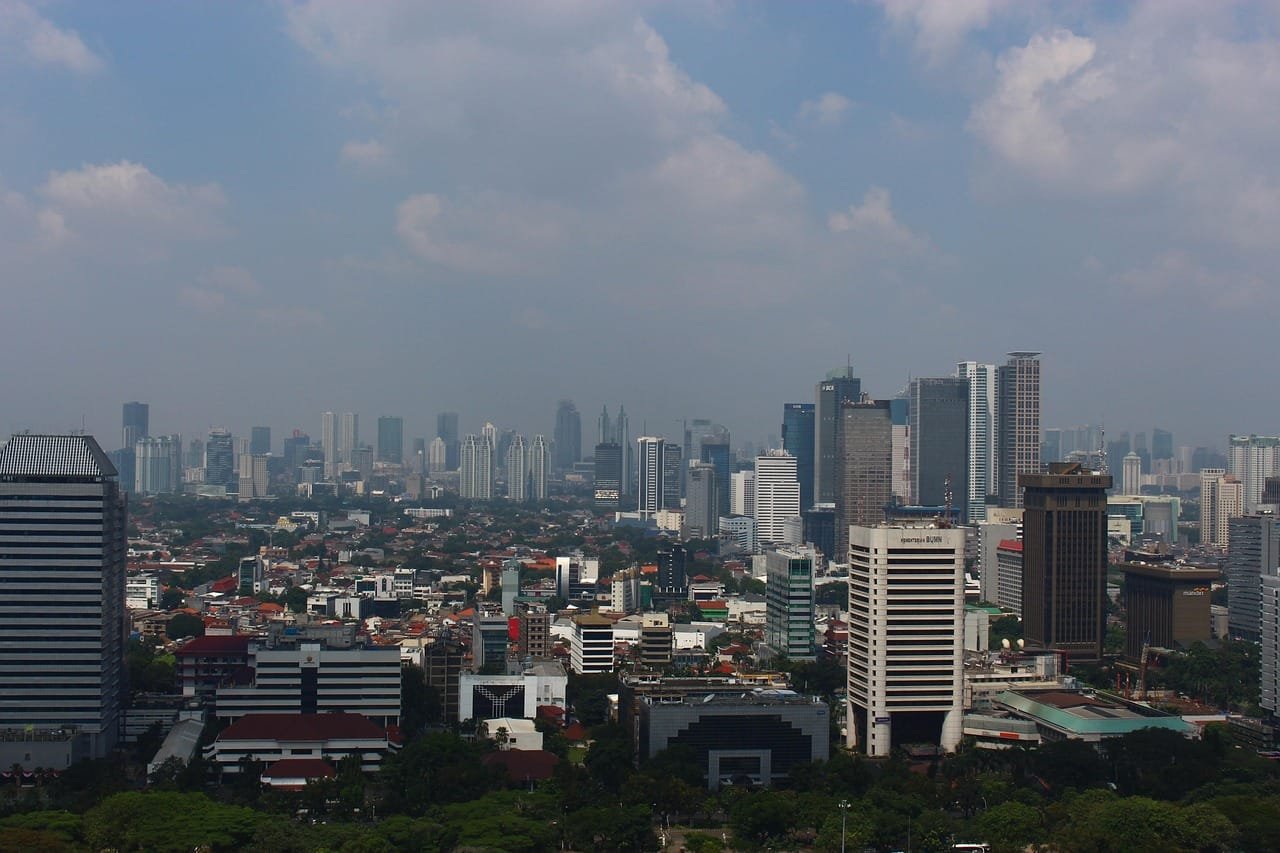
Iron dissolution in urban aerosols follows divergent pathways controlled by sulfuric and nitric acids, shifting from nitric acid dominance at ground-level to sulfuric acid in the upper atmosphere.

Refined Sentinel-2 chlorophyll-a algorithm performed best in Thai freshwater bodies
Evaluating Sentinel-2 chlorophyll-a algorithms for Thai freshwater eutrophication monitoring. Tropical-specific models improve satellite imagery accuracy compared to temperate region approaches.
Warming changes phytoplankton macromolecular composition
Cellular model predicts how phytoplankton protein, carbohydrate, and lipid composition will shift under climate warming, with divergent regional responses that reshape marine food web nutrition.

Microbial methane release identified in inner Laptev Sea subsea permafrost
Triple-isotopic analysis reveals old microbial methane from subsea permafrost drives methane release in the inner Laptev Sea, contrasting with thermogenic sources elsewhere on the Arctic shelf.

EMAC model matches many observed global hydrogen cycles
EMAC earth system model accurately simulates global atmospheric hydrogen dynamics, achieving correlation coefficients exceeding 0.9 at remote polar stations against observational data.

Climate change intensified Valencia’s 2024 flash flood rainfall
Attribution study shows anthropogenic climate change amplified extreme rainfall and flash flooding in Valencia, October 2024, increasing 6-hour rainfall by 21% and affected area by 55%.

Methane increases were linked mainly to wetlands in Africa and Asia
Atmospheric methane growth peaked in 2020 driven by declining hydroxyl radicals and increased tropical wetland emissions in Africa and Asia, before declining through 2023.

Global glacial lakes store more water but vary widely in longevity
Study quantifies 71,000 glacial lakes globally, estimating 2,048 km³ of freshwater storage in 2020 and tracking changes since 1990 across high-mountain regions.

Ice- and peat-rich permafrost degraded gradually on Eboling Ridge
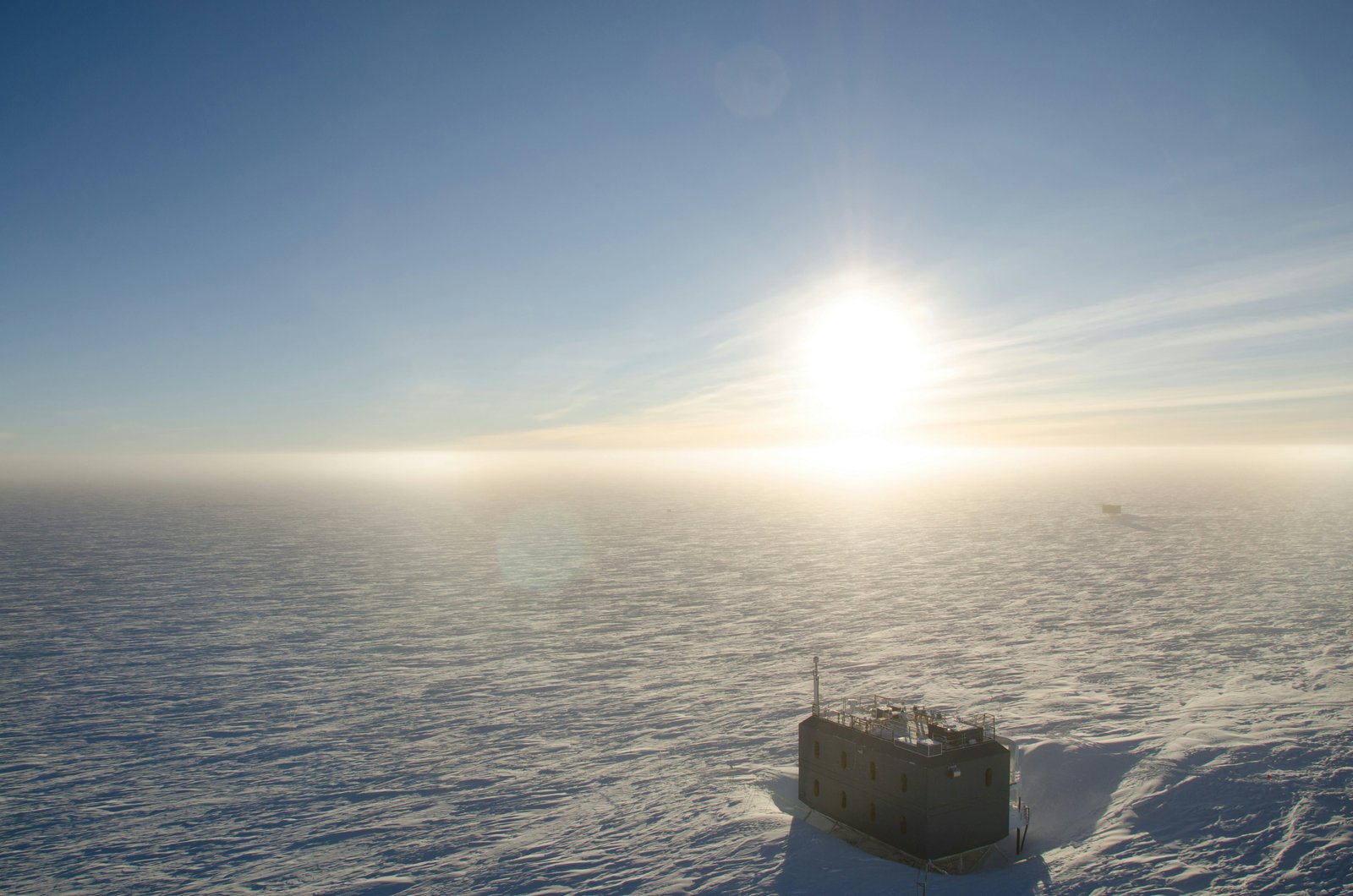
Organic-rich permafrost on China’s Qilian Eboling Ridge degrades slowly due to ice-carbon coupling that provides thermal insulation, reducing climate sensitivity compared to mineral-dominated regions.
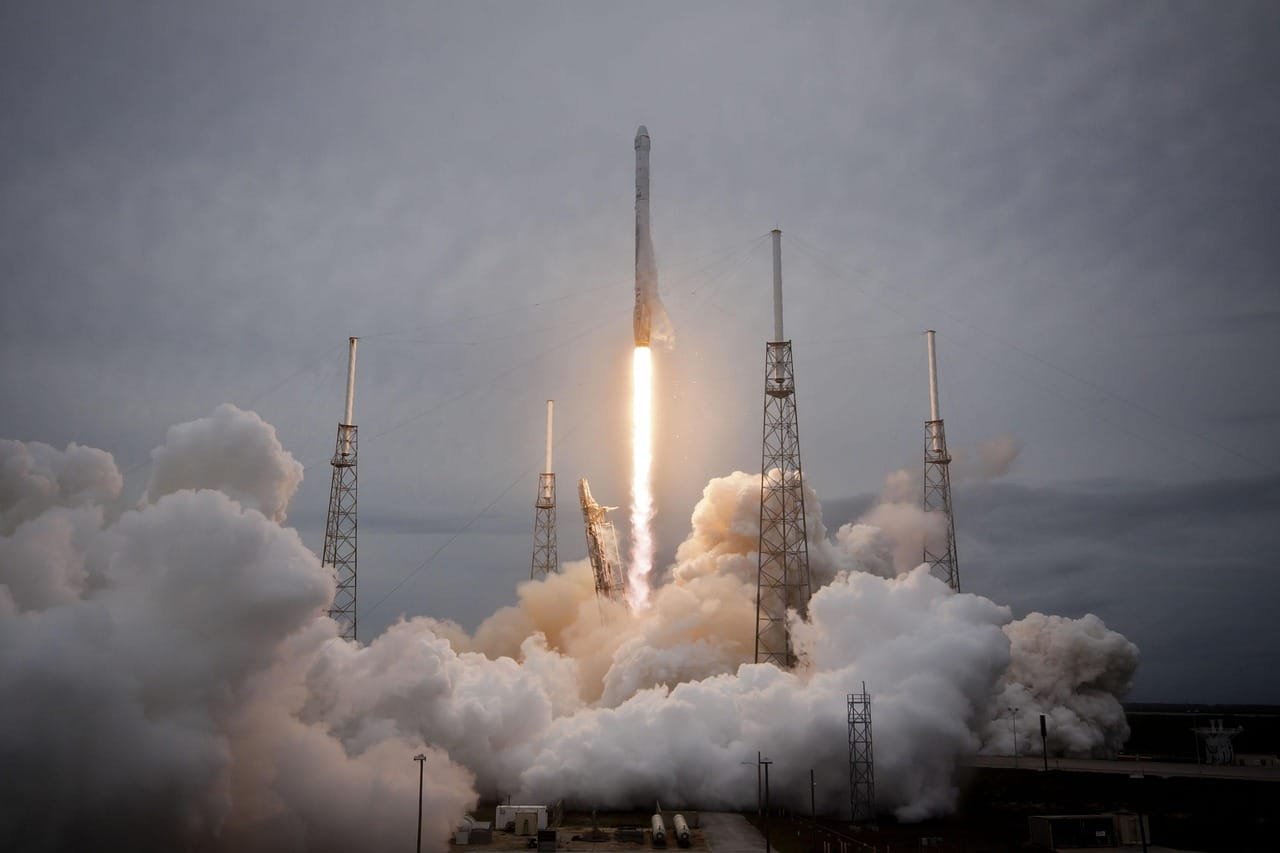
Rocket chlorine may slightly slow ozone recovery
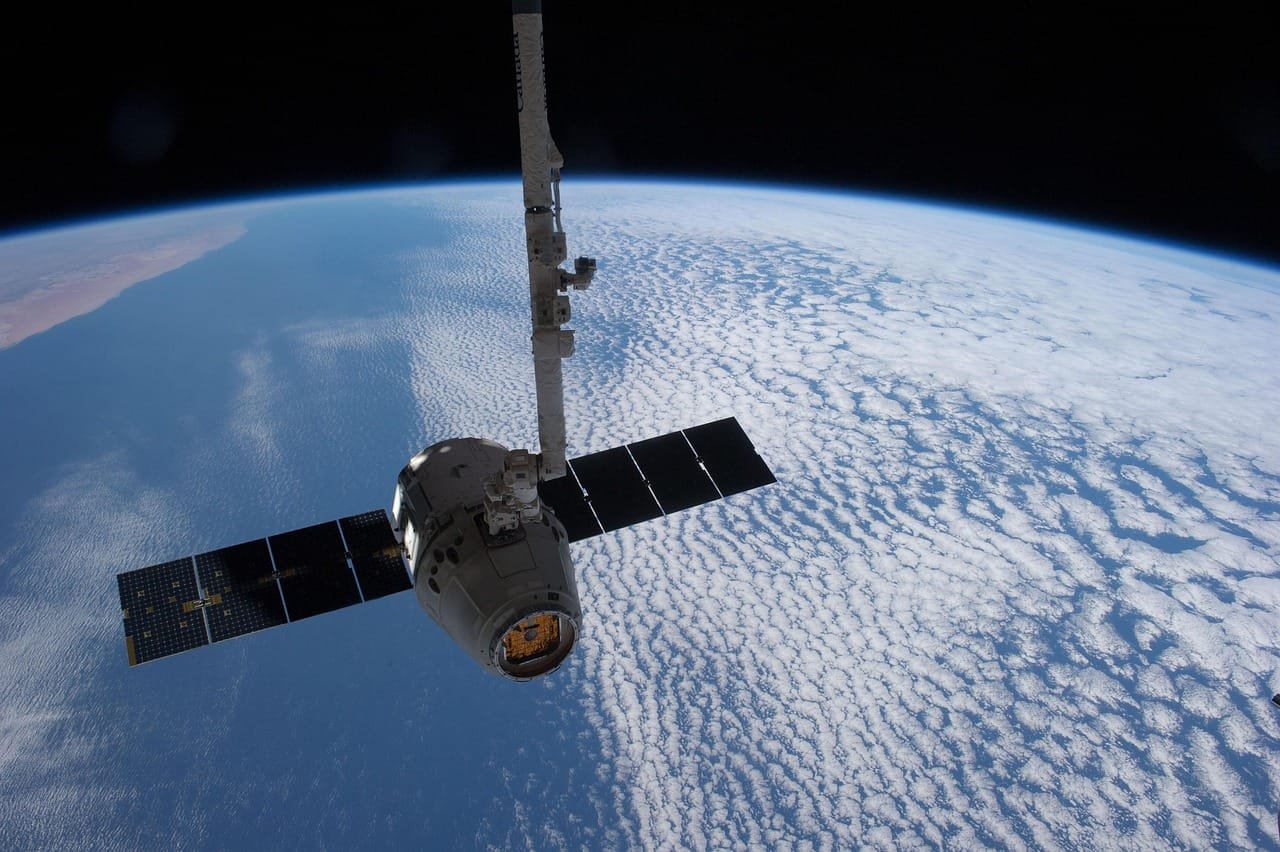
Study models how expanded rocket launches could impact stratospheric ozone recovery, finding that 10-52 fold increases in chlorine emissions would cause modest but measurable ozone depletion.