

What the study found
Old microbial methane is being released from preformed methane pools stored within the subsea permafrost system in the inner Laptev Sea. The study also indicates that several sources contribute to the elevated methane on the shelf.
Why the authors say this matters
The authors conclude that future methane emissions from the East Siberian Arctic Shelf need to account for a diversity of methane sources. The findings indicate this is important for estimating future methane release trajectories.
What the researchers tested
The researchers analyzed dissolved methane concentrations, triple-isotopic fingerprinting, and Bayesian Markov Chain Monte Carlo statistics. They used methane samples collected during four expeditions from 2016 to 2020 in the shallow water column above subsea permafrost in the inner Laptev Sea.
What worked and what didn't
The combined analyses pointed to old microbial methane with a radiocarbon age greater than 48,000 years before present. In contrast to earlier findings in the outer Laptev Sea, the results for the inner Laptev Sea suggest release from preformed methane pools within subsea permafrost, rather than predominantly thermogenic methane release.
What to keep in mind
The abstract does not describe detailed limitations. It also focuses on the inner Laptev Sea, so the findings are specific to that major methane release region and should not be taken as a full description of the entire shelf.
Key points
- Methane in the inner Laptev Sea is reported to come from old microbial sources.
- The methane appears to be released from preformed pools within subsea permafrost.
- The study used dissolved methane measurements, triple-isotopic fingerprinting, and Bayesian statistics.
- Samples were collected during four expeditions between 2016 and 2020.
- The abstract says several sources contribute to elevated methane on the shelf.
Disclosure
- Research title:
- Microbial methane release identified in inner Laptev Sea subsea permafrost
- Publication date:
- 2026-01-30
- OpenAlex record:
- View
- Image credit:
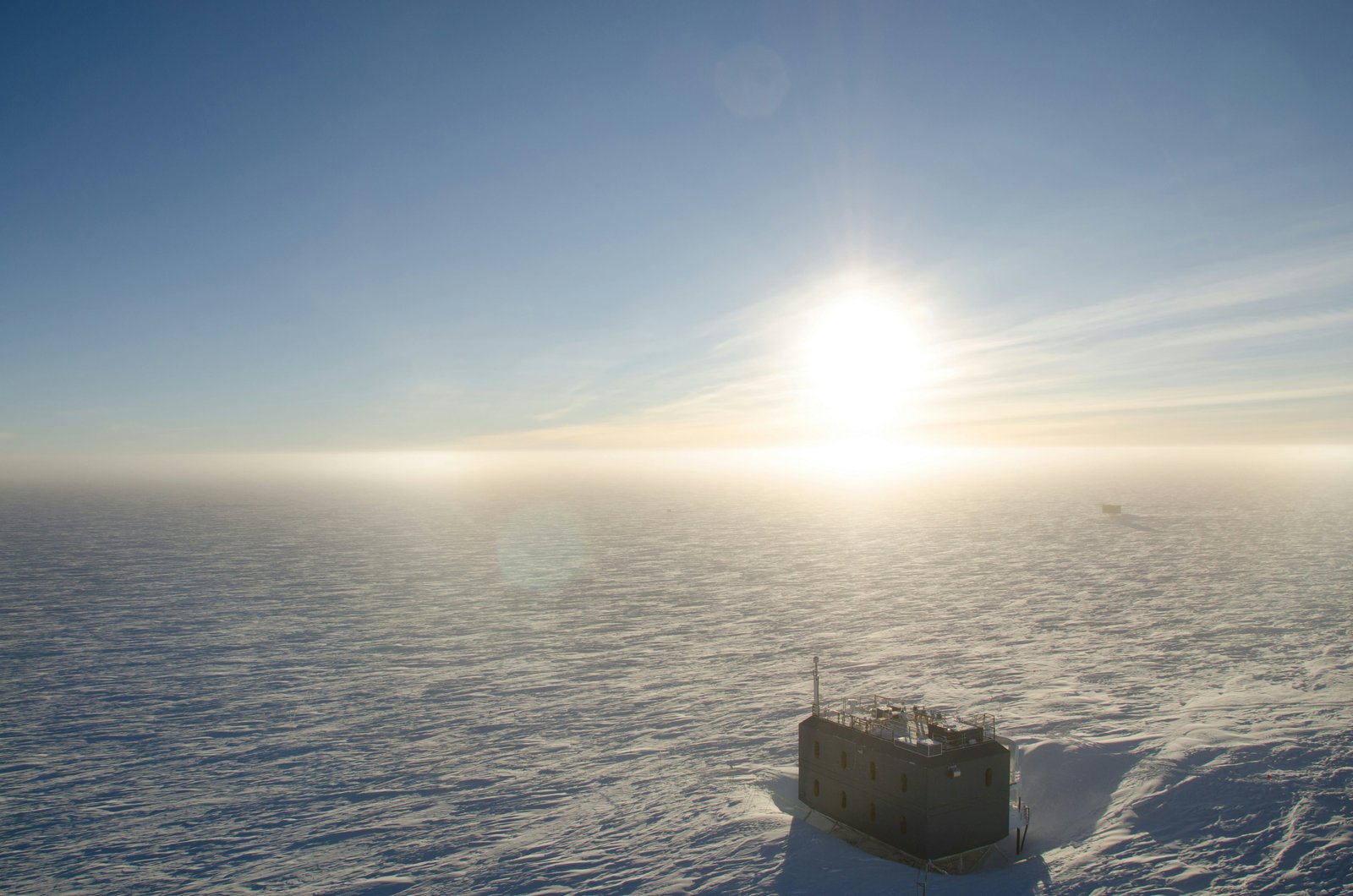
- Photo by NOAA on Unsplash · Unsplash License
Get the weekly research newsletter
Stay current with peer-reviewed research without reading academic papers — one filtered digest, every Friday.