

AI Summary of Peer-Reviewed Research
This page presents an AI-generated summary of a published research paper. The original authors did not write or review this article. See full disclosure ↓
⚠️ This article summarizes published research and is intended for informational purposes only. It does not constitute medical advice or clinical guidance.
Publication Signals show what we were able to verify about where this research was published.MODERATECore publication signals for this source were verified. Publication Signals reflect the source’s verifiable credentials, not the quality of the research.
- ✔ Peer-reviewed source
- ✔ Published in indexed journal
- ✔ No retraction or integrity flags
Overview
Migrant children and adolescents diagnosed with cancer experience communication deficits stemming from medical provider uncertainty in intercultural clinical encounters. This research addresses the need for structured communication training programs targeting paediatric oncologists to improve their capacity for migrant-sensitive interactions and reduce barriers to effective clinical communication.
Methods and approach
The study involved the development of a multimodal skills training program in migrant-sensitive communication designed for paediatric oncologists. The training incorporated multiple modalities to address both technical communication competencies and attitudinal dimensions necessary for managing intercultural medical encounters with migrant populations.
Key Findings
The multimodal training program was developed to equip paediatric oncologists with competencies for navigating communication challenges inherent in treating migrant children with cancer. The program addresses both systemic communication barriers and provider-level factors contributing to intercultural miscommunication in oncological care settings.
Implications
Structured communication training integrated into specialised medical education represents an evidence-based approach to reducing disparities in care delivery for migrant populations with serious illness. Implementation of migrant-sensitive communication curricula within paediatric oncology training may improve clinical outcomes and quality of care delivery across culturally diverse patient populations. The identification of communication deficits as a modifiable factor through targeted training supports the development of institutional approaches to addressing healthcare inequities.
Disclosure
- Research title: Talking to migrant children and adolescents with cancer: development of a multimodal skills training in migrant-sensitive communication for paediatric oncologists
- Authors: Anne Oommen-Halbach, Vasilija Rolfes, Dilara A. F. Vossberg, Julia von Schreitter, Paula Merten, André Karger, Kuss Oliver, Maren Galushko, Lars Dinkelbach, Ortrun Kliche, Heiner Fangerau, Arndt Borkhardt
- Institutions: Deutsches Diabetes-Zentrum e.V., Düsseldorf University Hospital, Heinrich Heine University Düsseldorf, University Hospital Cologne, University of Duisburg-Essen
- Publication date: 2026-03-07
- DOI: https://doi.org/10.1007/s00431-026-06787-9
- OpenAlex record: View
- PDF: Download
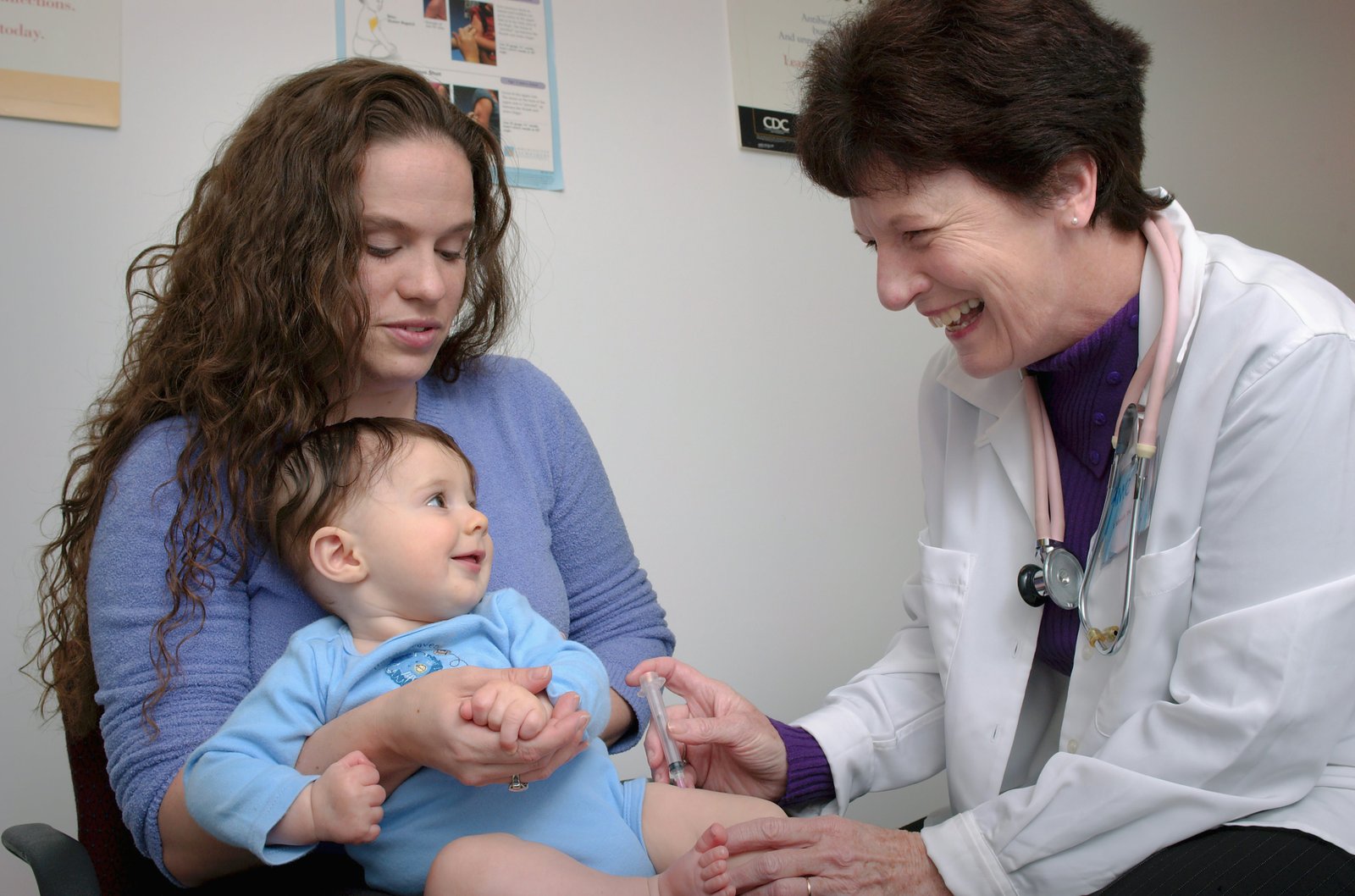
- Image credit: Photo by CDC on Unsplash (Source • License)
- Disclosure: This post was generated by Claude (Anthropic). The original authors did not write or review this post.
Get the weekly research newsletter
Stay current with peer-reviewed research without reading academic papers — one filtered digest, every Friday.