Tag: Wildlife Ecology and Conservation
Incidental possum predation can raise extinction risk
—
in EcologyWhat the study found Arboreal herbivores such as the Common Brushtail Possum can act as incidental predators of bird eggs. In this study, possums did not show evidence of seeking out nests using odour or of individual specialisation. Why the authors say this matters The authors conclude that even low rates of incidental predation by…

Dingo-exposed wombats showed stronger scent investigation
—
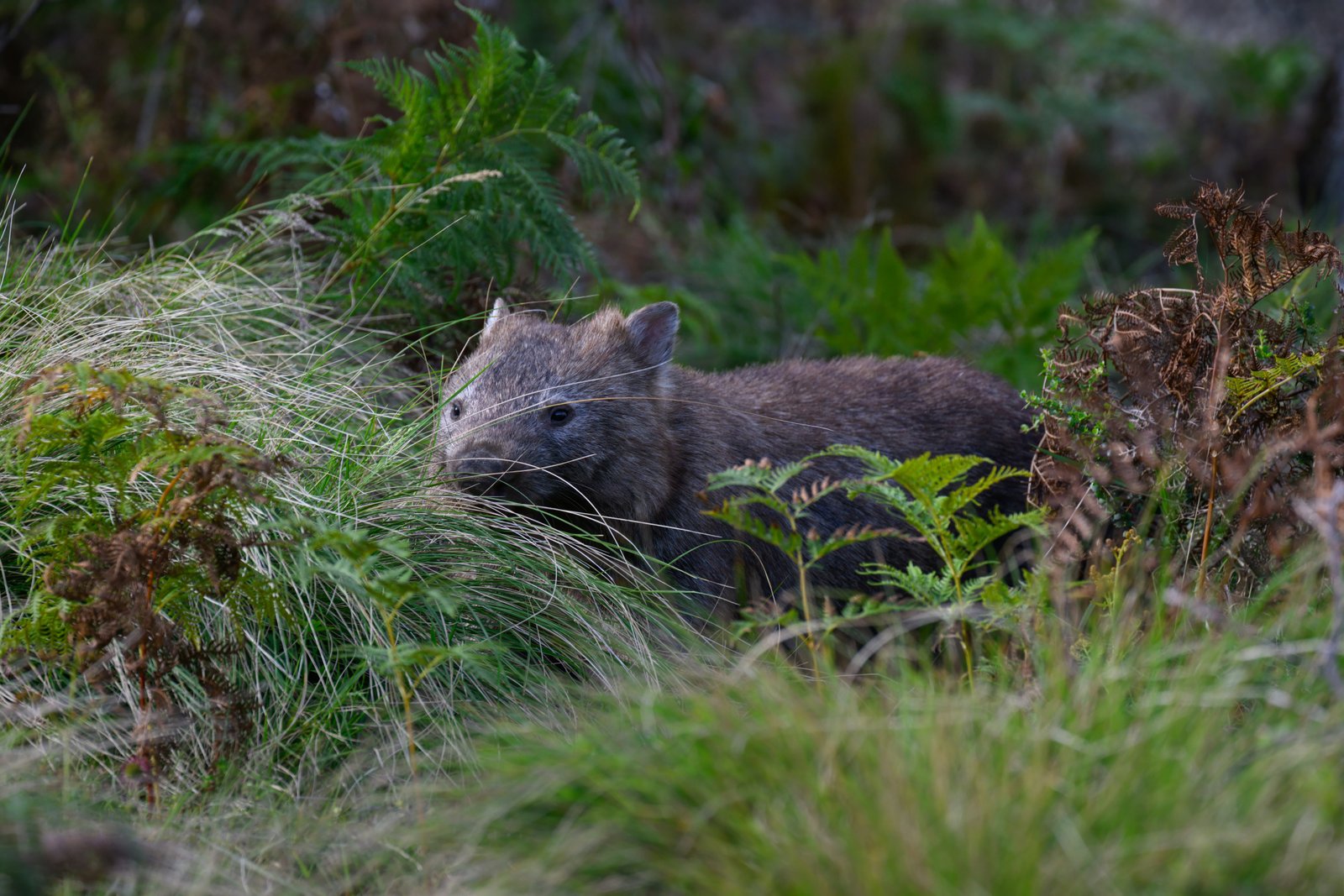
in EcologyStudy examines whether wombats isolated from dingoes for 80 years have lost predator recognition, finding they retain discrimination but show reduced environmental vigilance.

Two enzyme assays validated for stress monitoring in rehabilitated pangolins
—
in VeterinaryEnzyme immunoassays validate non-invasive stress monitoring in rehabilitated Temminck’s pangolins using fecal glucocorticoid metabolites, revealing handling-induced stress responses and improving.

Thermal imaging did not raise aerial culling rates overall
—
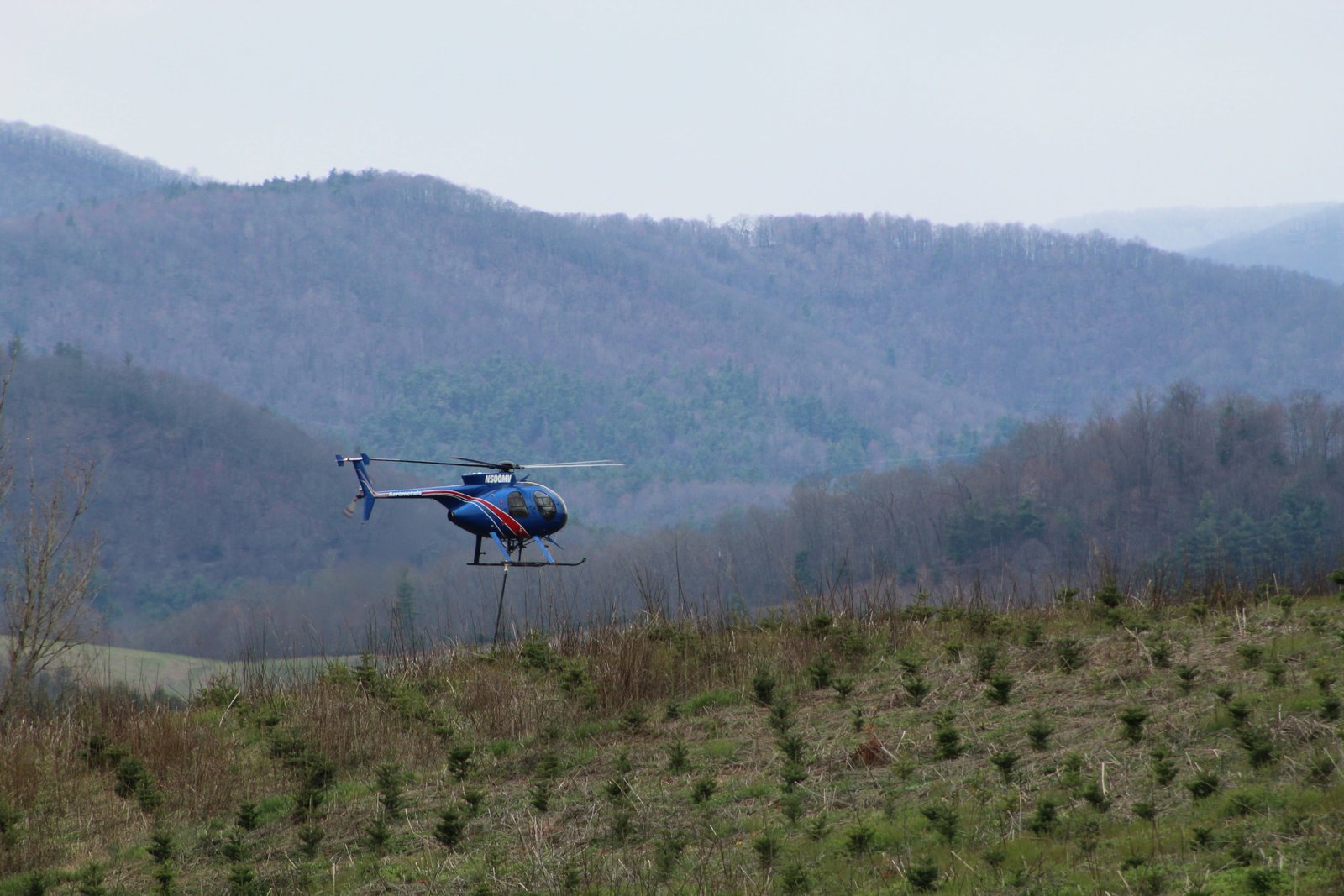
in EcologyStudy compares thermal camera versus visual detection in aerial culling of feral deer and pigs in tropical Queensland, finding no significant efficiency gains under tested conditions.

Harvest levels may prevent red fox growth, but not decline
—
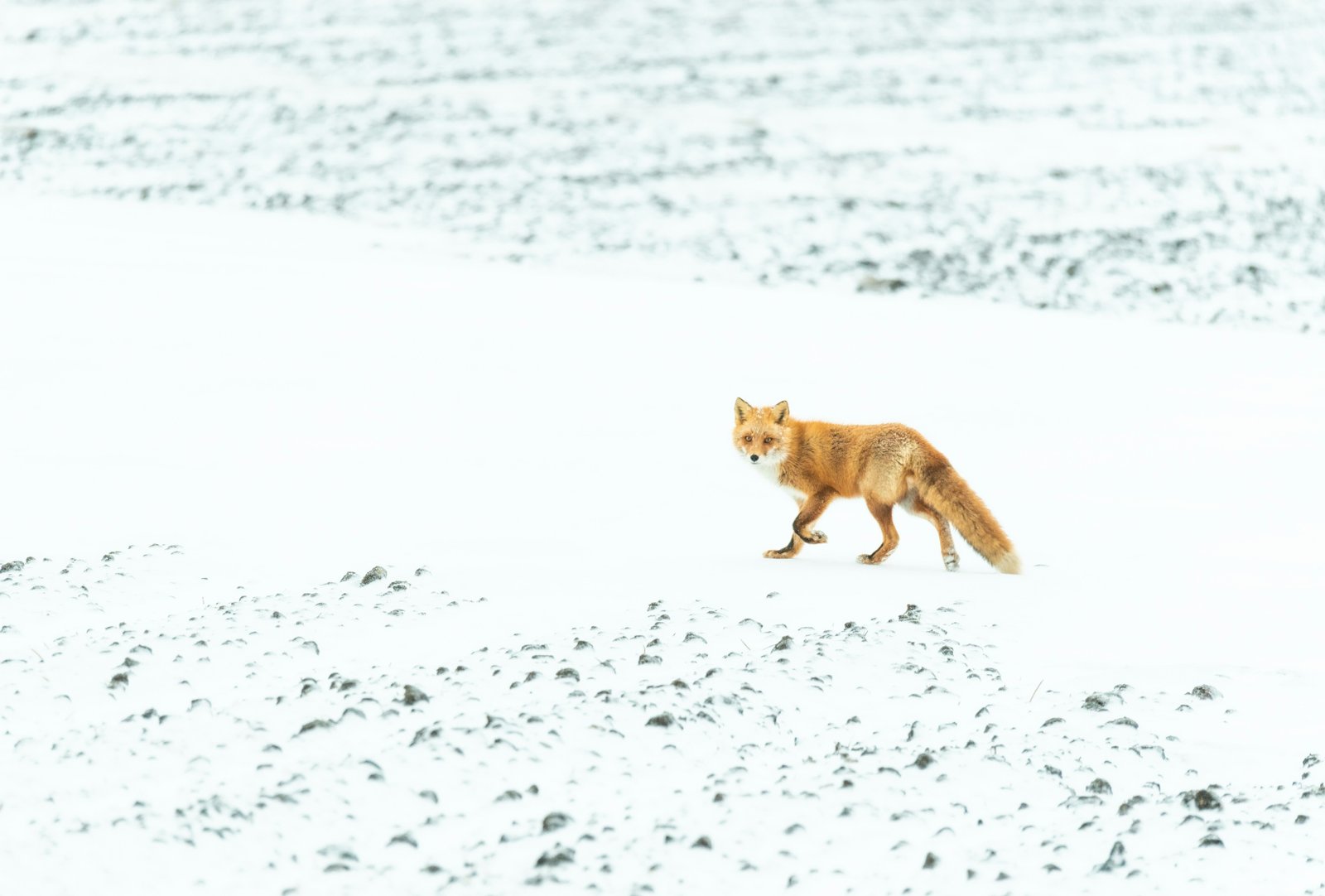
in EcologyIntegrated population modeling of red foxes shows harvest alone cannot suppress populations when compensatory immigration buffers mortality, with implications for mesopredator management.

Long-nosed potoroo faces different conservation statuses across landscapes
—
in EcologyLong-nosed potoroo conservation varies by landscape in Victoria, facing threats from invasive predators, fire, and climate change. Strategic management combining habitat protection and predator.

Animal culture may merit conservation because it matters to animals
Examining how animal cultures reshape conservation goals and why protecting them requires centering animals’ own interests in agency and cultural self-determination.

Epicormic foliage chemistry varies after fire
—
in EcologyPost-fire epicormic eucalypt foliage exhibits species-dependent chemical composition affecting folivore nutritional access during forest recovery in southeastern Australia.

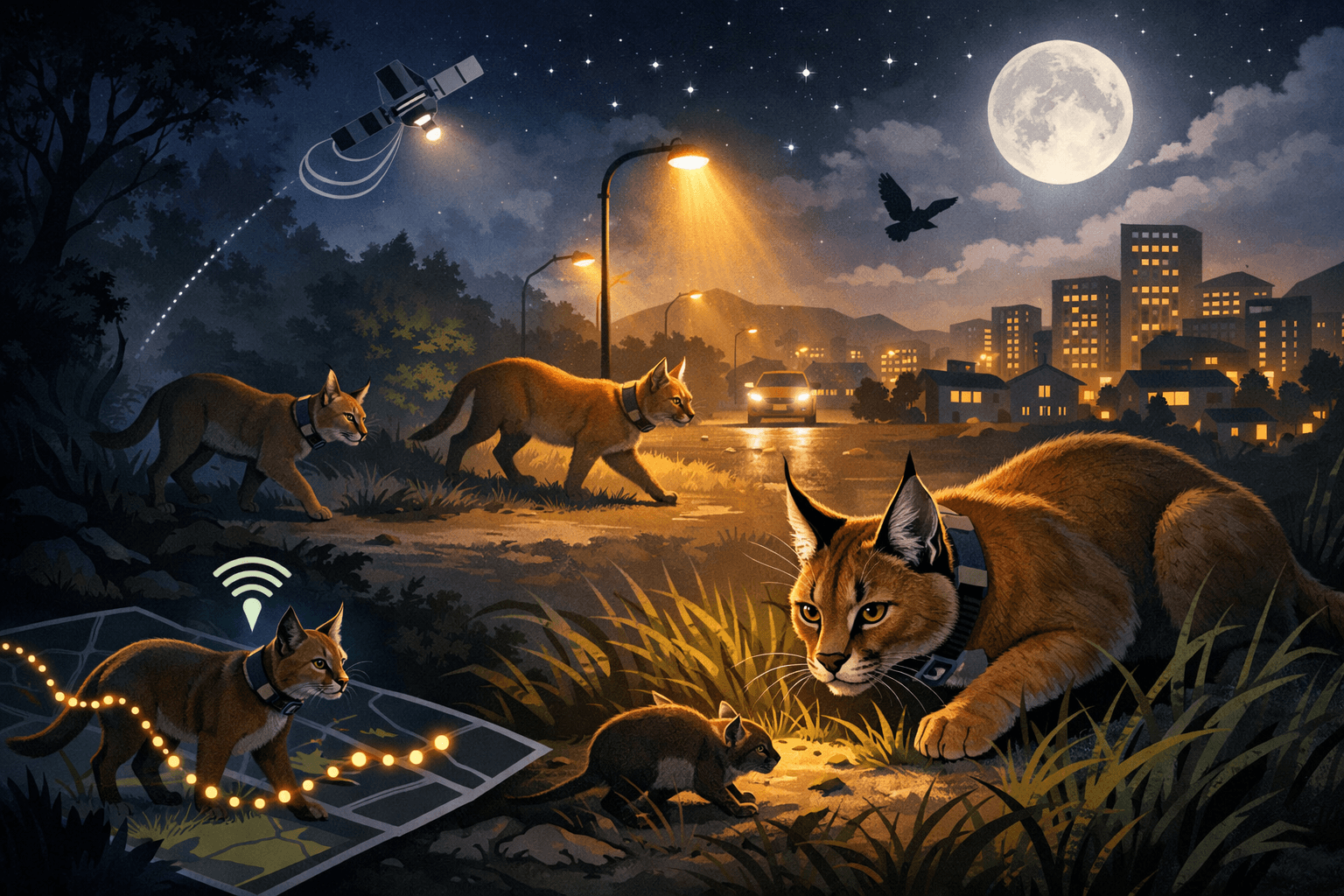
Artificial light at night altered caracal movement and foraging
—
in EcologyGPS collar study investigating artificial light at night effects on caracal movement, habitat selection, and foraging behavior across age classes in urban-adjacent landscapes.

Human disturbance changes predator-prey overlap only in some body size pairs
—
in EcologyMeta-analysis of 480 predator-prey dyads reveals human disturbance restructures temporal niche partitioning according to body mass ratios, with differential consequences for large and small species.