Tag: Wildlife Ecology and Conservation

Mammal and bird ranges may shift uphill in the Altai Mountains
—
in EcologyClimate change threatens mammal and bird distributions in the Altai Mountains. MaxEnt modeling reveals habitat loss and range shifts toward higher elevations, with human activities and snow cover.

Carcass detection varies by surveyor type, size, and ground cover
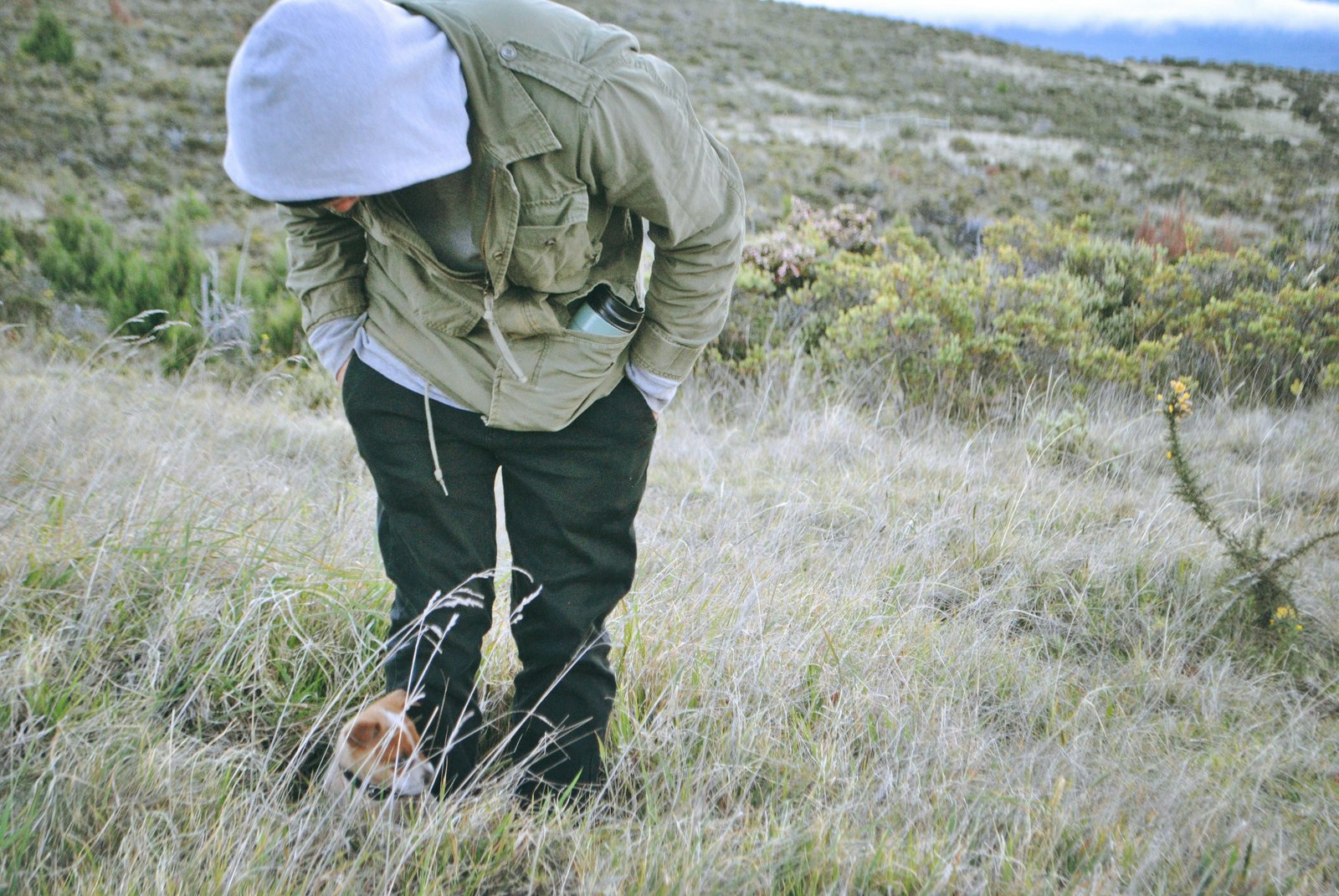
Experimental comparison of avian carcass detection by human surveyors and conservation dog reveals higher canine detection probability influenced by carcass size and substrate complexity.

A highway affected occupancy in one mammal species, but not all
—
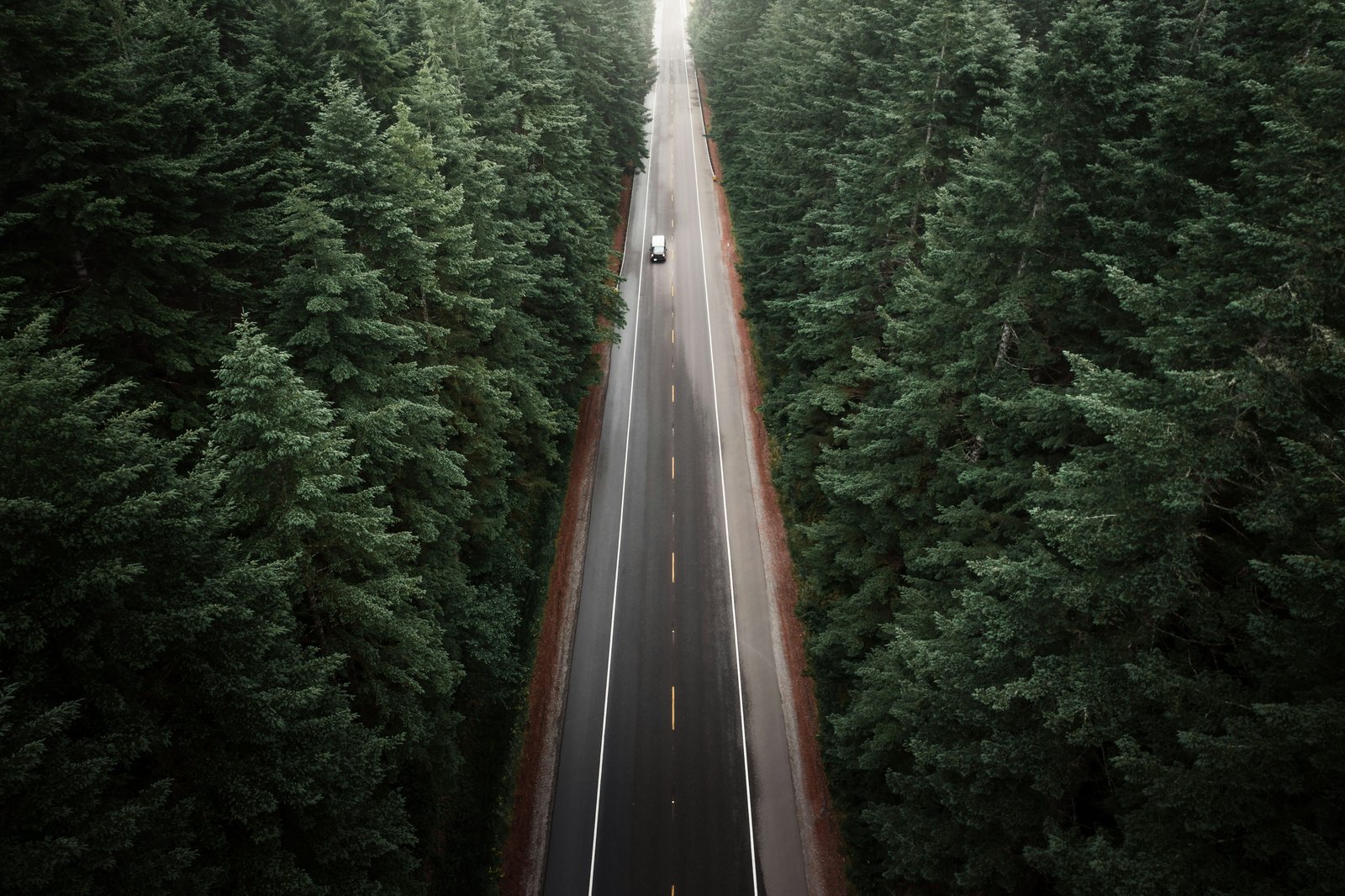
in EcologyStudy examining highway impacts on eight medium-sized mammal species in an Australian conservation reserve using camera-trapping and occupancy modeling reveals species-specific responses to road.

European hedgehogs hear a broad ultrasonic range
—
in AnatomyStudy of European hedgehog hearing and ear anatomy reveals peak sensitivity at 40 kHz and ultrasonic perception up to 85 kHz, with implications for developing acoustic deterrents to reduce road.

Wildlife crossing sites can be ranked across road networks
—
in EcologyMulti-species framework for prioritizing wildlife crossing structure locations across regional road networks using habitat modeling and connectivity analysis, demonstrated across 6,992 km in Israel.

Woodland dormice favored connected, dense riverine forest areas
—
in EcologyMicrohabitat selection and vegetation structure utilization by Graphiurus murinus in a riverine Combretum forest, assessed through capture-mark-recapture and statistical modeling.

Muzzle-pattern biometrics identified harvested red deer accurately
Automated animal biometrics using muzzle pattern analysis achieves 95% accuracy for red deer identification, enabling verifiable harvest documentation and improved ungulate population management.

Panthers relied heavily on domestic livestock in winter and summer
—
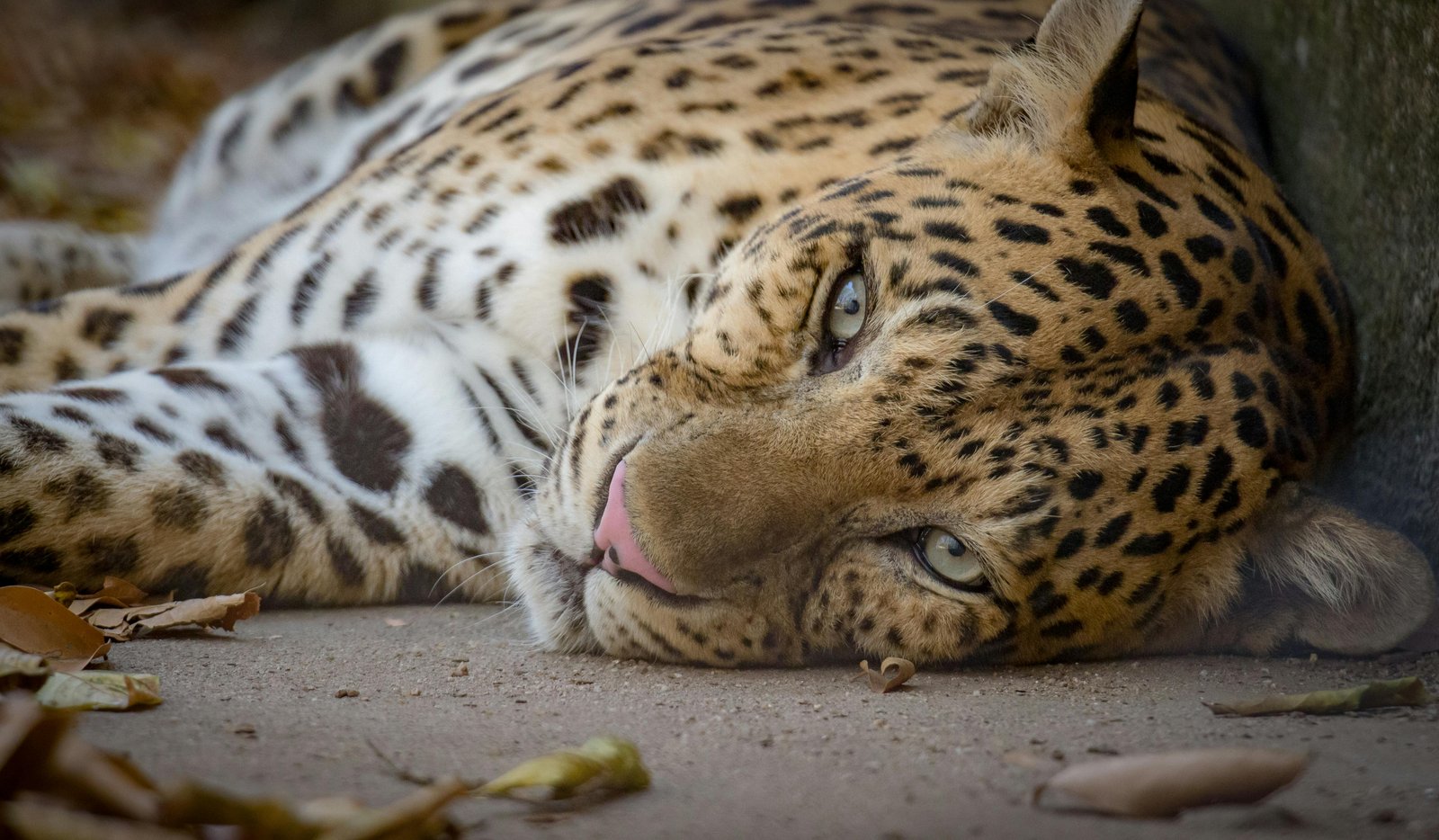
in ZoologyScatological analysis of Indian leopard diet in Aravalli Hills reveals seasonal hunting patterns and increased domestic livestock predation, indicating prey-base depletion in fragmented landscapes.

Forest degradation reduces scavenger diversity but not carrion removal
—
in EcologyForest degradation alters vertebrate scavenger assemblages in neotropical dry forests, replacing specialized species with generalists like the Sechuran fox, reducing biodiversity while maintaining.