

AI Summary of Peer-Reviewed Research
This page presents an AI-generated summary of a published research paper. The original authors did not write or review this article. See full disclosure ↓
⚠️ This article summarizes published research and is intended for informational purposes only. It does not constitute medical advice or clinical guidance.
Publication Signals show what we were able to verify about where this research was published.MODERATECore publication signals for this source were verified. Publication Signals reflect the source’s verifiable credentials, not the quality of the research.
- ✔ Peer-reviewed source
- ✔ No retraction or integrity flags
Key findings from this study
This research indicates that:
- Molecular testing substantially improves pathogen identification in pediatric intracranial abscesses compared to conventional diagnostic methods.
- Radiologic structural sequelae are common following abscess resolution, but their prognostic significance remains unestablished.
- Current antimicrobial management strategies lack standardization, necessitating development of evidence-based pediatric protocols.
Overview
Pediatric intracranial abscesses present management challenges across antimicrobial therapy, diagnostic methods, and radiologic monitoring. Current clinical practice demonstrates marked heterogeneity in treatment approaches. This tertiary care analysis examined antimicrobial stewardship, molecular diagnostic performance, and imaging-detected structural sequelae in pediatric patients with intracranial abscesses.
Methods and approach
The study reviewed pediatric cases of intracranial abscess managed at a tertiary care institution. Investigators assessed antimicrobial treatment strategies, diagnostic yield from molecular testing compared to conventional methods, and radiologic findings on follow-up imaging. The analysis characterized pathogen identification rates and structural sequelae prevalence across the patient cohort.
Results
Molecular testing substantially enhanced pathogen identification and diagnostic yield relative to conventional diagnostic approaches. The cohort exhibited radiologic evidence of structural sequelae following abscess resolution, though the prognostic implications of these imaging findings remained unclear. Treatment strategies varied substantially across cases, reflecting the absence of standardized pediatric protocols for managing intracranial abscesses in this population.
Implications
Standardized pediatric protocols for intracranial abscess management would improve antimicrobial stewardship and reduce unnecessary prolonged intravenous therapy. Prospective studies are required to identify candidates who can safely transition to shorter intravenous courses without compromising outcomes. Harmonized follow-up imaging protocols would establish the clinical significance of detected structural sequelae and guide long-term management strategies.
Scope and limitations
This summary is based on the study abstract and available metadata. It does not include a full analysis of the complete paper, supplementary materials, or underlying datasets unless explicitly stated. Findings should be interpreted in the context of the original publication.
Disclosure
- Research title: Pediatric Intracranial Abscesses in a Tertiary Care Center: Antimicrobial Management, Diagnostic Yield of Molecular Testing and Radiologic Follow-Up
- Authors: Roberto Privato, Federica Attaianese, Carlotta Montagnani, Agnese Tamborino, Elena Chiappini, Francesco Nieddu, Maria Moriondo, Angelo Galano, Flavio Giordano, Federico Mussa, Giuseppe Indolfi, Sandra Trapani
- Institutions: Istituti di Ricovero e Cura a Carattere Scientifico, Meyer Children's Hospital, University of Florence
- Publication date: 2026-04-06
- DOI: https://doi.org/10.1097/inf.0000000000005240
- OpenAlex record: View
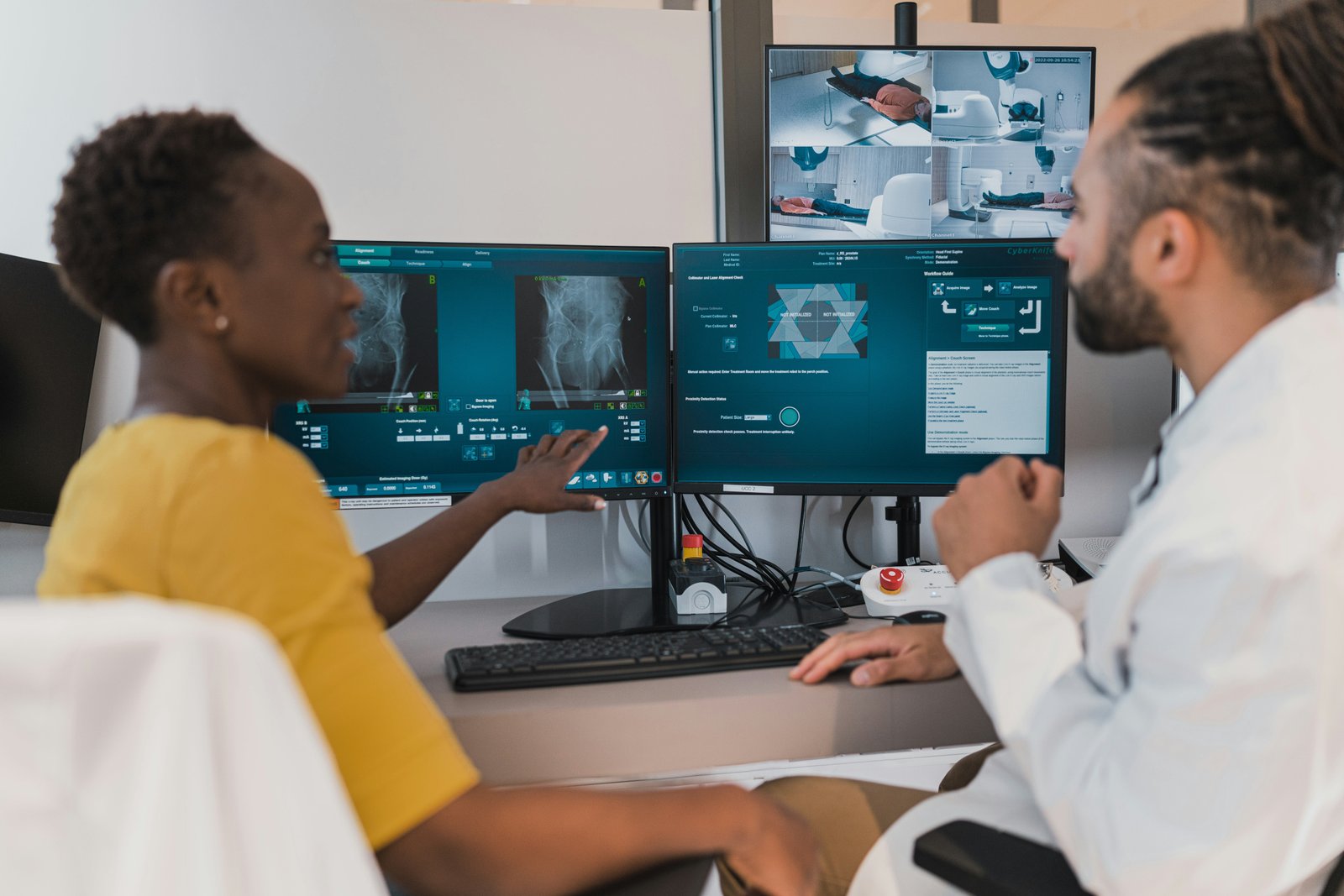
- Image credit: Photo by Accuray on Unsplash (Source • License)
- Disclosure: This post was generated by Claude (Anthropic). The original authors did not write or review this post.
Get the weekly research newsletter
Stay current with peer-reviewed research without reading academic papers — one filtered digest, every Friday.