

What the study found
The study found that partial replacement of sodium chloride (NaCl) with potassium chloride (KCl) changed the microbial community in fermented Nabali Baladi olives. Yeast was the main microorganism, and the study reported no lactic acid bacteria (LAB), which are bacteria commonly involved in fermentation.
Why the authors say this matters
The authors conclude that replacing some NaCl with KCl may reduce the sodium content of fermented olives while improving their functional properties, including antioxidant measures. They also suggest the fermentation process involved newly identified Candida species.
What the researchers tested
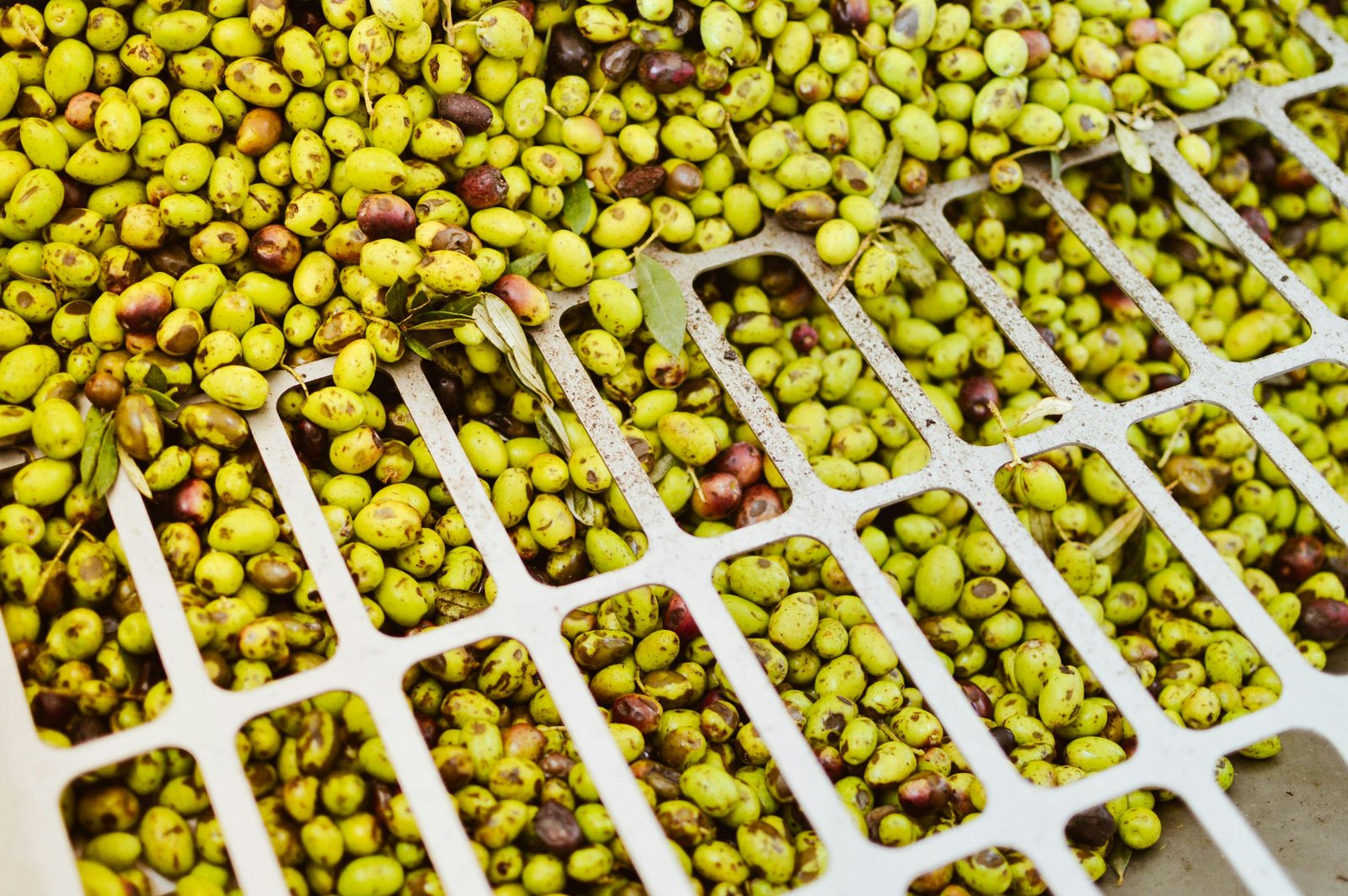
The researchers fermented green Nabali Baladi olives from Jordan using five brine solutions with different NaCl and KCl concentrations. They measured yeast, LAB, and total bacterial counts, identified purified yeast isolates by sequencing the 26S rDNA region, and measured total phenolic content (TPC), total flavonoid content (TFC), and antioxidant activity using DPPH and ABTS+ assays.
What worked and what didn't
Yeast was the predominant microorganism in the fermentations, and LAB were absent. Candida was predominant in 10% NaCl brine, while Saccharomyces was most prevalent in mixed brines or KCl-rich brines. TPC, TFC, and antioxidant activity increased by day 90, with the 5% NaCl + 5% KCl brine showing the most favorable overall results.
What to keep in mind
The summary does not describe limitations beyond the specific olives, brines, and 90-day traditional Jordanian fermentation conditions tested here. The findings are limited to the fermentation setup and measurements reported in the abstract.
Key points
- Yeast was the main microorganism in the olive fermentation, and LAB were not detected.
- Replacing NaCl with KCl increased yeast species diversity in the brines.
- Candida dominated in 10% NaCl brine, while Saccharomyces was more common in mixed or KCl-rich brines.
- Total phenolic content, flavonoid content, and antioxidant activity increased by day 90.
- The 5% NaCl + 5% KCl brine gave the most favorable reported results.
Disclosure
- Research title:
- KCl replacement altered fermentation microbes and increased antioxidant measures
- Authors:
- Ghadeer Othman, Iman F. Mahmoud, Zaher Al-Bashabsheh, Dana A. Alomari, Heba D. Karasneh, Leen N. Ali
- Institutions:
- Al al-Bayt University, Petra University, Petra University, Philadelphia University, Philadelphia University
- Publication date:
- 2026-02-25
- OpenAlex record:
- View
- Image credit:
- Pexels • Chermiti Mohamed · Pexels License
Get the weekly research newsletter
Stay current with peer-reviewed research without reading academic papers — one filtered digest, every Friday.