

AI Summary of Peer-Reviewed Research
This page presents an AI-generated summary of a published research paper. The original authors did not write or review this article. See full disclosure ↓
⚠️ This article summarizes published research and is intended for informational purposes only. It does not constitute medical advice or clinical guidance.
Publication Signals show what we were able to verify about where this research was published.STRONGWe verified multiple publication signals for this source, including independently confirmed credentials. Publication Signals reflect the source’s verifiable credentials, not the quality of the research.
- ✔ Peer-reviewed source
- ✔ Published in indexed journal
- ✔ No retraction or integrity flags
Key findings from this study
This research indicates that:
- Panax ginseng and Polygonum cuspidatum reduced atherosclerotic plaque burden in high-fat diet-fed ApoE−/− mice with efficacy comparable to statin treatment.
- Gut microbiota modulation, particularly alterations in Bifidobacteriales, Bacteroidetes, and Escherichia coli abundance, accompanied atheroprotection from the herb pair.
- Metabolites including 1-methylnicotinamide, dopamine, and lysoPA that increased with high-fat diet were restored to control levels by GP treatment.
- Intestinal barrier integrity markers improved with GP administration, indicating enhanced epithelial tight junction function and goblet cell populations.
- Fecal microbiota from high-dose GP recipients transferred atheroprotection to recipient mice, demonstrating causal microbiota contribution to observed protective effects.
Overview
A Panax ginseng and Polygonum cuspidatum herb pair (GP) attenuated atherosclerotic plaque formation in high-fat diet-induced apolipoprotein E-deficient mice through modification of gut microbiota composition and associated metabolite profiles. The study assessed aortic pathology, lipid metabolism, intestinal barrier integrity, and mechanistic contributions via fecal microbiota transplantation.
Methods and approach
Fifty ApoE−/− mice received high-fat diet and were assigned to model, statin, low-dose GP, medium-dose GP, or high-dose GP groups. Ten wild-type mice on standard chow served as controls. After 12 weeks, researchers collected aortic tissue for Oil Red O staining, colon tissue for Alcian staining and immunofluorescence, and serum for lipid and cytokine measurement. Fecal DNA underwent metagenomic sequencing; cecum and ileocecal valve samples underwent untargeted metabolomics. Fecal microbiota transplantation was performed in twenty additional ApoE−/− mice assigned to receive fecal material from either model or high-dose GP donors.
Results
High-fat diet induced substantial atherosclerotic plaque accumulation in aorta and aortic sinus, while high-dose GP and statin treatment reduced this burden. Total cholesterol, triglycerides, LDL-cholesterol, MCP-1, MCP-3, and IL-2 increased significantly after high-fat feeding; both statin and GP decreased LDL-cholesterol, MCP-1, and MCP-3 levels. Intestinal barrier markers—goblet cells, ZO-1, and Occludin—declined after high-fat feeding but recovered with GP or statin treatment.
Gut microbiota composition shifted under GP treatment, with candidate taxa including Bifidobacteriales, Bacteroidetes, and Escherichia coli showing modulation. Metagenomic analysis identified 22 differentially abundant metabolites across control, model, and GP groups. Nineteen metabolites increased by high-fat diet were reversed by GP treatment, including 1-methylnicotinamide, dopamine, and lysoPA (0:0/18:0).
Fecal microbiota transplantation from high-dose GP recipients conferred atheroprotection in recipient mice. Animals receiving GP-derived microbiota showed reduced aortic plaques, lower lipid and inflammatory cytokine levels, elevated goblet cell counts, increased ZO-1 and Occludin expression, and higher 1-methylnicotinamide levels compared to recipients of model-derived microbiota.
Implications
The findings provide mechanistic evidence supporting traditional use of the Panax ginseng-Polygonum cuspidatum combination in cardiovascular disease prevention. Microbiota-mediated effects represent a plausible pathway by which herbal interventions modulate atherosclerosis progression, distinct from direct lipid-lowering mechanisms alone. This work suggests gut dysbiosis represents a modifiable risk factor in atherosclerotic disease pathogenesis.
Identification of specific bacterial taxa and metabolites altered by GP treatment enables future therapeutic development targeting dysbiosis-associated atherogenesis. The intestinal barrier integrity improvements observed with GP treatment indicate multiple protective mechanisms beyond lipid metabolism. Fecal microbiota transplantation data establish that microbiota compositional changes are sufficient to transmit the protective phenotype, supporting microbiota engineering approaches in cardiovascular disease.
Scope and limitations
This summary is based on the study abstract and available metadata. It does not include a full analysis of the complete paper, supplementary materials, or underlying datasets unless explicitly stated. Findings should be interpreted in the context of the original publication.
Disclosure
- Research title: Panax ginseng—Polygonum cuspidatum is beneficial for alleviating atherosclerosis in ApoE−/− mice by modulating the composition of gut microbiota and related metabolites
- Authors: Y. Claire Wang, Jinyi Fu, Jingyi Zhan, Yuanbin Liang, Ruofan Chen, Linjing Su, Qingbing Zhou, Yaoyao Zhang, Weihong Cong, Fengqin Xu
- Institutions: China Academy of Chinese Medical Sciences, Dongzhimen Hospital Affiliated to Beijing University of Chinese Medicine, State Administration of Traditional Chinese Medicine of the People's Republic of China, Xiyuan Hospital
- Publication date: 2026-04-07
- DOI: https://doi.org/10.3389/fcvm.2026.1773819
- OpenAlex record: View
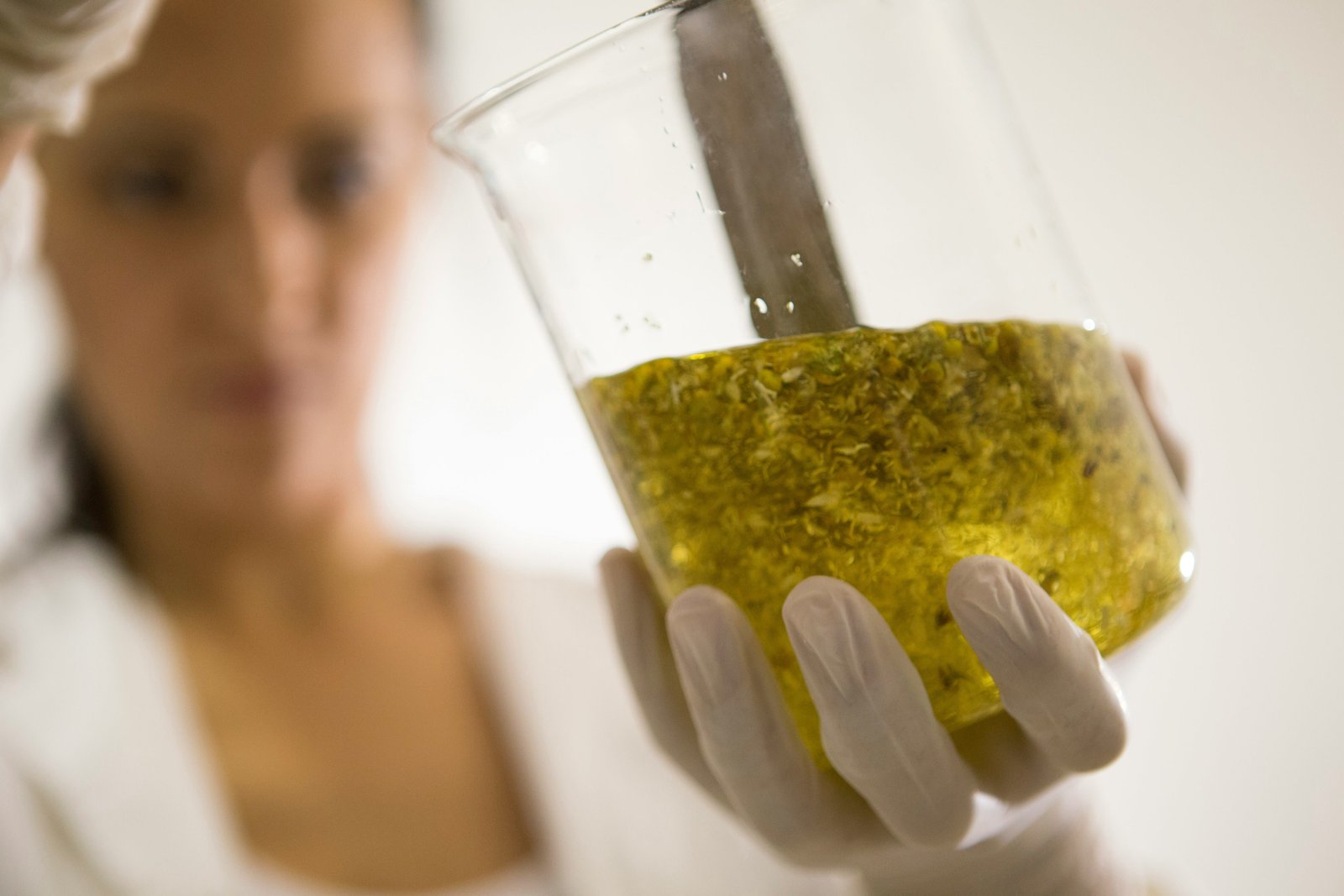
- Image credit: Photo by Bee Naturalles on Unsplash (Source • License)
- Disclosure: This post was generated by Claude (Anthropic). The original authors did not write or review this post.
Get the weekly research newsletter
Stay current with peer-reviewed research without reading academic papers — one filtered digest, every Friday.