

AI Summary of Peer-Reviewed Research
This page presents an AI-generated summary of a published research paper. The original authors did not write or review this article. See full disclosure ↓
Publication Signals show what we were able to verify about where this research was published.STRONGWe verified multiple publication signals for this source, including independently confirmed credentials. Publication Signals reflect the source’s verifiable credentials, not the quality of the research.
- ✔ Peer-reviewed source
- ✔ Published in indexed journal
- ✔ No retraction or integrity flags
Key findings from this study
This research indicates that:
- all reviewed catchment models simulate ecological processes including hydrology, sediment transport, or contaminants, while only three address economics and none explicitly incorporate cultural values
- model development in New Zealand exhibits structural bias toward ecological subsystems, reflecting disciplinary traditions and technical feasibility rather than inherent limitations of social-system modeling
- integrating social dimensions requires methodological innovation beyond incremental model expansion, including economic frameworks and incorporation of indigenous knowledge systems
Overview
Catchment models applied in Aotearoa New Zealand were evaluated for their capacity to simulate climate change effects on social-ecological systems integrating lakes and their surrounding areas. Assessment focused on ecological subsystems (hydrology, sediment transport, contaminants) and social subsystems (economics, cultural values). Ten commonly used catchment models were examined against these criteria.
Methods and approach
A literature review systematically assessed ten catchment models routinely deployed in New Zealand contexts. Assessment criteria encompassed ecological processes (hydrology, sediment transport, contaminants) and social dimensions (economics, cultural values) relevant to lake catchments as integrated social-ecological systems.
Results
All ten reviewed models demonstrated capacity to simulate one or more ecological criteria, reflecting established technical capabilities in hydrology, sediment dynamics, and contaminant fate modeling. Only three models addressed economics within the social system, indicating substantial gaps in social-system representation. None of the models addressed cultural values quantitatively or systematically.
The review reveals a systematic imbalance in model development favoring ecological over social subsystem processes. This disparity reflects disciplinary traditions and technical feasibility constraints within modeling practice. Existing models operate primarily as ecological decision-support tools rather than truly integrated social-ecological platforms.
Trade-offs between model complexity, data requirements, and interpretability constrain broader social integration. Enhanced incorporation of social dimensions requires methodological innovation and cross-disciplinary collaboration rather than incremental model expansion alone.
Implications
Current modeling capacity in New Zealand limits the scope of climate change impact assessments on integrated catchment systems. Management decisions relying on these models may overlook significant social dimensions including economic restructuring, cultural practice adaptation, and distributional equity concerns. Enhanced model development addressing social subsystems could improve decision support for adaptive management of coupled human-natural systems.
Advancing integrated modeling requires deliberate incorporation of economic valuation frameworks and cultural knowledge systems. This development demands collaboration between natural scientists, economists, and indigenous knowledge holders to establish appropriate assessment criteria and validation approaches. Investment in social-ecological model development offers a pathway toward more comprehensive management strategies responsive to climate change across both ecological and societal dimensions.
Scope and limitations
This summary is based on the study abstract and available metadata. It does not include a full analysis of the complete paper, supplementary materials, or underlying datasets unless explicitly stated. Findings should be interpreted in the context of the original publication.
Disclosure
- Research title: Literature Review of Catchment Models in Aotearoa New Zealand for Ecological and Social Climate Change Effects
- Authors: Margaret Armstrong, Deniz Özkundakci
- Institutions: University of Waikato
- Publication date: 2026-04-06
- DOI: https://doi.org/10.1002/nzm2.70031
- OpenAlex record: View
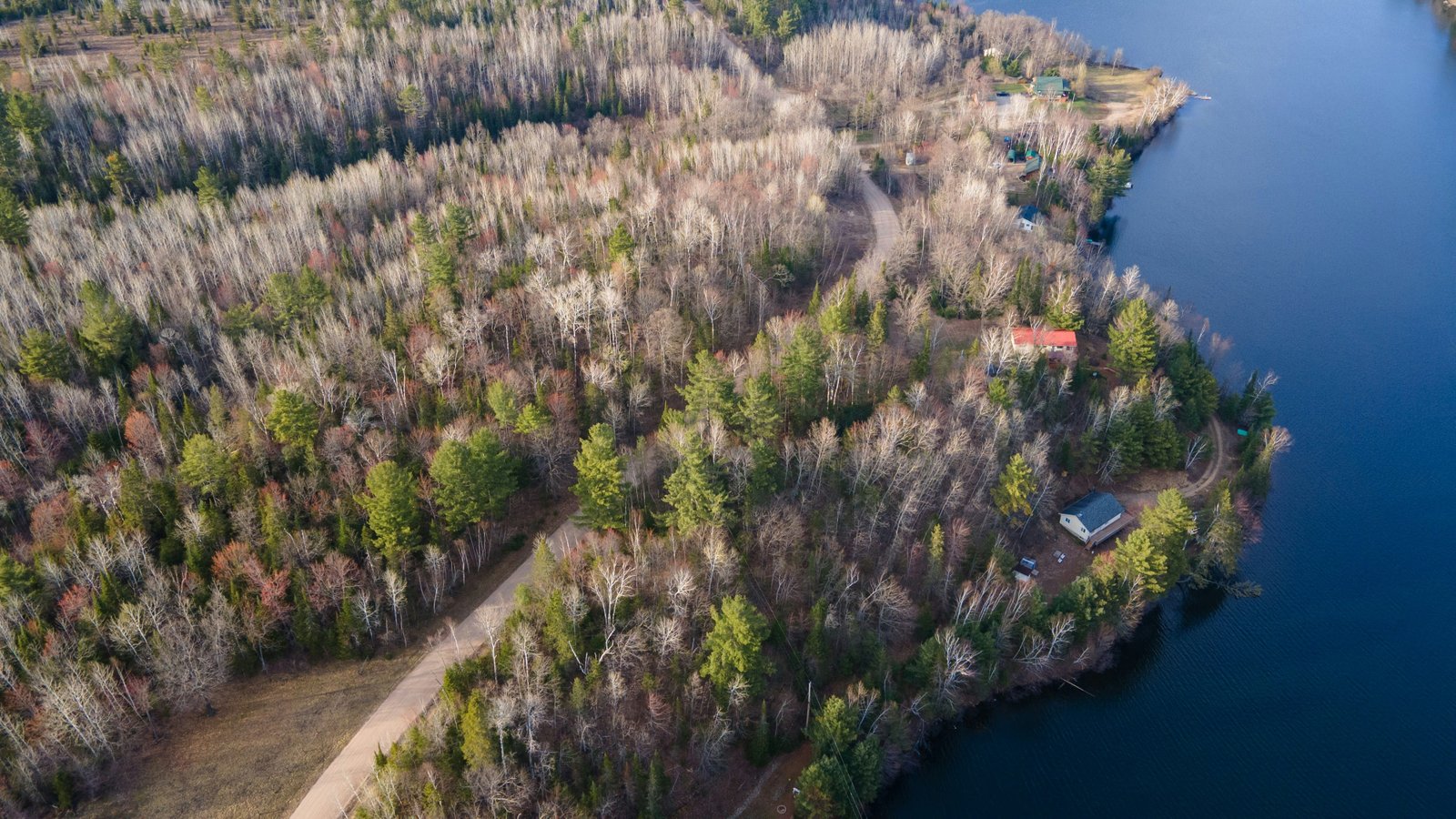
- Image credit: Photo by Kyle Mesdag on Unsplash (Source • License)
- Disclosure: This post was generated by Claude (Anthropic). The original authors did not write or review this post.
Get the weekly research newsletter
Stay current with peer-reviewed research without reading academic papers — one filtered digest, every Friday.