

What the study found
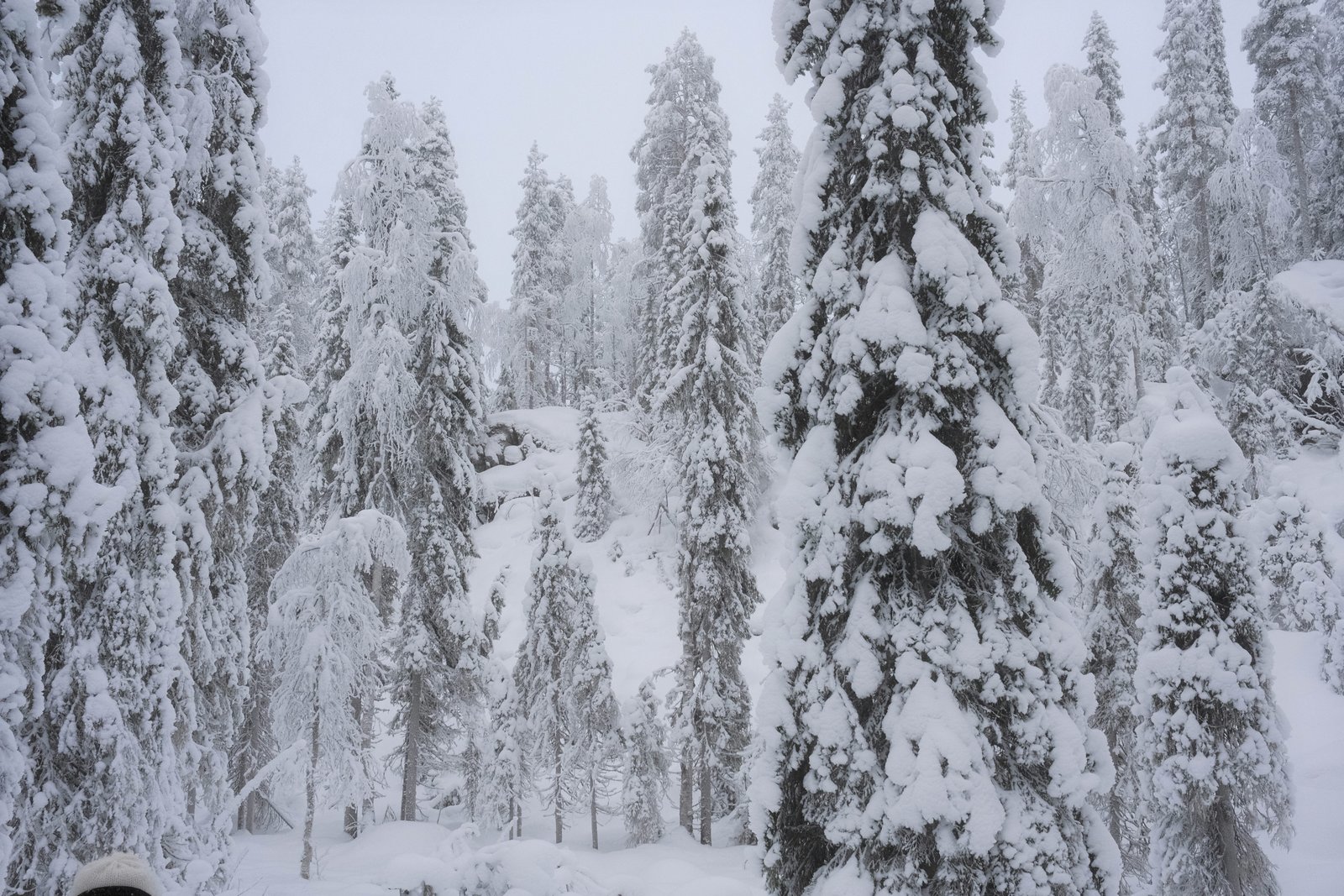
Primary forests in Sweden store substantially more carbon than managed secondary forests. The abstract says primary forests hold about 72% more carbon across vegetation, deadwood, soils, and harvested wood products combined.
What the authors say this matters
The authors conclude that these findings challenge estimated past and future contributions of boreal forest management to atmospheric carbon dioxide concentrations. The study suggests that the carbon-storage difference between forest types is important for understanding how boreal forests affect the carbon cycle.
What the researchers tested
The researchers used extensive mapping and field inventories of carbon storage in primary forests in Sweden. They combined multiple methods to compare carbon storage in primary forests and managed secondary forests across vegetation, deadwood, soils, and harvested wood products.
What worked and what didn't
Across methods, primary forests stored about 70% to 74% more carbon than managed secondary forests. Soils were both the largest carbon store and the largest source of difference between the two forest types. The total carbon storage difference was reported as 2.7 to 8.0 times larger than previous estimates.
What to keep in mind
The abstract does not describe specific limitations beyond the study scope in Sweden and the comparison between primary and managed secondary boreal forests. The summary provided does not include details on uncertainty for individual measurements beyond the ranges reported across methods.
Key points
- Primary forests in Sweden stored about 72% more carbon than managed secondary forests.
- The comparison included vegetation, deadwood, soils, and harvested wood products combined.
- Soils were the largest carbon store and the largest source of difference between forest types.
- The total carbon storage difference was 2.7 to 8.0 times larger than previous estimates.
- The authors say the findings challenge estimated past and future contributions of boreal forest management to atmospheric carbon dioxide concentrations.
Disclosure
- Research title:
- Primary boreal forests store more carbon than secondary forests
- Publication date:
- 2026-03-19
- OpenAlex record:
- View
- Image credit:
- Photo by Harri P on Unsplash · Unsplash License
Get the weekly research newsletter
Stay current with peer-reviewed research without reading academic papers — one filtered digest, every Friday.