

What the study found
African migrant workers in Portugal's construction sector experienced both constrained decent work and ongoing meaningful work. The study found that meaning at work could persist even under temporary contracts, low wages, hazardous conditions, and limited social protection.
Why the authors say this matters
The authors conclude that integrated labour policies and organizational practices may be important for supporting both decent work and meaningful work. They suggest this is relevant to migrant workers' well-being, agency, and long-term integration.
What the researchers tested
The study explored the experiences of African migrant workers in Portugal's construction sector using the Psychology of Working Theory, which examines work in relation to social and structural conditions. The researchers conducted semi-structured interviews with 18 workers and analysed them using reflexive thematic analysis.
What worked and what didn't
Temporary contracts, low wages, hazardous conditions, and limited social protection constrained access to decent work. At the same time, workers built meaningful work through family-oriented motivations, peer solidarity, and recognition from supervisors. The findings indicate that individual and collective resilience helped sustain dignity, purpose, and self-worth, and that the relationship between decent work and meaningful work was non-linear.
What to keep in mind
The abstract does not describe additional limitations beyond the focus on African migrant construction workers in Portugal. The findings are based on interviews with 18 workers, so the scope is limited to that group and context.
Key points
- African migrant construction workers in Portugal faced temporary contracts, low wages, hazardous conditions, and limited social protection.
- Meaningful work was built through family-oriented motivations, peer solidarity, and recognition from supervisors.
- The study says meaning at work can persist even in precarious contexts.
- The authors link the findings to integrated labour policies and organizational practices.
- The evidence comes from semi-structured interviews with 18 workers analyzed thematically.
Disclosure
- Research title:
- Migrant construction workers faced precarity but still found meaning
- Publication date:
- 2026-04-08
- OpenAlex record:
- View
- Image credit:
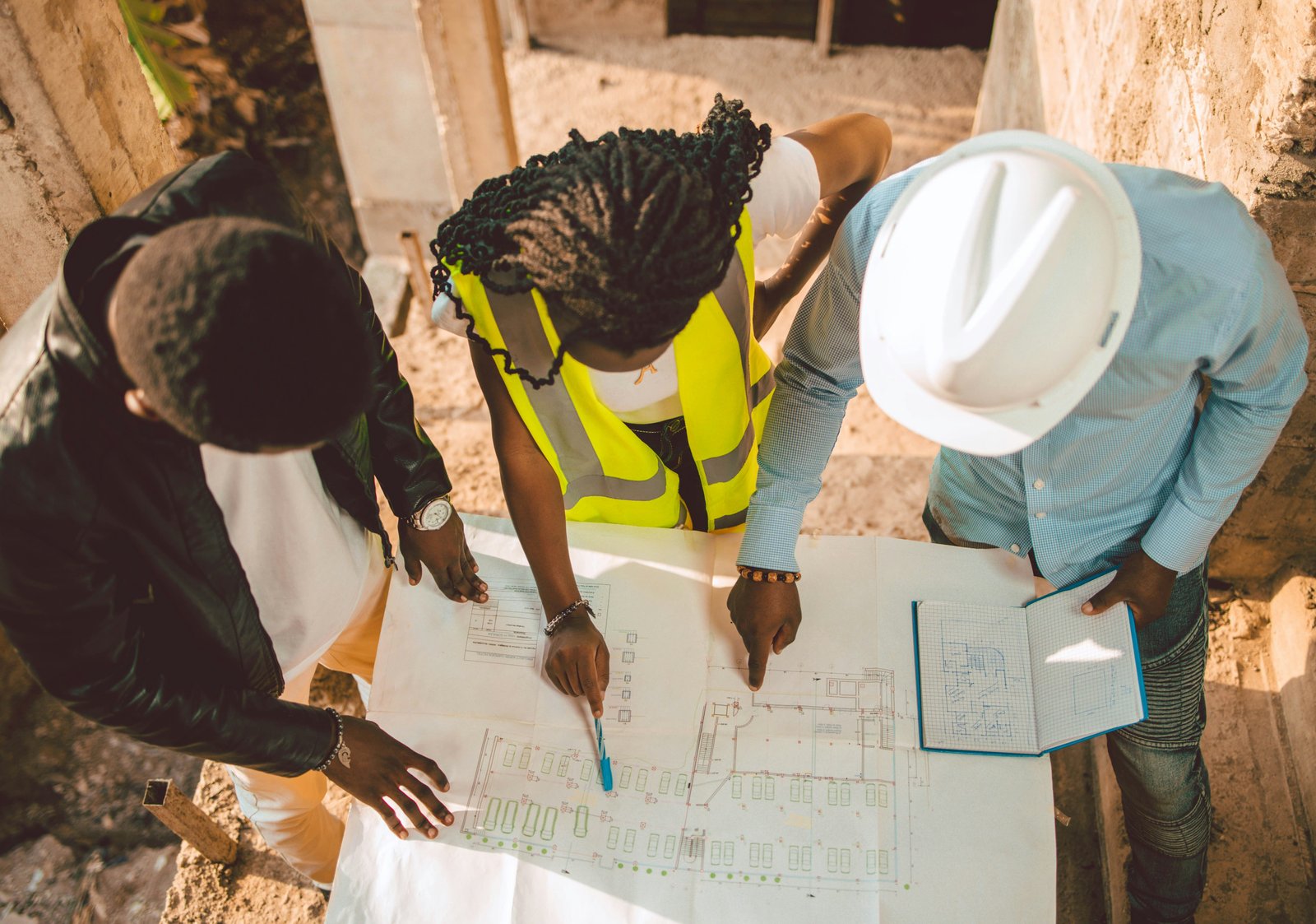
- Photo by Bave Pictures on Unsplash · Unsplash License
Get the weekly research newsletter
Stay current with peer-reviewed research without reading academic papers — one filtered digest, every Friday.