

What the study found
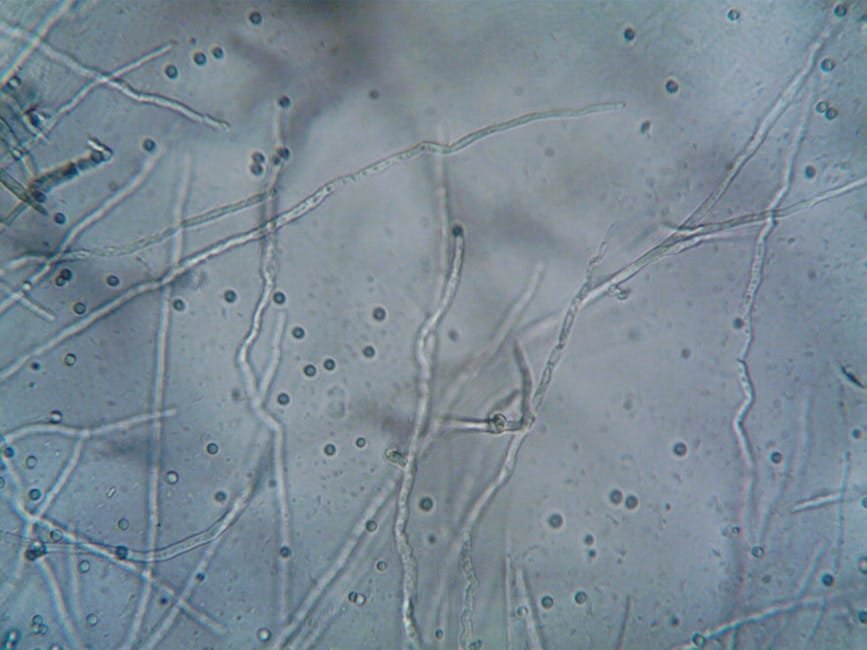
Fermentation was associated with changes in soybean physicochemical properties, proximate composition, organoleptic properties, and microbial load. The abstract also reports that Bacillus spp. had an antagonistic effect against Staphylococcus aureus, but not against Candida albican.
Why the authors say this matters
The authors conclude that Bacillus spp. are the major fermenting organism of soybeans. They also suggest that the effect of Bacillus spp. against the selected pathogen could imply that it is a good probiotic microbe.
What the researchers tested
Soybean seeds were bought from a market, cleaned, pulverized, and processed through fermentation stages for analysis. The researchers examined physicochemical changes, proximate composition, organoleptic changes, and microbial load on several media.
What worked and what didn't
Reported changes included moisture, sugar, pH, temperature, crude protein, crude fibre, fat content, ash, and total titratable acidity. Microbial counts varied across media, coliform count was nil, and Bacillus spp. showed a 0.8 cm zone of inhibition against Staphylococcus aureus but was not effective against Candida albican.
What to keep in mind
The abstract does not describe detailed limitations, sample size, or the fermentation conditions in full. The conclusions are limited to the measurements and organisms reported in the abstract.
Key points
- Fermentation changed soybean moisture, sugar, pH, temperature, and several nutrient measures.
- Crude protein increased from 48.17 to 58.05, while other proximate measures also changed.
- Microbial counts varied by medium, and coliform count was reported as nil.
- Bacillus spp. inhibited Staphylococcus aureus with a 0.8 cm zone of inhibition.
- Bacillus spp. was not effective against Candida albican.
Disclosure
- Research title:
- Fermentation changed soybean composition and microbial counts
Get the weekly research newsletter
Stay current with peer-reviewed research without reading academic papers — one filtered digest, every Friday.