

AI Summary of Peer-Reviewed Research
This page presents an AI-generated summary of a published research paper. The original authors did not write or review this article. See full disclosure ↓
⚠️ This article summarizes published research and is intended for informational purposes only. It does not constitute medical advice or clinical guidance.
Publication Signals show what we were able to verify about where this research was published.MODERATECore publication signals for this source were verified. Publication Signals reflect the source’s verifiable credentials, not the quality of the research.
- ✔ Peer-reviewed source
- ✔ Published in indexed journal
- ✔ No retraction or integrity flags
Overview
Long-gap peripheral nerve injuries present significant clinical challenges due to limitations in autologous nerve transplantation, including donor site morbidity and restricted graft availability. Conventional artificial nerve conduits lack the biomimetic structural and functional properties necessary for effective regeneration. This work develops a composite nerve guidance conduit integrating silk fibroin, gelatin methacrylate, polypyrrole, and a knitted silk fiber sleeve to replicate the hierarchical organization and bioelectrical properties of native peripheral nerves.
Methods and approach
The composite conduit comprises multiple layers: an outer silk fibroin knitted sleeve providing mechanical support and epineurium-analogous function, and an inner multichannel hydrogel matrix of silk fibroin and gelatin methacrylate incorporated with polypyrrole for electroactive properties. The design strategy prioritizes biomimicry of native nerve structure while incorporating multifunctional biomaterial properties. Characterization encompassed degradation profiles, electrical conductivity, mechanical stability, structural directionality, and in vitro cellular interactions. In vivo efficacy was evaluated in a rat sciatic nerve defect model, with assessment of nerve regeneration and functional recovery.
Key Findings
The SF/GelMA/PPy/KS composite conduit demonstrated appropriate degradability compatible with tissue regeneration timelines, maintained electrical conductivity sufficient for bioelectrical regulation, and exhibited mechanical stability under physiological conditions. The structure supported directional organization conducive to axonal guidance. In vitro studies confirmed biocompatibility and supported neurotrophic factor retention and release kinetics. In vivo transplantation into long-segment sciatic nerve defects resulted in successful nerve regeneration and restoration of functional capacity in the rat model.
Implications
The integration of biomimetic hierarchical architecture with multifunctional biomaterials represents a substantive advancement in peripheral nerve conduit design. By incorporating electroactive components alongside structural organization that replicates native nerve anatomy, the conduit addresses multiple biological requirements simultaneously. This approach may extend the clinical applicability of artificial nerve guidance systems to long-gap injury scenarios where conventional conduits have demonstrated insufficient regenerative outcomes.
Disclosure
- Research title: Bioinspired Multilayered Conductive Nerve Guidance Conduit Built on Hydrogels and Knitted Silk Fiber Sleeves for Peripheral Nerve Regeneration
- Authors: Zhanchi Zhu, S. X. Gao, Zhaoming Song, Chen Wang, Ziying He, Zhaojun Wang, Kai Meng, Jingqi Li, Jiawei Li, Wen Yang, Yun Xie, Ying Hao
- Publication date: 2026-02-24
- DOI: https://doi.org/10.1021/acsnano.5c18775
- OpenAlex record: View
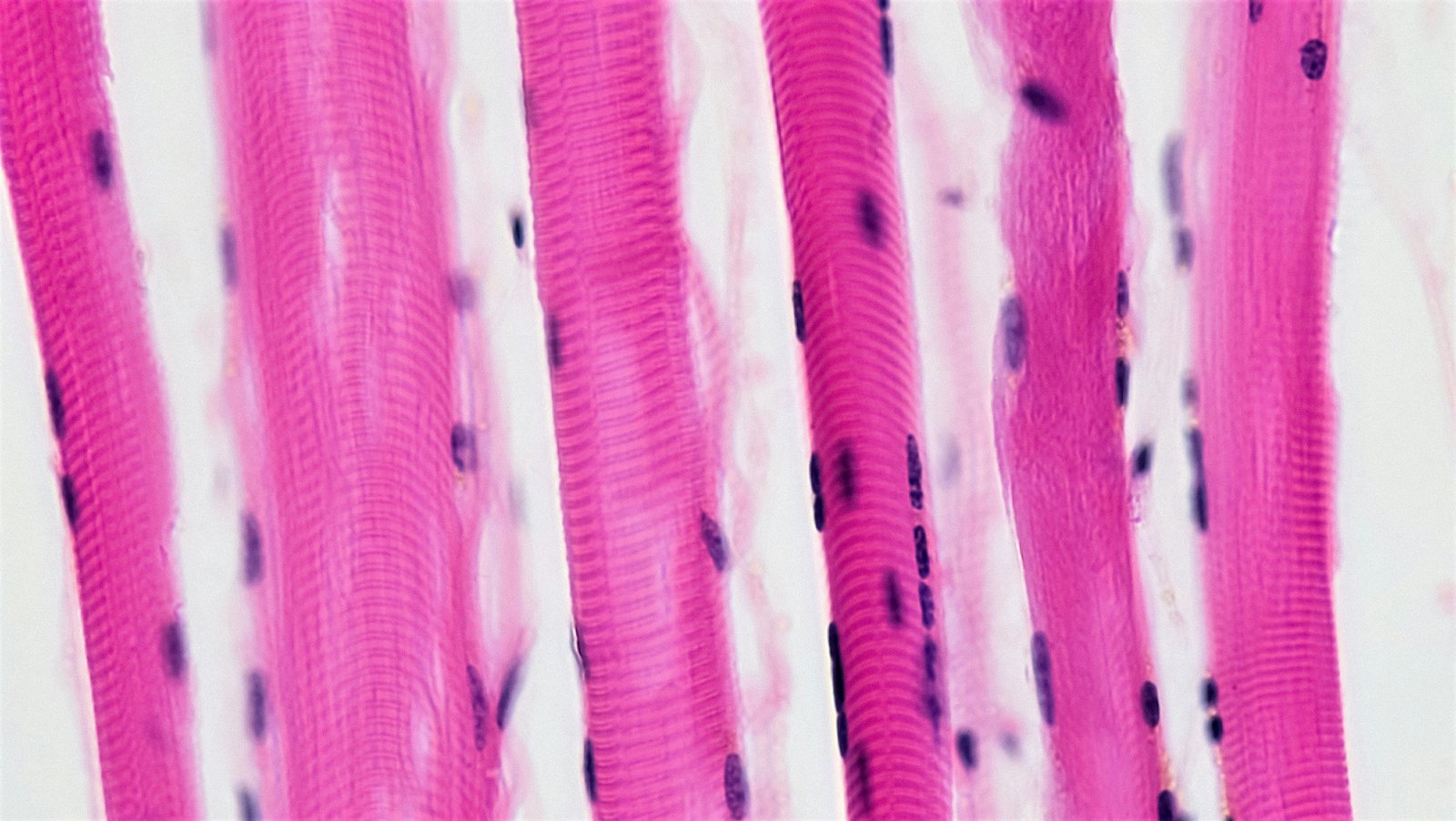
- Image credit: Photo by Bioscience Image Library by Fayette Reynolds on Unsplash (Source • License)
- Disclosure: This post was generated by Claude (Anthropic). The original authors did not write or review this post.
Get the weekly research newsletter
Stay current with peer-reviewed research without reading academic papers — one filtered digest, every Friday.