

AI Summary of Peer-Reviewed Research
This page presents an AI-generated summary of a published research paper. The original authors did not write or review this article. See full disclosure ↓
⚠️ This article summarizes published research and is intended for informational purposes only. It does not constitute medical advice or clinical guidance.
Publication Signals show what we were able to verify about where this research was published.STRONGWe verified multiple publication signals for this source, including independently confirmed credentials. Publication Signals reflect the source’s verifiable credentials, not the quality of the research.
- ✔ Peer-reviewed source
- ✔ Published in indexed journal
- ✔ No retraction or integrity flags
Key findings from this study
This research indicates that:
- COMT-I drugs possess iron-dependent antibiotic activity that alters gut microbiome composition in Parkinson's disease patients.
- Microbiota-mediated L-DOPA metabolism varies significantly between individuals when COMT-I is co-administered.
- Iron availability bidirectionally regulates COMT-I antimicrobial effects through both extracellular and intracellular mechanisms.
Overview
Catechol-O-methyltransferase inhibitors (COMT-I) used to treat Parkinson's disease possess antibiotic properties that alter gut microbiome composition. The microbiome, in turn, mediates metabolism of levodopa (L-DOPA), the primary Parkinson's disease therapeutic agent. This work establishes the gut microbiome as a mediator of drug-drug interactions through mechanistic characterization of COMT-I-microbiome-L-DOPA relationships.
Methods and approach
Researchers characterized COMT-I antibiotic activity across in vitro, ex vivo, and in vivo systems. Iron availability effects on COMT-I activity and bacterial responses were examined. Human fecal microbial communities exposed to COMT-I and L-DOPA co-administration allowed assessment of L-DOPA metabolism alterations in individual samples.
Results
COMT-I drugs exhibit antibiotic properties against susceptible bacteria. Iron availability modulates COMT-I antimicrobial activity bidirectionally: extracellular iron drives non-enzymatic COMT-I inactivation, potentially rescuing bacteria from iron starvation stress induced by COMT-I; conversely, intracellular iron limitation protects certain bacteria from COMT-I-mediated growth inhibition.
When COMT-I and L-DOPA were co-administered to ex vivo human fecal communities, COMT-I altered L-DOPA metabolism patterns. These alterations were COMT-I-dependent and varied substantially between individual samples, indicating subject-specific responses. The findings establish mechanistic links between antimicrobial drug activity, microbiome iron metabolism, and therapeutic drug bioavailability.
Implications
The results demonstrate that gut microbiota composition directly influences the pharmacokinetics of co-prescribed medications. Antimicrobial properties of non-antibiotic drugs may contribute substantially to clinically observed drug-drug interactions previously attributed to pharmacokinetic or pharmacodynamic mechanisms alone. Microbiota-mediated drug interactions represent an underappreciated category of polypharmacy interactions in Parkinson's disease treatment and potentially across clinical medicine.
Individual-level microbiome features emerge as predictive markers for drug response heterogeneity in patients receiving COMT-I and L-DOPA. Identifying and quantifying these features could enable personalized therapeutic optimization. Future clinical studies should incorporate microbiome characterization into pharmacokinetic and therapeutic efficacy assessments for co-prescribed drugs.
Scope and limitations
This summary is based on the study abstract and available metadata. It does not include a full analysis of the complete paper, supplementary materials, or underlying datasets unless explicitly stated. Findings should be interpreted in the context of the original publication.
Disclosure
- Research title: A drug–microbiome–drug interaction impacts co-prescribed medications for Parkinson’s disease
- Authors: Andrew A Verdegaal, Joonseok Oh, Bahar Javdan, Ruojun Wang, Qihao Wu, Timothy R. W. Wang, Jaime A. González-Hernández, Mohamed S. Donia, Jason M. Crawford, Andrew L. Goodman
- Institutions: Amgen (United States), Medpace (United States), Princeton University, University of Pittsburgh, Yale University
- Publication date: 2026-04-06
- DOI: https://doi.org/10.1038/s41564-026-02299-2
- OpenAlex record: View
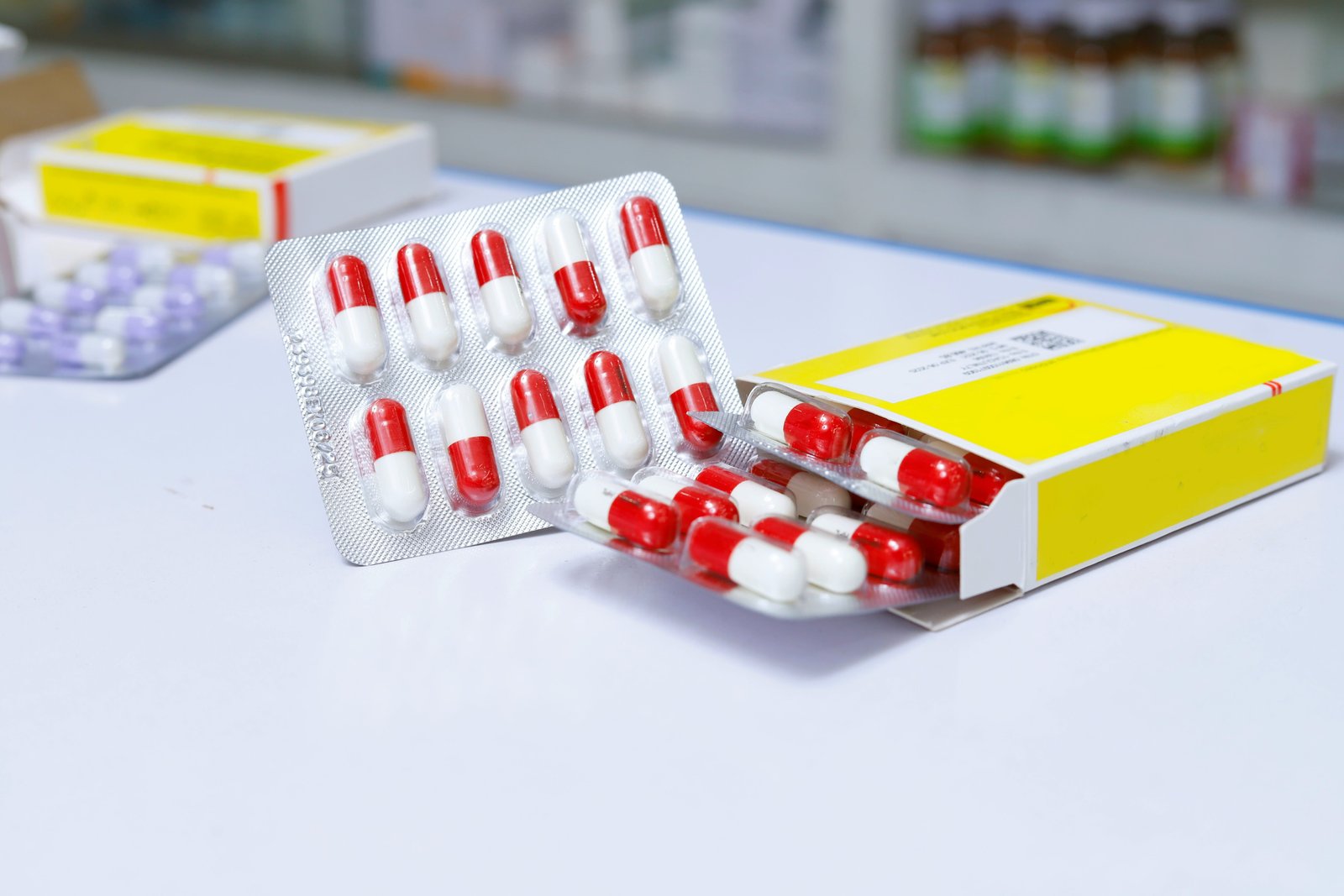
- Image credit: Photo by Melany @ tuinfosalud.com on Unsplash (Source • License)
- Disclosure: This post was generated by Claude (Anthropic). The original authors did not write or review this post.
Get the weekly research newsletter
Stay current with peer-reviewed research without reading academic papers — one filtered digest, every Friday.


