

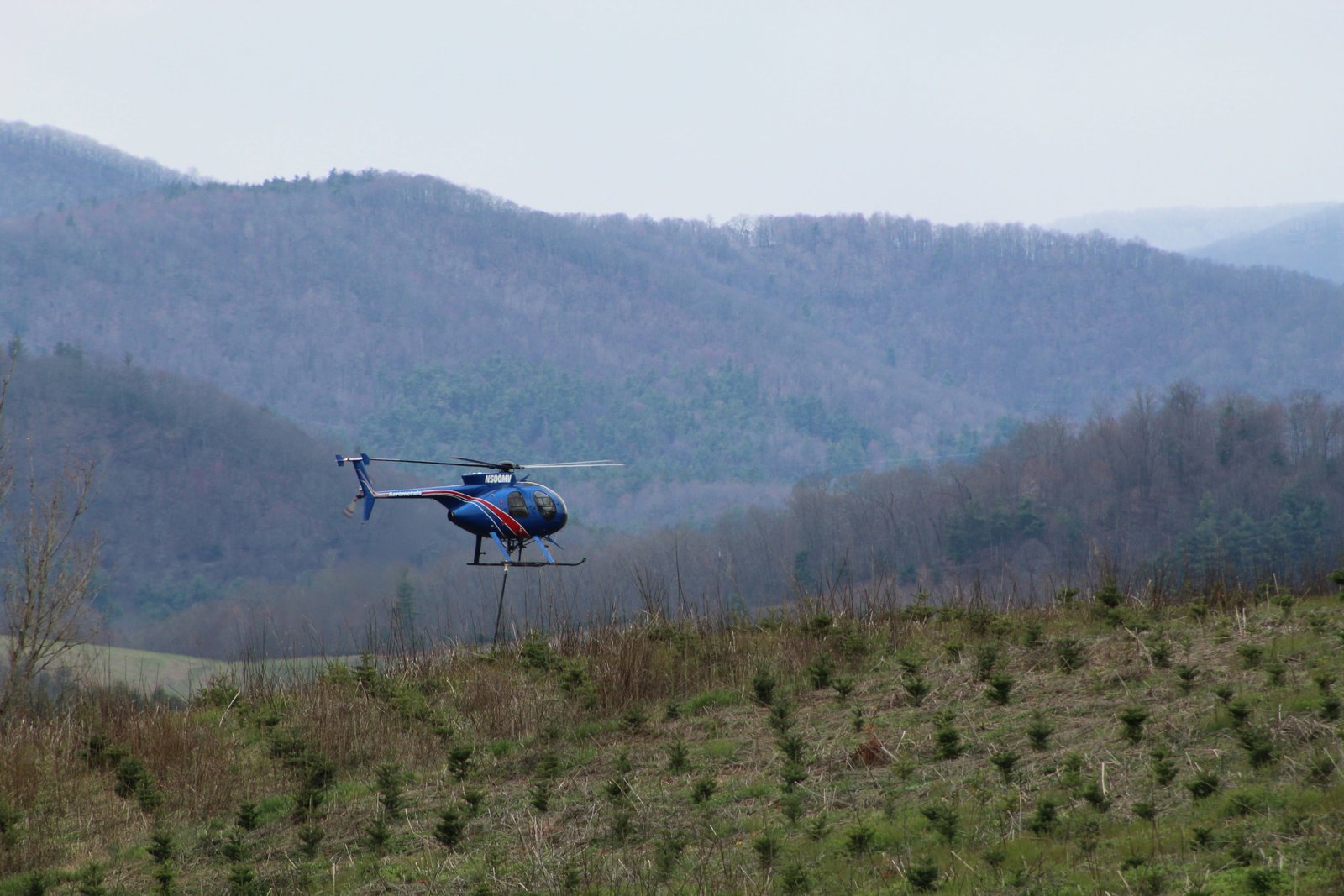
What the study found
The study found that thermal imaging did not significantly increase aerial culling rates for feral deer and pigs in the warm tropical conditions studied. The thermal camera detected animals across a range of temperatures and canopy densities, but overall removal rates were not higher than with conventional visual detection.
Why the authors say this matters
The authors conclude that thermal imagery may still provide significant gains in aerial culling rates when animal densities are lower and when dense canopy makes animals harder to detect. They suggest selective use of thermal imagery in northern Australia could benefit future culling programs, and that further assessments are needed to optimize control practices.
What the researchers tested
The researchers compared thermal detection with conventional, unaided visual shooting during aerial control of chital deer and feral pigs near Collinsville, Queensland. They analyzed video recordings from a chital deer control program to compare culling rates, animal detections, and search times between thermal and conventional runs.
What worked and what didn't
The thermal camera successfully detected animals under a variety of temperatures and in different canopy densities. However, it did not significantly increase culling rate, measured as animals removed per hour or per kilometer, compared with conventional detection. There were also no consistent differences in search time between thermal and conventional runs.
What to keep in mind
The abstract does not describe detailed limitations beyond noting the warm, tropical setting of the study. Its findings are based on video analysis from one control program involving chital deer, so the summary here is limited to that context.
Key points
- Thermal imaging detected animals across a range of temperatures and canopy densities.
- It did not significantly improve aerial culling rates compared with conventional visual detection.
- There were no consistent differences in search time between thermal and conventional runs.
- The authors suggest thermal imagery may help more when animal density is lower or canopy cover is dense.
- Further assessments are recommended to optimize future control practices.
Disclosure
- Research title:
- Thermal imaging did not raise aerial culling rates overall
- Authors:
- Matthew Gentle, Aiden Sydenham, Bren Fuller, Anthony Pople
- Institutions:
- Australian Research Council, Department of Primary Industries, Department of Primary Industries, Department of Primary Industries
- Publication date:
- 2026-04-13
- DOI:
- 10.1071/wr25195
- OpenAlex record:
- View
- Image credit:
- Photo by Mike Reeves on Unsplash · Unsplash License
Get the weekly research newsletter
Stay current with peer-reviewed research without reading academic papers — one filtered digest, every Friday.