Category: Ecology
Incidental possum predation can raise extinction risk
—
in EcologyWhat the study found Arboreal herbivores such as the Common Brushtail Possum can act as incidental predators of bird eggs. In this study, possums did not show evidence of seeking out nests using odour or of individual specialisation. Why the authors say this matters The authors conclude that even low rates of incidental predation by…

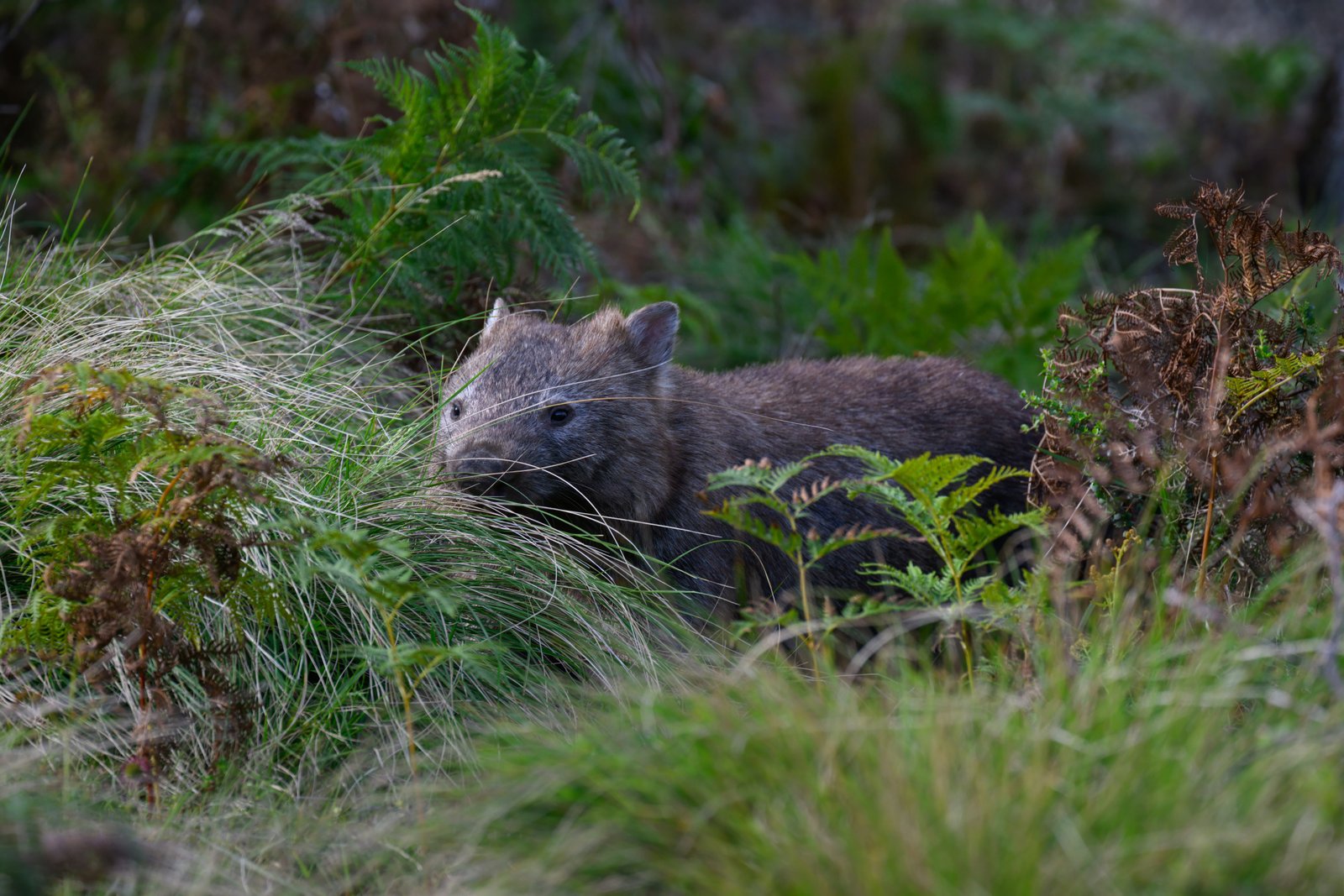
Dingo-exposed wombats showed stronger scent investigation
—
in EcologyStudy examines whether wombats isolated from dingoes for 80 years have lost predator recognition, finding they retain discrimination but show reduced environmental vigilance.

Reduced enemy pressure did not explain range shifts
—
in EcologyStudy of nine alpine plant species finds that reduced leaf damage at warm range edges does not explain why some plants shift downhill during climate change.

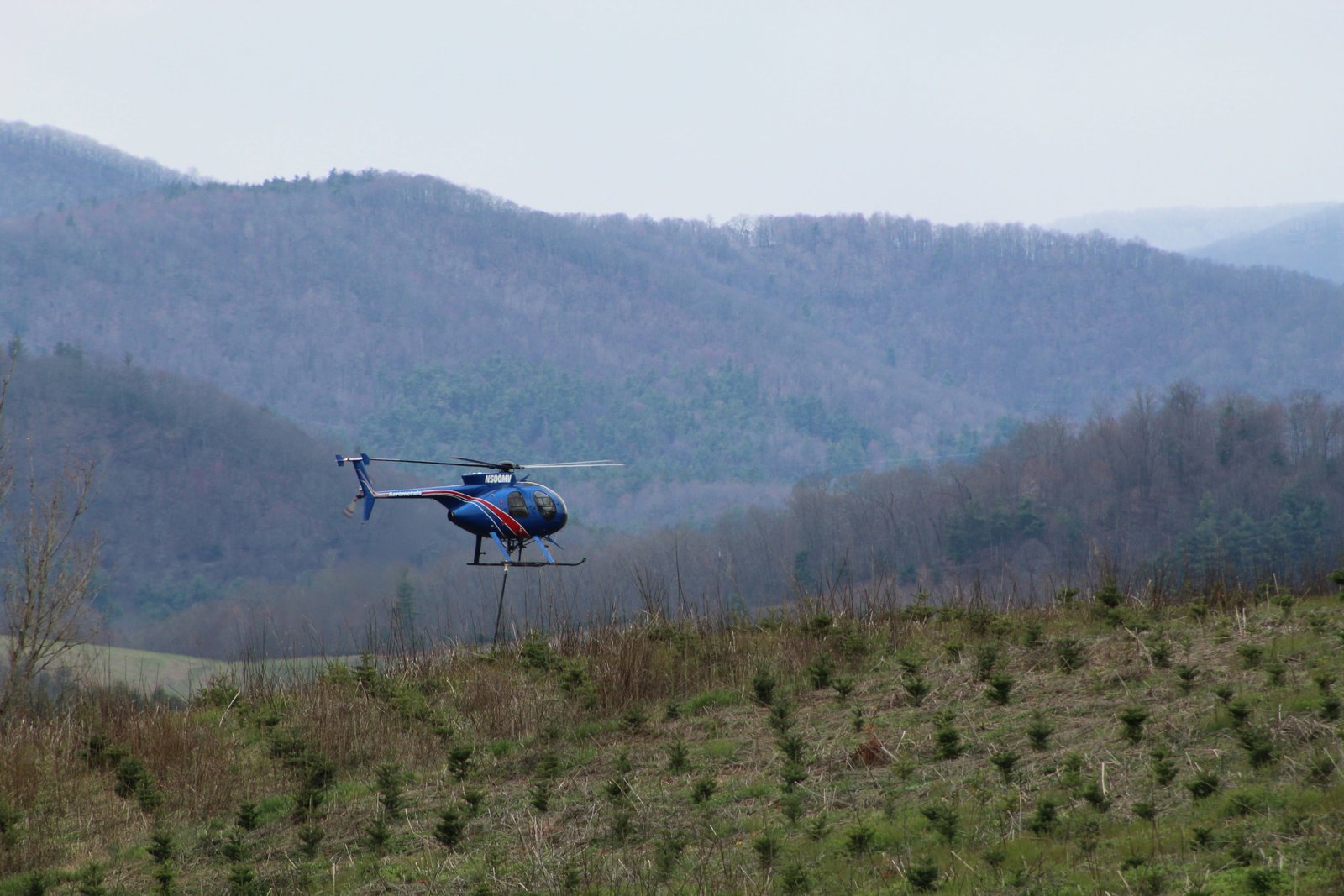
Thermal imaging did not raise aerial culling rates overall
—
in EcologyStudy compares thermal camera versus visual detection in aerial culling of feral deer and pigs in tropical Queensland, finding no significant efficiency gains under tested conditions.

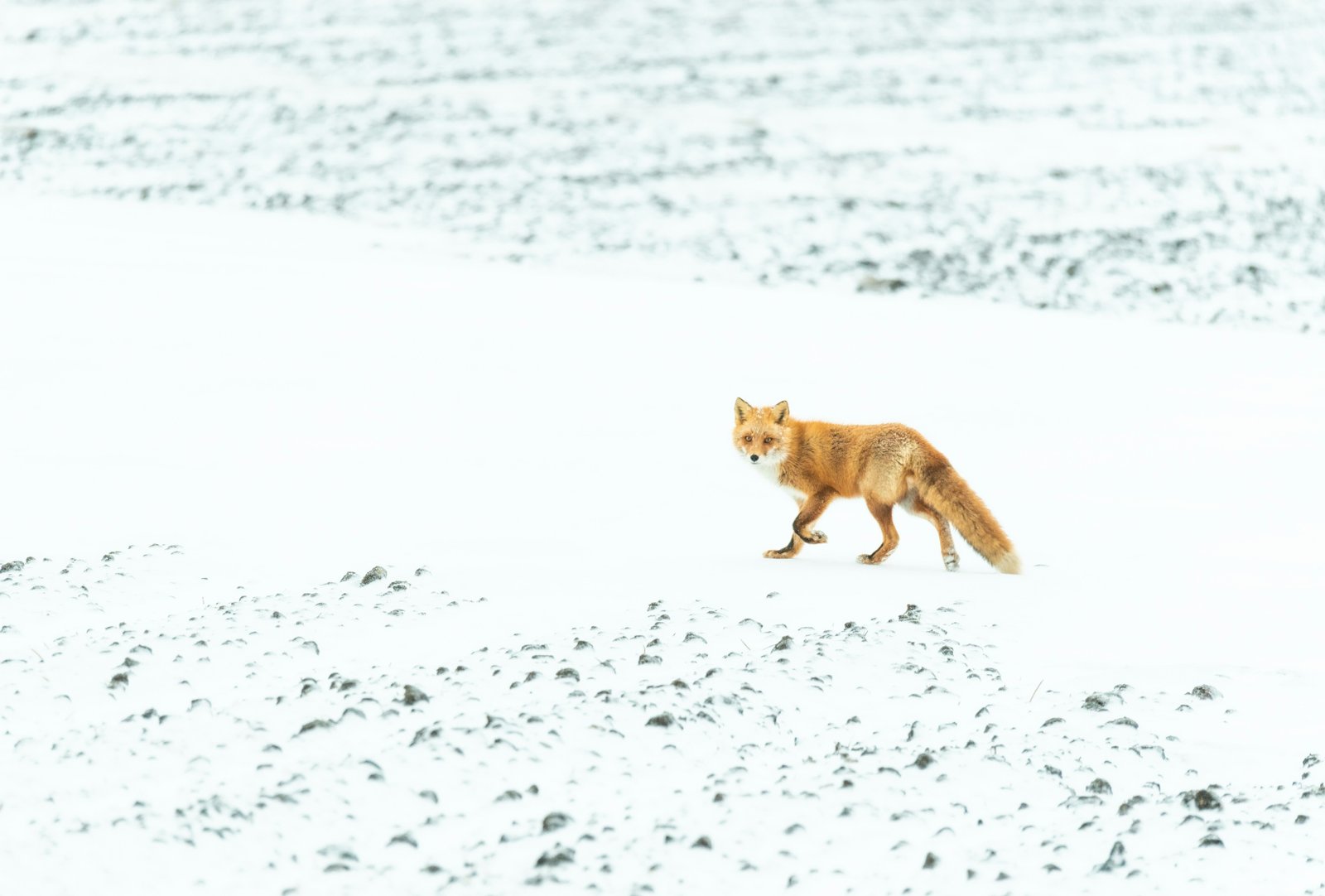
Harvest levels may prevent red fox growth, but not decline
—
in EcologyIntegrated population modeling of red foxes shows harvest alone cannot suppress populations when compensatory immigration buffers mortality, with implications for mesopredator management.

Urbanisation amplifies climate-driven butterfly declines in Europe
—
in EcologyUrban and rural butterfly populations respond differently to climate warming and aridification, with urbanisation amplifying negative climate impacts through reduced habitat connectivity.

Long-nosed potoroo faces different conservation statuses across landscapes
—
in EcologyLong-nosed potoroo conservation varies by landscape in Victoria, facing threats from invasive predators, fire, and climate change. Strategic management combining habitat protection and predator.

Coastal food web changed over 125 years but kept stable trophic structure
—
in EcologyHistorical species composition data reveal how a coastal food web changed structurally over 125 years while maintaining stable trophic organization and energy transfer efficiency.

Hierarchical eco-zonation was strongest at coarse scales in Uganda
—
in EcologyMachine-learning framework using global datasets creates hierarchical eco-zone maps for data-scarce Afrotropical regions, demonstrating open-source approaches for ecological stratification and.

Historical records suggest a broader tara iti range
—
in EcologyArchival database documents the broader historical range of New Zealand’s rarest endemic bird, tara iti, revealing substantial range contraction since European settlement.