Tag: Environmental Chemistry

Deep-learning fluorescence array quantified multiple PFAS in water
A fluorescence sensor array combined with deep learning quantifies multiple PFAS contaminants in water samples simultaneously, providing rapid screening for environmental monitoring.

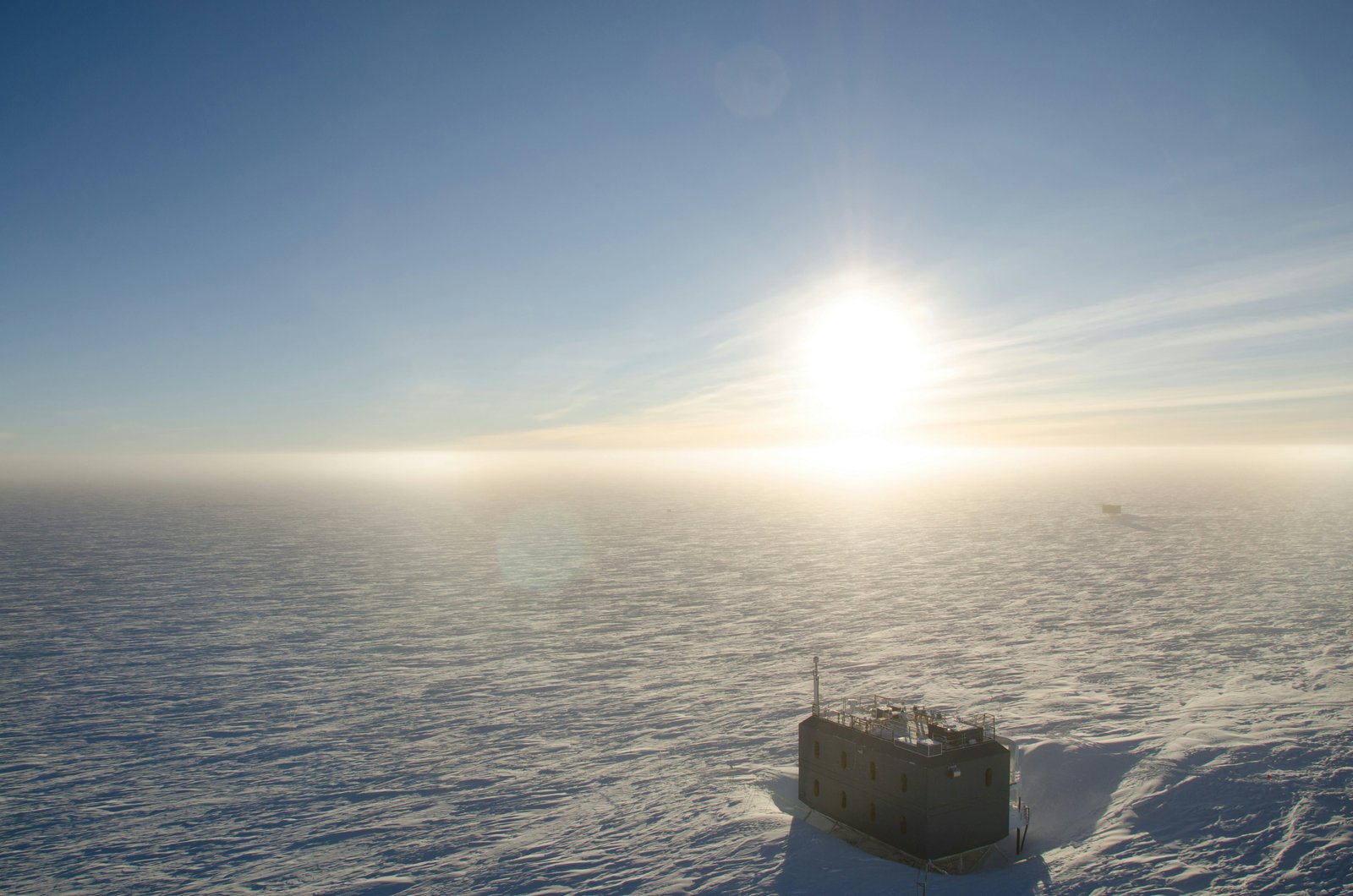
Microbial methane release identified in inner Laptev Sea subsea permafrost
Triple-isotopic analysis reveals old microbial methane from subsea permafrost drives methane release in the inner Laptev Sea, contrasting with thermogenic sources elsewhere on the Arctic shelf.

PFOS detected rapidly with a dual-recognition chemiresistive sensor
Chemiresistive sensor with molecularly imprinted polymer and fluorine-fluorine interactions achieves 1.3 ng·L⁻¹ detection of PFOS in environmental samples with validated accuracy.

Home-produced eggs had the highest PFAS levels in Croatia
Study measuring per- and polyfluoroalkyl substances in Croatian eggs across production systems, identifying home-produced eggs as significantly more contaminated and young children as most vulnerable.

PFAS aerosols concentrated in fine particles under chamber conditions
Controlled chamber study of PFAS aerosol formation reveals size-dependent inhalation deposition patterns. Most PFAS show fine-mode aerosols with peaks at 0.3 micrometers, while bacterial seed.

Grazing risk can induce toxins as strongly as nitrogen enrichment
—
in EcologyMeta-analysis of 113 experimental contrasts demonstrating that grazing risk rivals nutrient enrichment in driving phycotoxin production in Alexandrium and Pseudo-nitzschia harmful algae.

Sunlight-driven photocatalyst cleaves PFAS carbon–fluorine bonds
Z-scheme photocatalyst CuInS2/BiOCl composite enables visible-light-driven degradation of PFAS through directed charge transfer, achieving 96% removal in sunlight-driven continuous-flow systems.

Certain nitrogen compounds improved PFOA electrochemical degradation
Electrochemical degradation of PFOA enhanced by nitrogen-containing compounds with lone-pair electrons; mechanisms involve direct electron transfer and reactive nitrogen species generation.

Target-only PFAS data can still differentiate overlapping sources
Tiered PFAS fingerprinting framework for source differentiation using targeted analytics, diagnostic ratios, isomer patterns, and geospatial analysis in complex industrial groundwater settings.

Visible-light photocatalyst achieves near-complete PFAS defluorination
Visible-light photocatalytic defluorination of PFAS using stabilized porphyrin radicals achieving near-complete conversion without additives.