

Key findings from this study
This research indicates that:
Key points
- External observers generated most documented place names for Sudan, while local designations were either lost through linguistic barriers or deliberately marginalized in recorded history.
- Sudan's toponymic record reflects colonial and foreign dominance in regional historiography, establishing external perspectives as the primary source of geographical knowledge.
- Place names encode geographical, cultural, and political contexts that shift across historical periods and require contextual interpretation rather than treatment as stable references.
- The naming history of Sudan must be evaluated through frameworks of cultural representation, identity construction, and power relations embedded in nomenclatural systems.
Overview
This study examines toponymic practices in Sudan's historical geography by investigating how place names originated and functioned across time. The research explores the roles of internal and external actors in shaping naming conventions and contextualizes these practices within geographic, cultural, and political frameworks.
Methods and approach
The study employs a historical approach with descriptive methodology drawing on sources from history, archaeology, and linguistics. The analysis examines names assigned by multiple actors including ancient Egyptians, Greeks, Arabs, European colonizers, and local populations across distinct historical periods and regions.
Results
The majority of toponyms attributed to Sudan originated from external observers rather than indigenous populations. Local naming practices were either lost through undeciphered languages or subsequently marginalized in regional historiography. The study identifies that names including Biladü's-Sudan, Nubia, Kush, the Funj Sultanate, Darfur, and numerous alternative designations (Nubatia, Wawat, Ta-Seti, Ta Nehesy, and others) reflect distinct geographical, cultural, and political contexts across historical periods.
The prevalence of exogenous nomenclature indicates the dominance of external perspectives in the historical record of Sudan. This pattern demonstrates how colonial and foreign viewpoints shaped the recorded geography and identity of the region. The research reveals a fundamental asymmetry between documented external names and largely inaccessible or displaced local designations.
Implications
The study suggests that toponymic analysis constitutes a critical lens for understanding power relations and cultural representation in regional historiography. Place names encode historical processes of domination, knowledge production, and identity negotiation that warrant explicit examination alongside conventional historical narratives. This framework extends beyond toponymy to address how geographical nomenclature participates in constructing and contesting regional identities.
Recognizing the marginalization of local naming practices necessitates methodological attention to undeciphered languages and fragmentary historical evidence. Future historical geographic work on Sudan requires integration of linguistic, archaeological, and historical sources to recover displaced nomenclatural systems. The study establishes toponymy as a site where cultural representation, identity construction, and geopolitical hierarchies converge.
Scope and limitations
This summary is based on the study abstract and available metadata. It does not include a full analysis of the complete paper, supplementary materials, or underlying datasets unless explicitly stated. Findings should be interpreted in the context of the original publication.
Disclosure
- Research title: Toponymic Practices in the Historical Geography of Sudan
- Authors: Tarig Mohamed Nour Ali, İlhami Yurdakul
- Institutions: Bilecik Şeyh Edebali Üniversitesi
- Publication date: 2026-03-31
- DOI: https://doi.org/10.24186/vakanuvis.1805369
- OpenAlex record: View
- PDF: Download
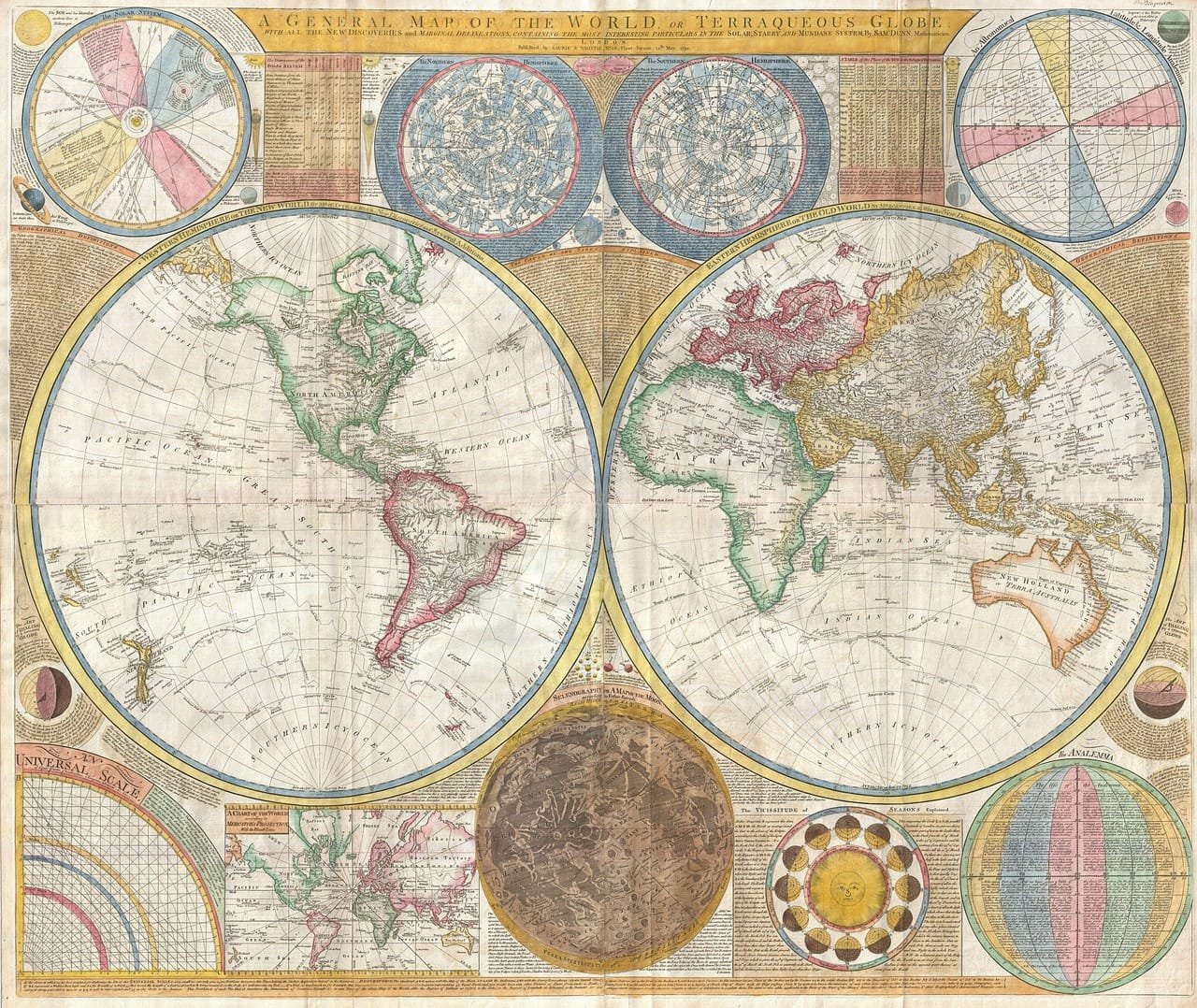
- Image credit: Photo by WikiImages on Pixabay (Source • License)
- Disclosure: This post was generated by Claude (Anthropic). The original authors did not write or review this post.
Disclosure
- Research title:
- Toponymic Practices in the Historical Geography of Sudan
- Publication date:
- 2026-03-31
- OpenAlex record:
- View
- Image credit:
- Pixabay • WikiImages · Pixabay License
Get the weekly research newsletter
Stay current with peer-reviewed research without reading academic papers — one filtered digest, every Friday.