

What the study found
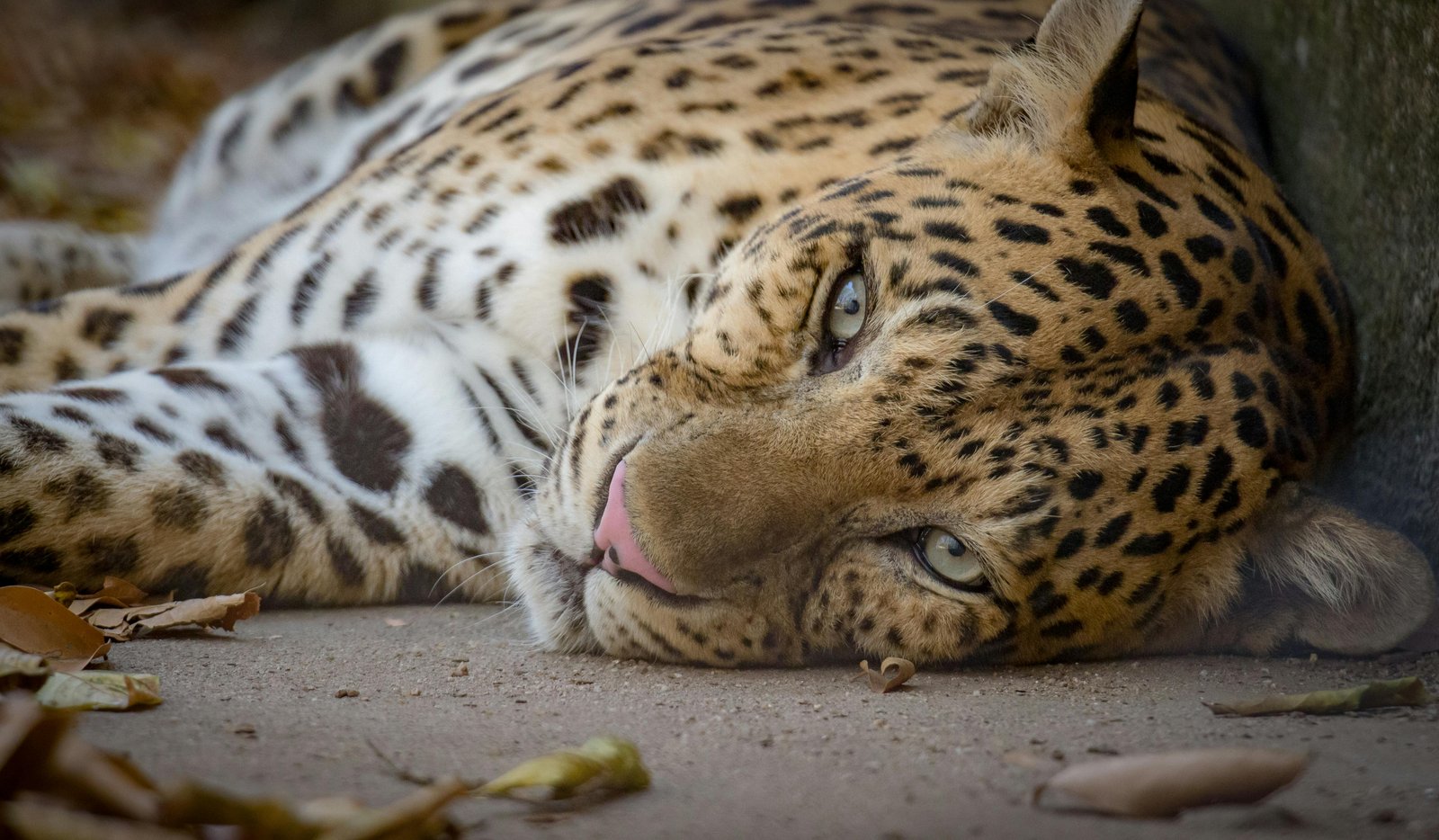
Indian panthers in the Aravalli Hills showed a seasonal diet that included both wild and domestic prey, with domestic animals becoming especially important in winter and summer. The authors report that this pattern reflects flexible hunting behavior in a fragmented landscape.
Why the authors say this matters
The study suggests that understanding leopard diet and hunting patterns is important for conservation in fragmented forests and wildlife areas. The authors conclude that restoring natural prey and applying landscape-level conservation strategies are needed to help reduce potential human-panther conflict.
What the researchers tested
The researchers studied Indian panther diet and hunting behavior in Sisarma Banki Forest and Sajjangarh Wildlife Sanctuary in southern Rajasthan from November 2014 to October 2018. They analyzed 150 scats, using microscopic hair and bone examination to identify prey species across seasons.
What worked and what didn't
Thirteen prey species were identified in the scat samples: eight wild species and five domestic species. Rodents were a consistent primary food source in most seasons except summer, while domestic livestock made up about 57.85% of the diet in winter and 63.14% in summer. The study also found a wide prey range, from small rodents to large ungulates.
What to keep in mind
The abstract describes the study as an analysis of scats from two sites over four years, so the findings are limited to those locations and that period. It does not describe detailed limitations beyond the inference that declining natural prey in fragmented habitats may be linked to increased use of domestic prey.
Key points
- The study found 13 prey species in panther scats: 8 wild and 5 domestic.
- Domestic livestock accounted for about 57.85% of the diet in winter and 63.14% in summer.
- Rodents were a consistent main food source in most seasons except summer.
- The prey range extended from small rodents to large ungulates.
- The authors link the diet pattern to fragmented habitats and reduced natural prey.
Disclosure
- Research title:
- Panthers relied heavily on domestic livestock in winter and summer
- Publication date:
- 2026-02-24
- OpenAlex record:
- View
- Image credit:
- Pexels • Wildlife Alliance · Pexels License
Get the weekly research newsletter
Stay current with peer-reviewed research without reading academic papers — one filtered digest, every Friday.