Tag: Mass spectrometry

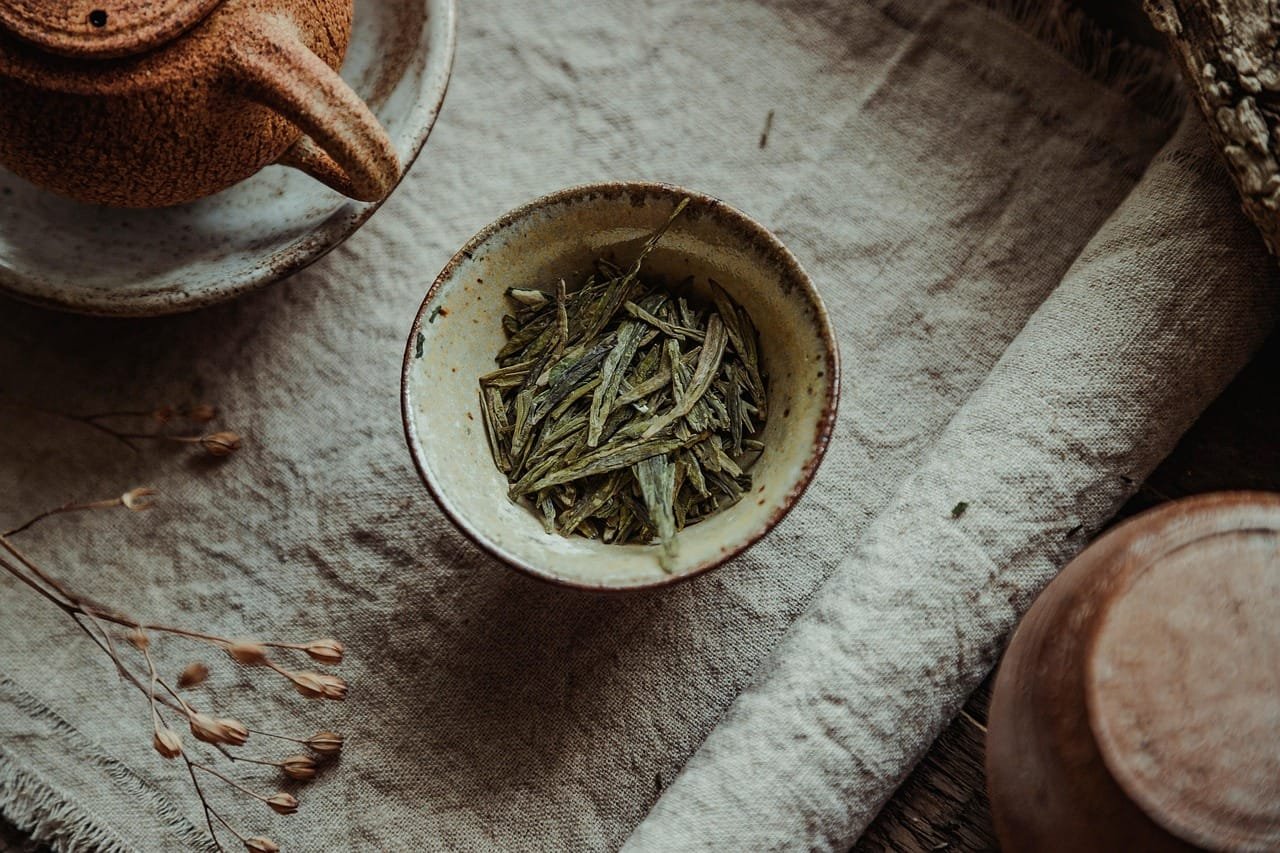
Peppermint tea extract was rich in terpenes
Analysis of commercial peppermint tea extracts identified 16 previously unreported volatile compounds and showed that the aqueous extract volatile profile differs from essential oil composition.

HILIC-DIA-MS enabled analysis of polar peptides in foods
—
HILIC-DIA-MS workflow for targeted and untargeted analysis of polar peptides and taste-relevant compounds in foods including cheese, ham, and fermented products.

Functional groups strongly affect amino acid LC-MS derivatization
—
in ChemistrySystematic evaluation of derivatization agents for LC-MS amino acid analysis identifies isoquinoline-6-carboxylic acid NHS ester as optimal, achieving nanomolar sensitivity and long-term stability.

Headspace gas chromatography may support food authenticity analysis
—
Static headspace sampling with cryogenic modulation GC×GC-TOFMS enables comprehensive volatile and chiral analysis of citrus essential oils, eliminating solvents while improving detectability for.

AQbD improved peptide separation and produced a green UHPLC-ToF-MS method
—
AQbD-based UHPLC-ToF-MS method for simultaneous analysis of synthetic peptides, incorporating design space definition and greenness assessment for robust analytical characterization.

Anthocyanin profiles differ across blueberries, raspberries, and resistant grapes
UHPLC/Q‑TOF profiling identified 35 anthocyanins across blueberry, raspberry, and two fungal‑resistant red grape varieties, revealing distinct glycosylation and acylation patterns.