Category: Agricultural and Biological Sciences
TabPFN matched standard models for crop yield forecasting
What the study found A foundation model for tabular data, called TabPFN, produced crop-yield forecasts for maize, soybeans, and sunflowers in South Africa with accuracy comparable to several machine-learning models and better than baseline approaches. Why the authors say this matters The authors say accurate and timely crop yield forecasts are crucial for decisions about…
Polyphenols alter κ-carrageenan gel mechanics, adhesion, and disintegration
What the study found Plant-derived polyphenols can reprogram kappa-carrageenan (κ-CRG, a seaweed-derived polysaccharide used to form hydrogels) in a structure-dependent way. The authors report that this changes gel mechanics, thermal behavior, adhesion, and how the gels break down in water-based fluids. Why the authors say this matters The authors conclude that this provides a fully…
High-diversity crop-livestock systems increased soil carbon and nitrogen
What the study found Integrated crop-livestock systems with higher crop diversity were associated with greater soil carbon and nitrogen levels and stocks in subtropical paddy fields in southern Brazil. The lowest values were found in rice monoculture. Why the authors say this matters The authors conclude that integrated crop-livestock systems contribute to increasing soil carbon…

Fermentation changed soybean composition and microbial counts
What the study found Fermentation was associated with changes in soybean physicochemical properties, proximate composition, organoleptic properties, and microbial load. The abstract also reports that Bacillus spp. had an antagonistic effect against Staphylococcus aureus, but not against Candida albican. Why the authors say this matters The authors conclude that Bacillus spp. are the major fermenting…

Earliest octopuses were large Cretaceous top predators
What the study found The study identifies the earliest finned octopuses, a group called Cirrata, as invertebrate top predators from Late Cretaceous oceans. The authors report that these animals may have reached about 7 to 19 meters in total length and could have rivaled giant marine reptiles in size. Why the authors say this matters…

Silicon changes peanut responses to microbial inoculation
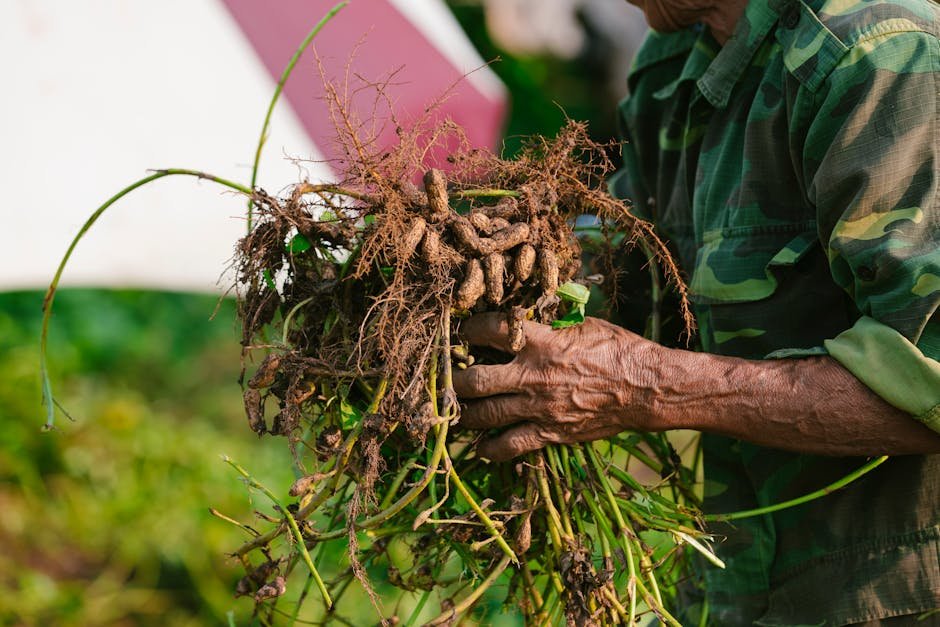
What the study found Peanut responses to silicon depended on which nitrogen-fixing microbe was applied. The study found significant interactions between silicon and microbial inoculation for total biomass, harvest index, pod traits, and seed yield, while root structural traits did not respond significantly. Why the authors say this matters The authors conclude that silicon management…
Kocho-derived Lactobacillus strains showed probiotic and safety-related traits
What the study found Some lactic acid bacteria isolated from Ethiopian kocho showed acid tolerance, bile resistance, pathogen inhibition, and genomic features consistent with probiotic potential. The identified strains were six Lactiplantibacillus plantarum strains and one Levilactobacillus brevis strain. Why the authors say this matters The authors conclude that these findings support the suitability of…
CAM photosynthesis may have aided early Triassic plant survival
What the study found The study finds that Early Triassic lycophytes, which were among the first plants to colonize stressed landscapes after the Permian-Triassic mass extinction, had traits suggesting survival under extreme conditions. The authors identify CAM photosynthesis, or crassulacean acid metabolism, as a possible mechanism behind this advantage. Why the authors say this matters…

Molybdenum improved soybean nodulation and seed yield
What the study found Molybdenum fertilization improved soybean nodulation and seed yield under field conditions, with the highest level tested giving the strongest overall response. The study reports that 52.5 ppm molybdenum increased plant height, pod number, and seed yield, while 42.0 ppm brought earlier flowering. Why the authors say this matters The authors conclude…

Urban precision fermentation may suit circular food production
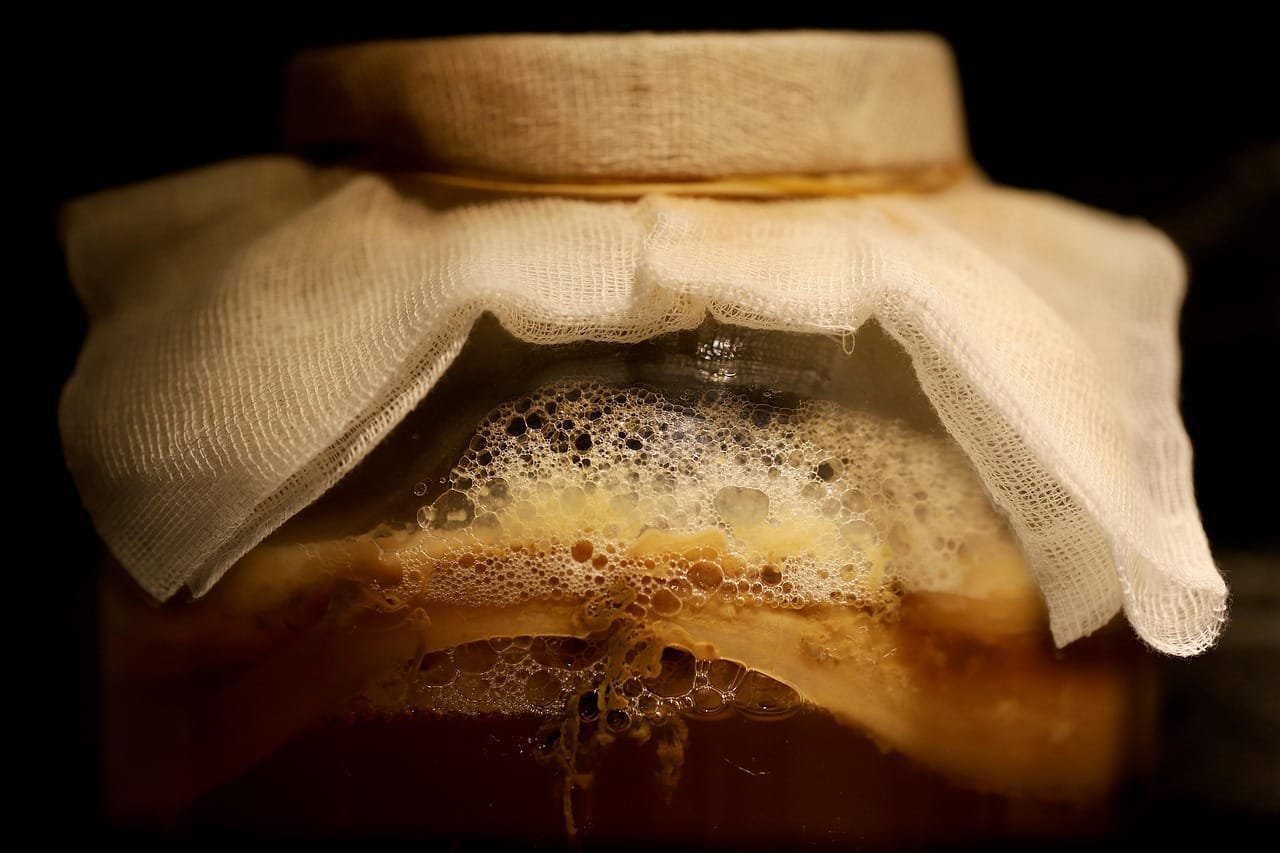
Research exploring precision fermentation for urban dairy production in Amsterdam, examining technical feasibility and societal requirements for decentralized novel food technologies.