Tag: Ecology, Evolution, Behavior and Systematics

Earliest octopuses were large Cretaceous top predators
What the study found The study identifies the earliest finned octopuses, a group called Cirrata, as invertebrate top predators from Late Cretaceous oceans. The authors report that these animals may have reached about 7 to 19 meters in total length and could have rivaled giant marine reptiles in size. Why the authors say this matters…

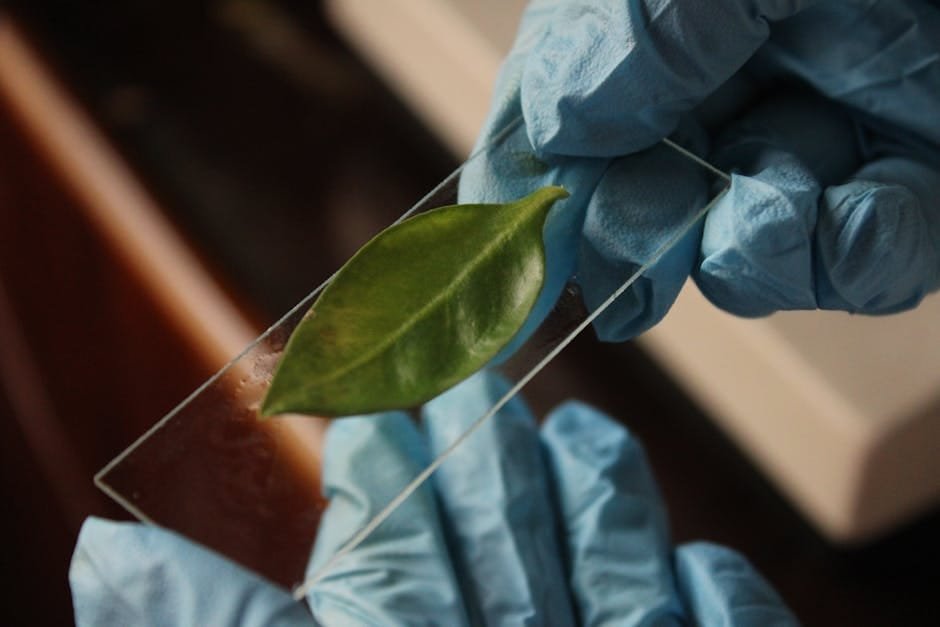
CAM photosynthesis may have aided early Triassic plant survival
What the study found The study finds that Early Triassic lycophytes, which were among the first plants to colonize stressed landscapes after the Permian-Triassic mass extinction, had traits suggesting survival under extreme conditions. The authors identify CAM photosynthesis, or crassulacean acid metabolism, as a possible mechanism behind this advantage. Why the authors say this matters…

Coastal food web changed over 125 years but kept stable trophic structure
—
in EcologyHistorical species composition data reveal how a coastal food web changed structurally over 125 years while maintaining stable trophic organization and energy transfer efficiency.

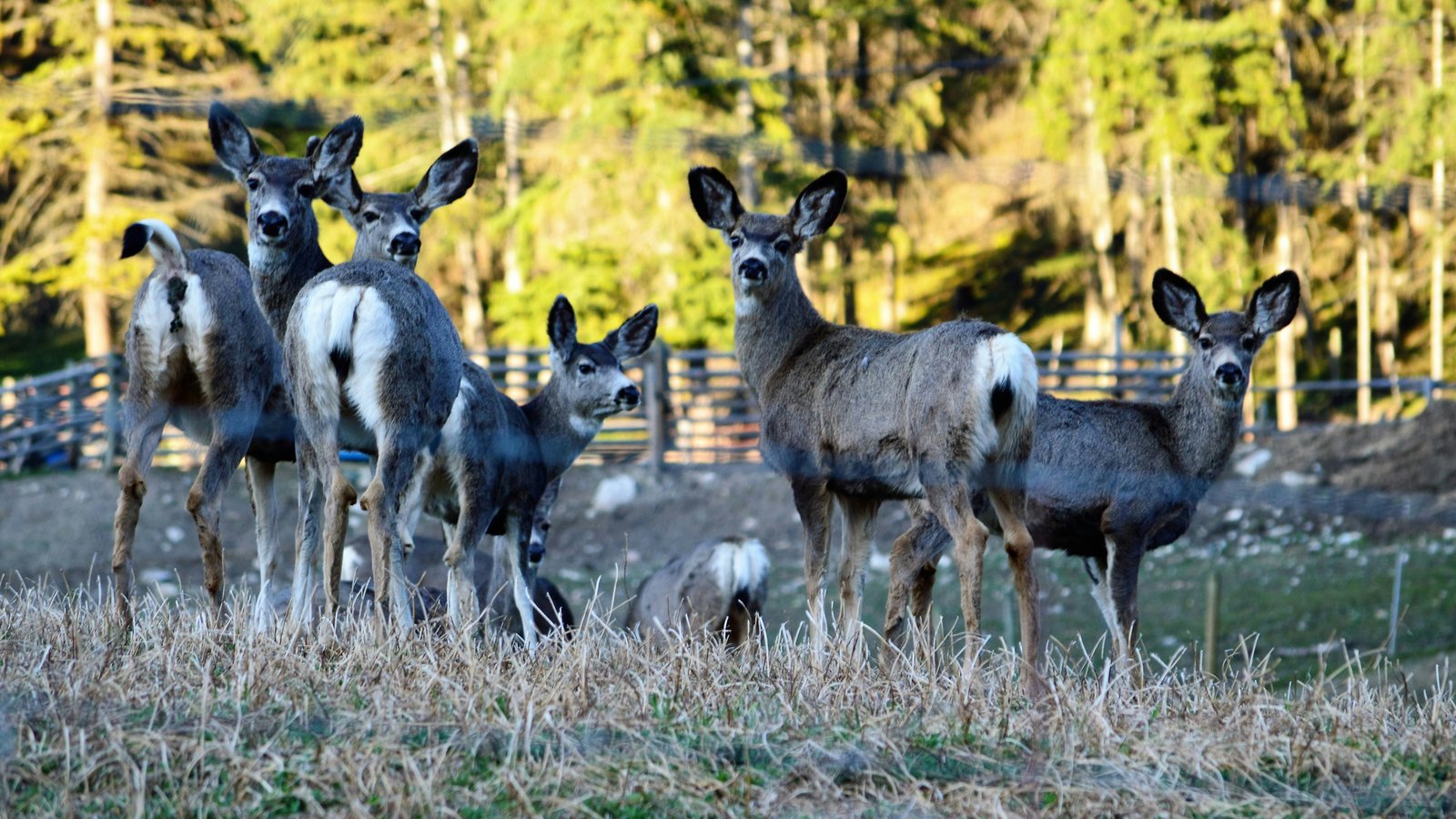
Rapid evolution predicted recovery after drought
Wild plant populations evolve rapidly during drought, and genetic variation at adaptive loci predicts demographic recovery. Study demonstrates evolutionary rescue in natural conditions.

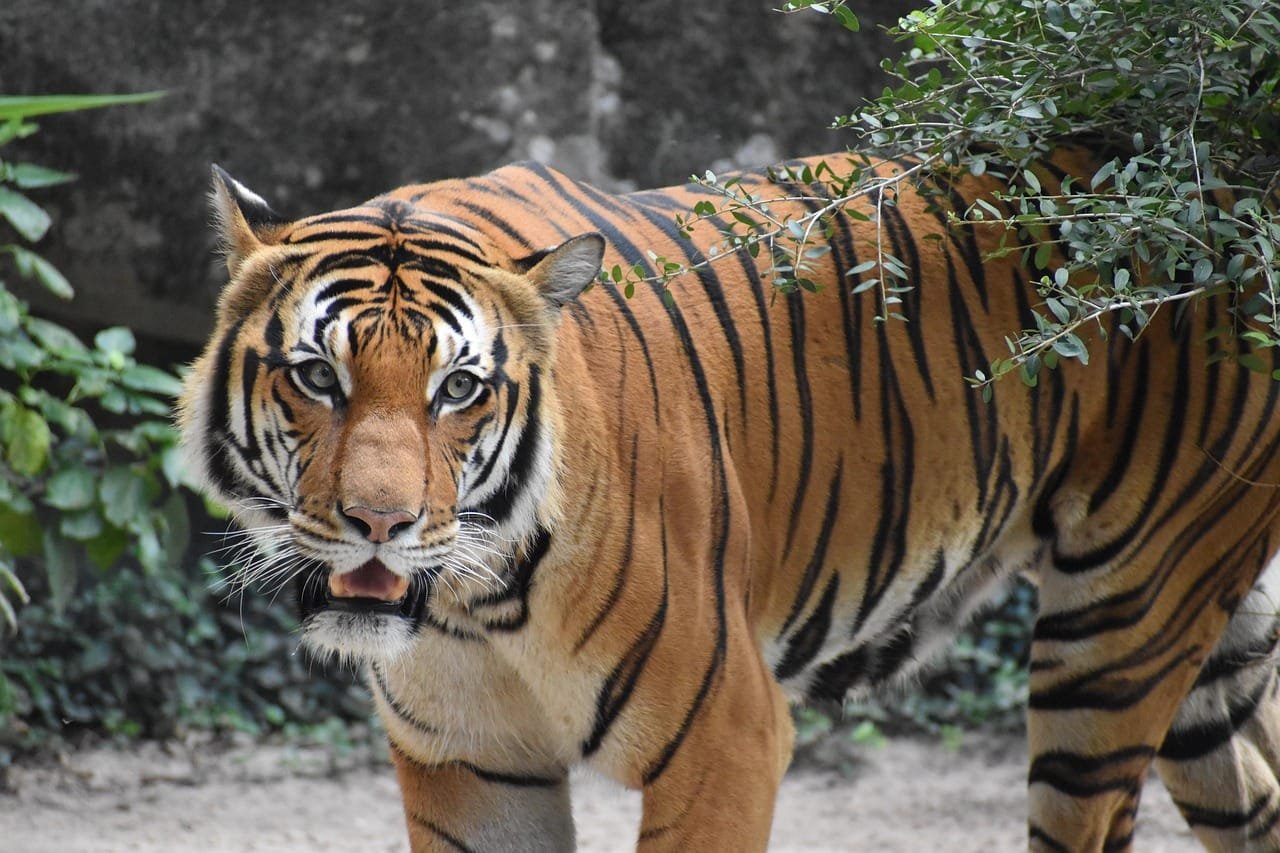
Human disturbance changes predator-prey overlap only in some body size pairs
—
in EcologyMeta-analysis of 480 predator-prey dyads reveals human disturbance restructures temporal niche partitioning according to body mass ratios, with differential consequences for large and small species.

Flower and leaf traits are linked across a continuum
—
in EcologyFlowers exhibit coordinated water and carbon economy traits with leaves across 245 species spanning Arctic to tropical latitudes, indicating integrated ecophysiological strategies.

Bat activity at Vietnamese wind turbines was highest in warmer months
—
in EcologyStudy establishing baseline acoustic monitoring data for bat activity at a Vietnamese wind farm, documenting 11 species and seasonal patterns to inform fatality mitigation strategies in Southeast.

Global bee species richness estimated at 24,705-26,164
Study reveals global bee species richness estimates of 24,705-26,164 species, with 18-25% undescribed diversity concentrated in Asia, Africa, and the Americas, highlighting geographic taxonomic gaps.