Tag: Atmospheric Science

EMAC model matches many observed global hydrogen cycles
EMAC earth system model accurately simulates global atmospheric hydrogen dynamics, achieving correlation coefficients exceeding 0.9 at remote polar stations against observational data.

Climate change intensified Valencia’s 2024 flash flood rainfall
Attribution study shows anthropogenic climate change amplified extreme rainfall and flash flooding in Valencia, October 2024, increasing 6-hour rainfall by 21% and affected area by 55%.

Rocket chlorine may slightly slow ozone recovery
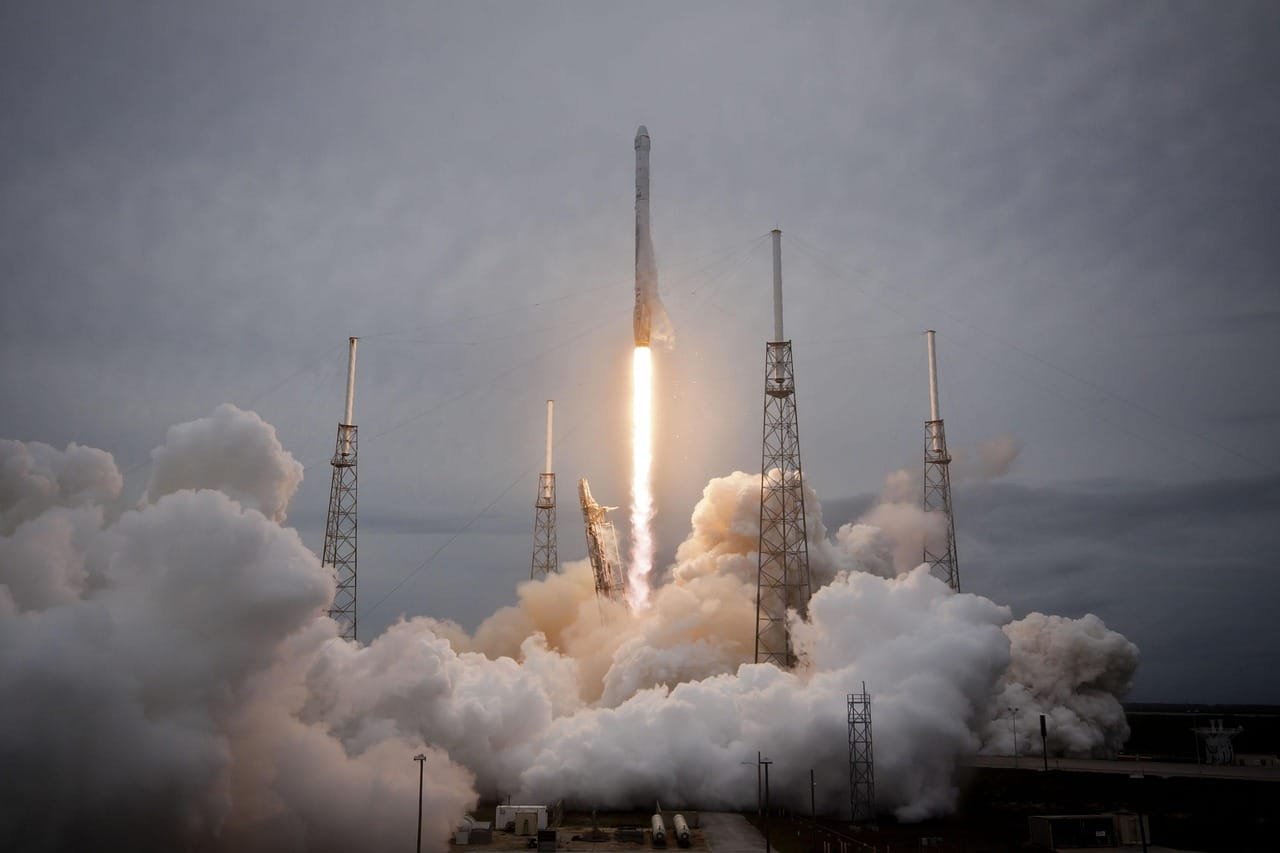
Study models how expanded rocket launches could impact stratospheric ozone recovery, finding that 10-52 fold increases in chlorine emissions would cause modest but measurable ozone depletion.

Tropical cyclone patterns shifted across basins from 1950 to 2024
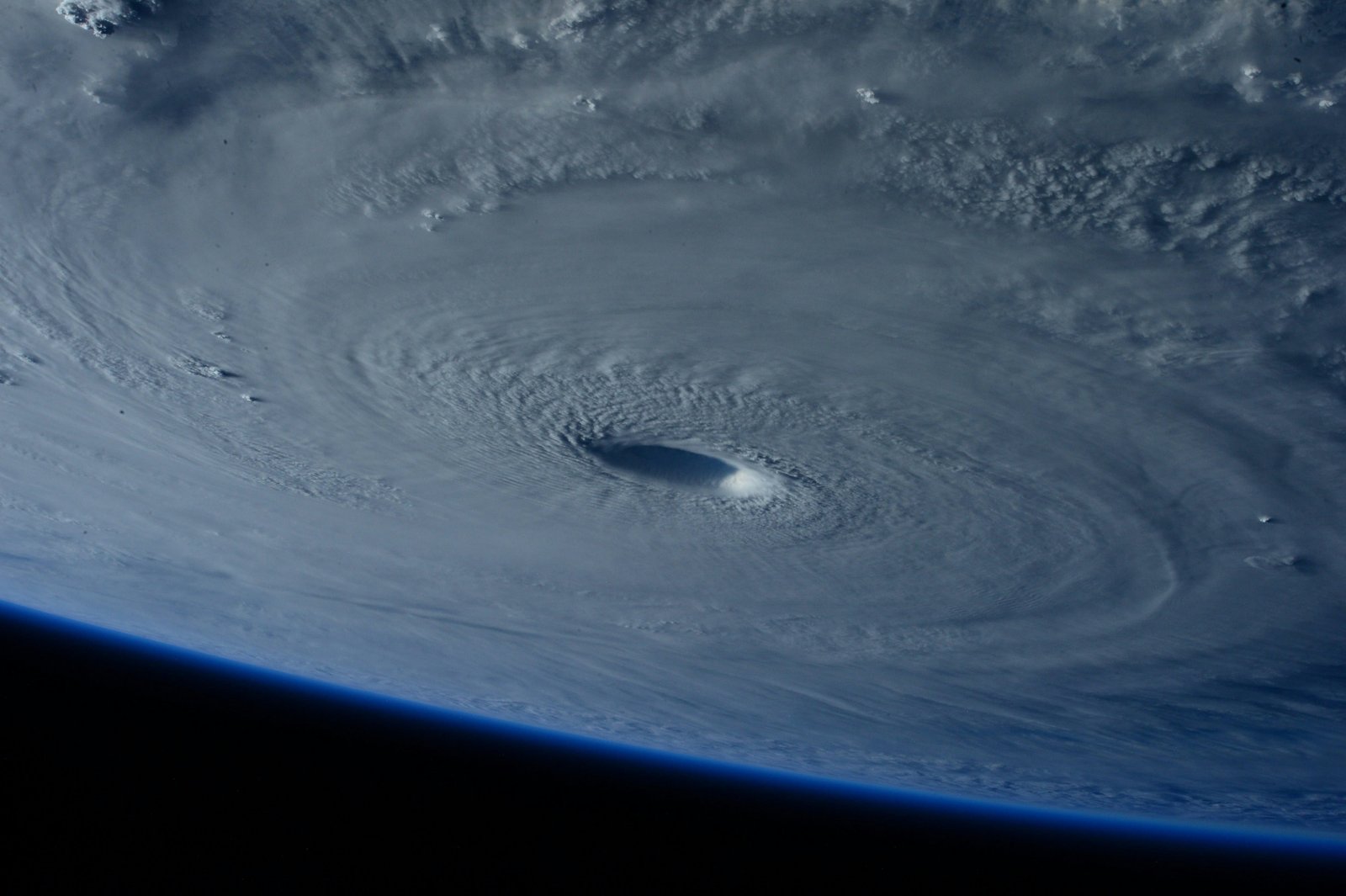
75-year analysis reveals regional tropical cyclone patterns shift with climate phases, with highest activity in the Western Pacific and strong associations with El Niño and La Niña conditions.

Global atmospheric chlorine inventories declined over 2004–2024
21-year satellite inventory shows global atmospheric chlorine declining since 2004, though emerging short-lived substances offset some gains from CFC phase-out regulations.

Soil moisture drove vegetation change on the Qinghai-Tibetan Plateau
Soil moisture constraints override atmospheric aridity in governing vegetation dynamics across the warming Qinghai-Tibetan Plateau, with regional variation depending on basin hydrogeography.

Ozone formation shifted by season in Guanzhong Basin
Analysis of warm-season ozone and secondary aerosol formation in the Guanzhong Basin reveals sub-seasonal regime shifts, with traffic and industrial emissions driving both pollutants.

UKESM misses key marine aerosol formation pathways
Evaluation of UKESM1.1 against ATom aircraft data reveals missing marine aerosol formation pathways involving iodine, amines, and organic vapours in remote regions.

PFAS aerosols concentrated in fine particles under chamber conditions
Controlled chamber study of PFAS aerosol formation reveals size-dependent inhalation deposition patterns. Most PFAS show fine-mode aerosols with peaks at 0.3 micrometers, while bacterial seed.

Aerosol mixing state differed between inland and coastal sites
Entropy-based analysis of aerosol mixing state and CCN activity reveals distinct seasonal and geographic patterns, with heightened sensitivity in externally-mixed regimes at inland and coastal sites.