Tag: Astronomy and Astrophysics

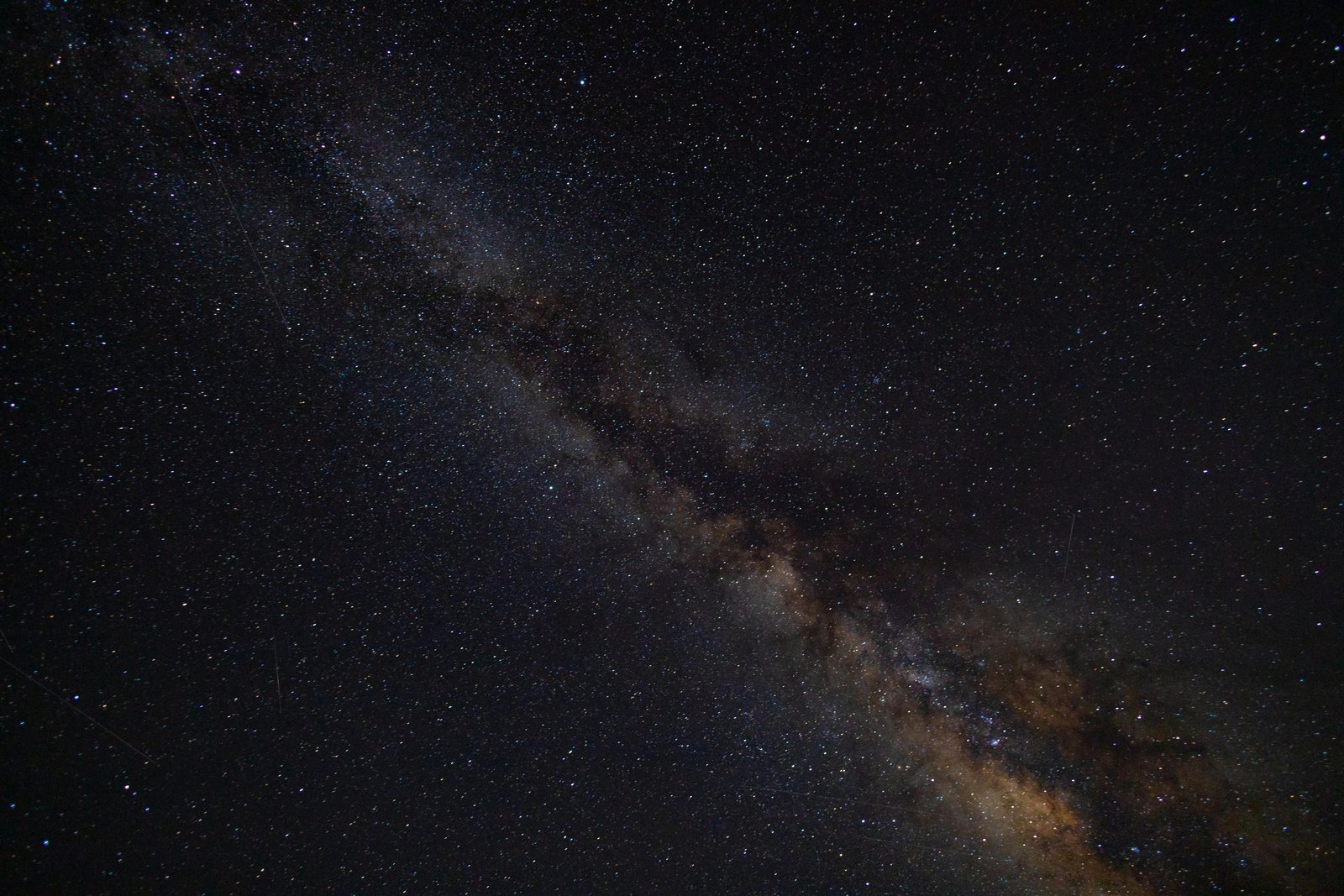
SDSS-V catalogs Milky Way halo stars with new parameter pipeline
—
in AstronomySDSS-V all-sky spectroscopic survey produces validated stellar parameter catalog enabling discovery of distant halo substructures and chemically peculiar stars across the Milky Way.

Magnetic charge changes orbits and waveforms near regular black holes
—
in AstrophysicsStudy explores how magnetic charge in regular black holes alters gravitational waveforms from periodic orbits, offering new constraints on black hole properties through gravitational wave.

DM Tau disk shows non-thermal line broadening
—
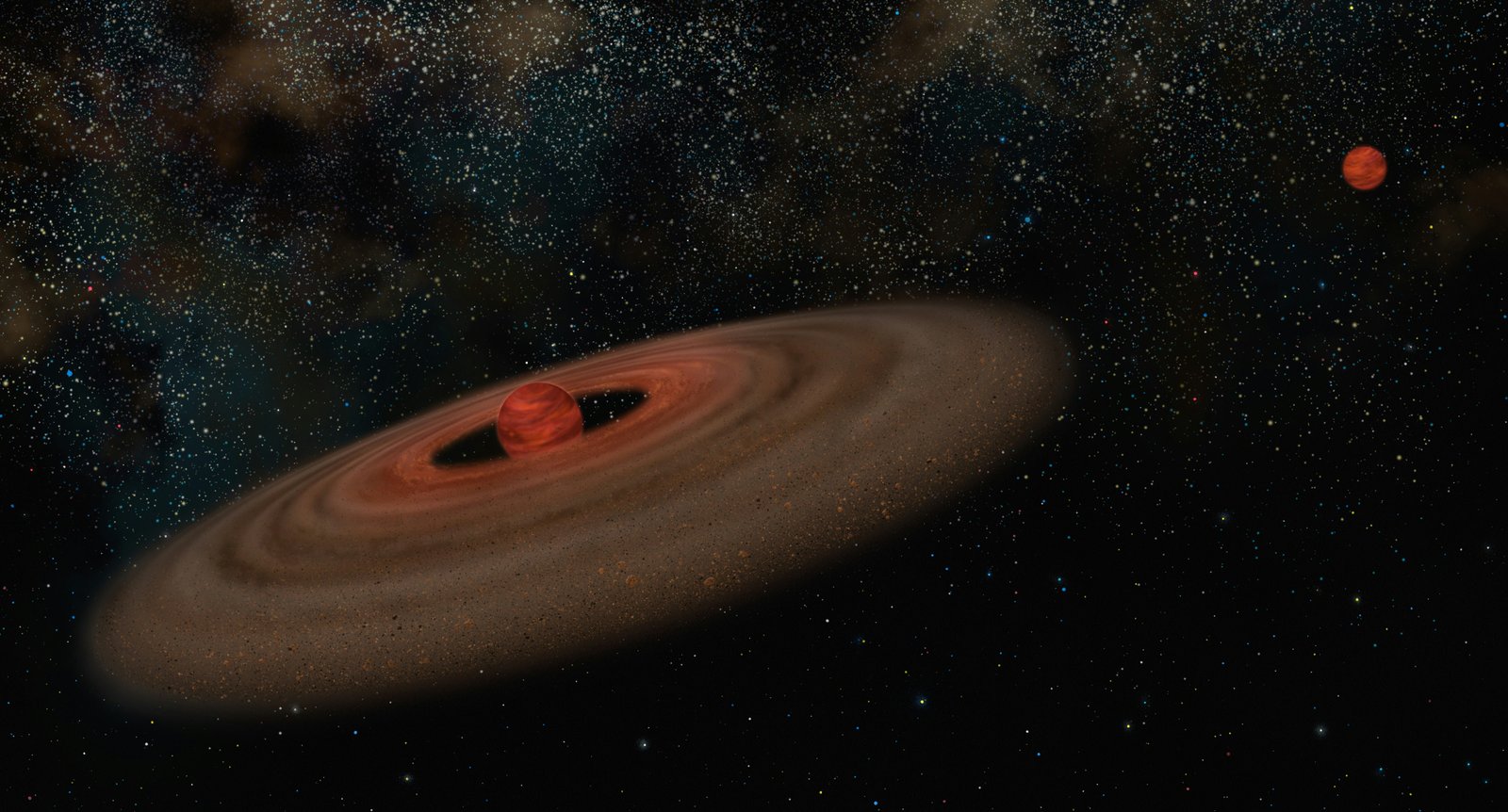
in AstrophysicsBayesian analysis of molecular line observations confirms nonthermal broadening of 0.4 sound speeds in the DM Tau protoplanetary disk, providing evidence for turbulence.

Deep Chandra observations of a relaxed z = 1.16 galaxy cluster
—
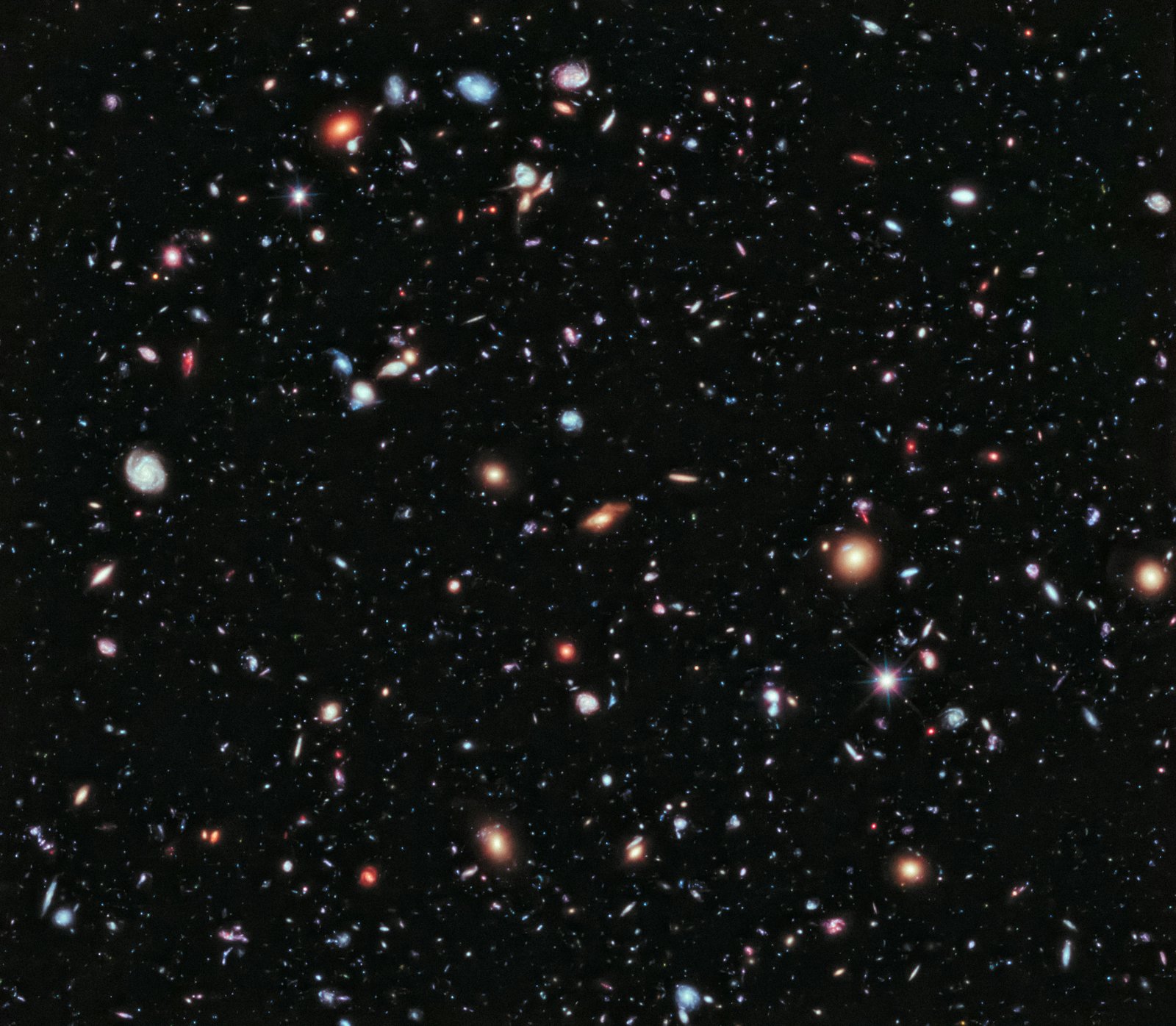
in AstrophysicsChandra X-ray observations of SPT-CL J2215-3537 resolve the cool core of this z = 1.16 relaxed galaxy cluster, establishing a high-redshift benchmark for cluster evolution studies.

Supermassive stars may match JWST little red dot spectra
—
in AstrophysicsSupermassive star models reproduce spectral signatures of JWST little red dots, suggesting these compact sources may be progenitors of the first supermassive black holes.

Te atomic data modeled for kilonova spectral studies
—
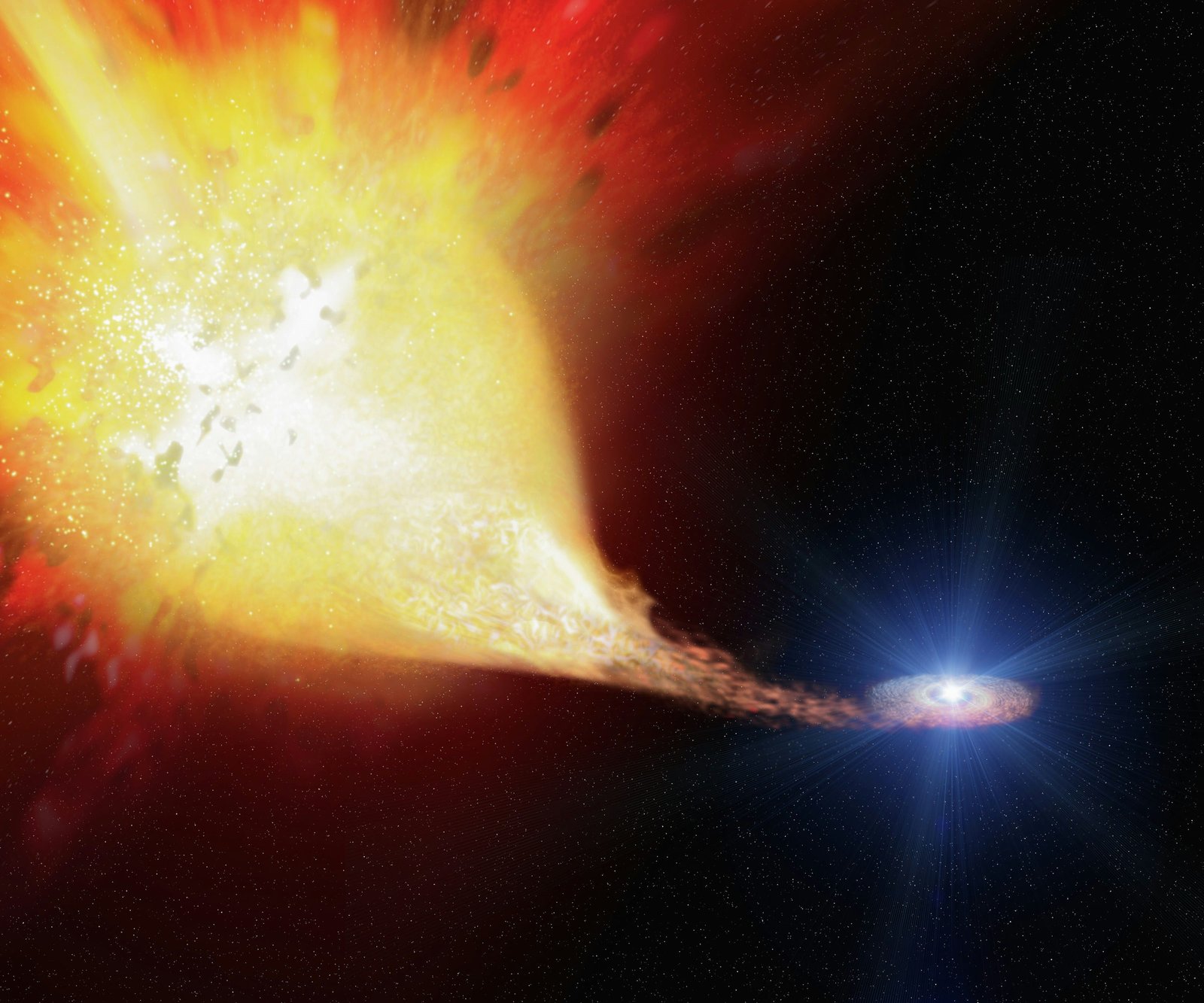
Comprehensive R-matrix atomic data for tellurium ions improves kilonova spectral modeling, identifying Te iv contributions to AT2017gfo emission features and advancing neutron star merger.

RUBIES finds many massive quiescent galaxies at 2 < z < 5
—
in AstrophysicsSpectroscopic observations confirm that massive quiescent galaxies were surprisingly common at redshifts 2-5, challenging galaxy formation simulations.

Relativistic effects change synchrotron shock modeling accuracy
—
in AstrophysicsNumerical model reveals that simplified approximations for synchrotron emission from relativistic shocks can be inaccurate by over an order of magnitude, biasing inferred properties of transients.

Milky Way circular velocity measured from stellar abundances
—
in AstrophysicsA new data-driven method measures the Milky Way’s circular velocity using element abundance gradients, deriving rotation parameters at the solar radius.

SLAM estimates stellar parameters for BOSS M dwarfs
—
in AstronomyStellar parameters for SDSS-V M dwarfs derived using data-driven support vector regression on BOSS spectra, validated against multiple benchmarks with quantified systematic offsets.