

What the study found
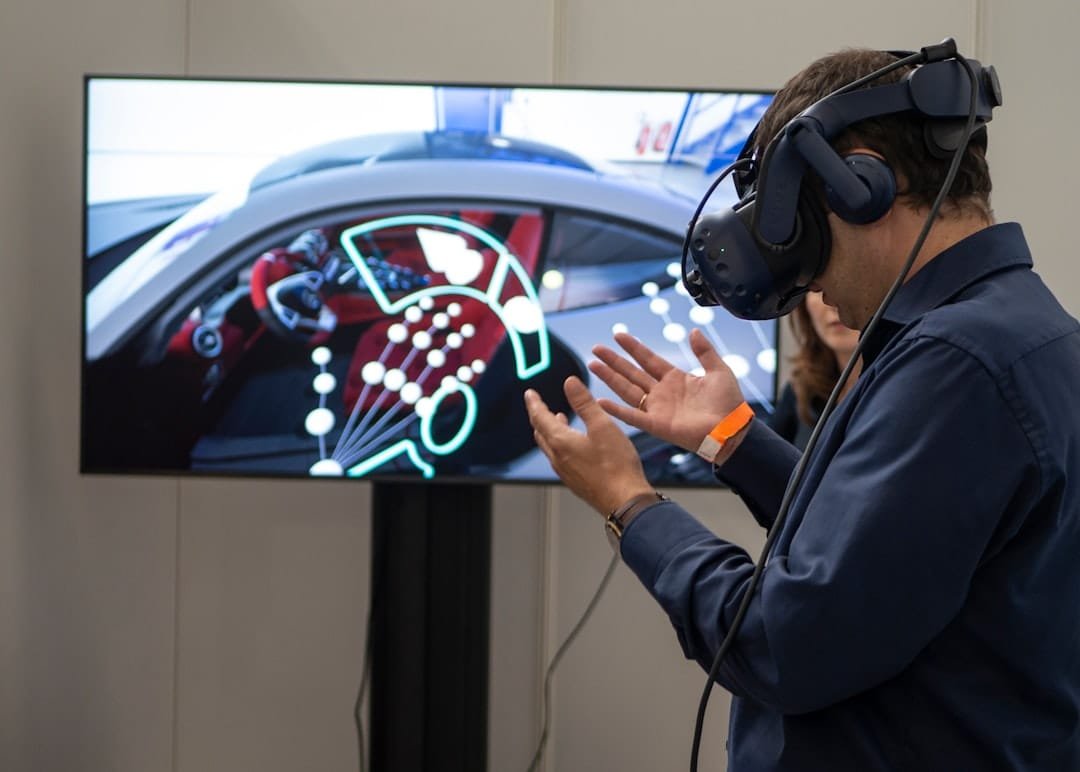
Multisensory stimuli in virtual reality (VR) fire-safety education reduced learners' intrinsic cognitive load, and immersive VR improved learning motivation compared with desktop VR. The study also found an interaction between physical fidelity and immersion level for long-term retention of conceptual knowledge and satisfaction.
Why the authors say this matters
The authors conclude that adding multisensory stimuli, such as smell and touch, to VR may improve the quality of learning experiences. They also state that their findings have implications and value for using multisensory stimuli and VR technology in education.
What the researchers tested
The researchers ran a two-by-two factorial experiment with 120 Chinese university students. They compared physical fidelity, defined here as multisensory stimuli versus no multisensory stimuli, and immersion level, meaning immersive VR versus desktop VR, in VR-based fire-safety education.
What worked and what didn't
Multisensory stimuli significantly reduced intrinsic cognitive load. Immersive VR outperformed desktop VR for learning motivation, especially attention, relevance, and satisfaction. Physical fidelity and immersion level showed significant interaction effects on long-term retention of conceptual knowledge and satisfaction, and combining multisensory stimuli with immersive VR improved quality of experience.
What to keep in mind
The abstract does not describe limitations beyond noting that previous research on immersion level has had conflicting findings and that interaction effects have been underexplored. The summary provided does not report detailed statistics, effect sizes, or information about other educational settings.
Key points
- Multisensory stimuli in VR reduced intrinsic cognitive load.
- Immersive VR increased learning motivation compared with desktop VR.
- Physical fidelity and immersion level interacted for long-term conceptual knowledge retention and satisfaction.
- Combining multisensory stimuli with immersive VR improved quality of experience.
- The experiment involved 120 Chinese university students in VR-based fire-safety education.
Disclosure
- Research title:
- Multisensory immersive VR improved some fire-safety learning outcomes
- Publication date:
- 2026-02-24
- OpenAlex record:
- View
Get the weekly research newsletter
Stay current with peer-reviewed research without reading academic papers — one filtered digest, every Friday.