

AI Summary of Peer-Reviewed Research
This page presents an AI-generated summary of a published research paper. The original authors did not write or review this article. See full disclosure ↓
Publication Signals show what we were able to verify about where this research was published.STRONGWe verified multiple publication signals for this source, including independently confirmed credentials. Publication Signals reflect the source’s verifiable credentials, not the quality of the research.
- ✔ Peer-reviewed source
- ✔ Published in indexed journal
- ✔ No retraction or integrity flags
Key findings from this study
- The study found that faecal microbiome composition in Sus populations is primarily shaped by diet and lifestyle rather than host domestication status alone.
- The researchers identify two structurally and functionally distinct microbial community types representing alternative homeostatic states in wild versus domesticated Sus.
- The study compiled a curated catalogue of carbohydrate-degrading taxa present in the Sus faecal microbiome that can inform probiotic design for dietary transitions.
Overview
Metagenomic analysis of wild boar faecal samples revealed previously uncharacterized microbial diversity within Sus populations. The study identified structural and functional differences between microbial communities in wild and domesticated animals, attributing these differences to diet and lifestyle factors rather than host genetics alone.
Methods and approach
The researchers conducted metagenomic sequencing of faecal samples from wild and domesticated Sus populations. Analysis identified distinct microbial community types and functionally characterized carbohydrate-degrading taxa through comparative genomic approaches.
Results
Metagenomic analysis distinguished two microbial community types differing in both structure and functional capacity between wild and domesticated Sus populations. These alternative states of microbiome homeostasis reflect differences in dietary composition and environmental exposure rather than fixed host-driven constraints.
The study identified novel microbial taxa and compiled a curated catalogue of carbohydrate-degrading organisms present within the faecal microbiome. These organisms exhibited differential abundance and functional profiles across wild versus domesticated groups, suggesting distinct roles in plant material fermentation under different nutritional conditions.
Implications
The characterization of carbohydrate-degrading taxa provides a foundation for rational selection of probiotic organisms tailored to specific dietary transitions. During shifts toward novel fibrous feedstocks, targeted supplementation with characterized degraders may improve fermentation efficiency and reduce metabolic disruption in managed Sus populations.
The recognition that microbiome composition reflects modifiable environmental factors rather than fixed host determinants suggests intervention opportunities in both wild and domesticated management contexts. Understanding the plasticity of microbial communities supports development of evidence-based dietary protocols and health management strategies responsive to changing resource availability or production objectives.
Scope and limitations
This summary is based on the study abstract and available metadata. It does not include a full analysis of the complete paper, supplementary materials, or underlying datasets unless explicitly stated. Findings should be interpreted in the context of the original publication.
Disclosure
- Research title: Metagenomic insights into the global wild boar faecal microbiome reveal novel taxa and carbohydrate degraders distinguishing wild and domesticated Sus
- Authors: Yu Chyuan Heng, Joanna Hui Xin Chua, Shaktheeshwari Silvaraju, Huan Fan, Adrian Low, Amber Ching Han Lim, Binbin Chen, L. Mane, Sumit Singh Dagar, K. Fliegerová, Giuseppe Moniello, Wakako IKEDA-OHTSUBO
- Institutions: Agharkar Research Institute, Czech Academy of Sciences, Institute of Animal Physiology and Genetics, Hiroshima Shudo University, National University of Singapore, Temasek Life Sciences Laboratory, Tohoku University, University of Sassari, Wilmar International (Singapore)
- Publication date: 2026-04-02
- DOI: https://doi.org/10.1186/s40168-026-02392-y
- OpenAlex record: View
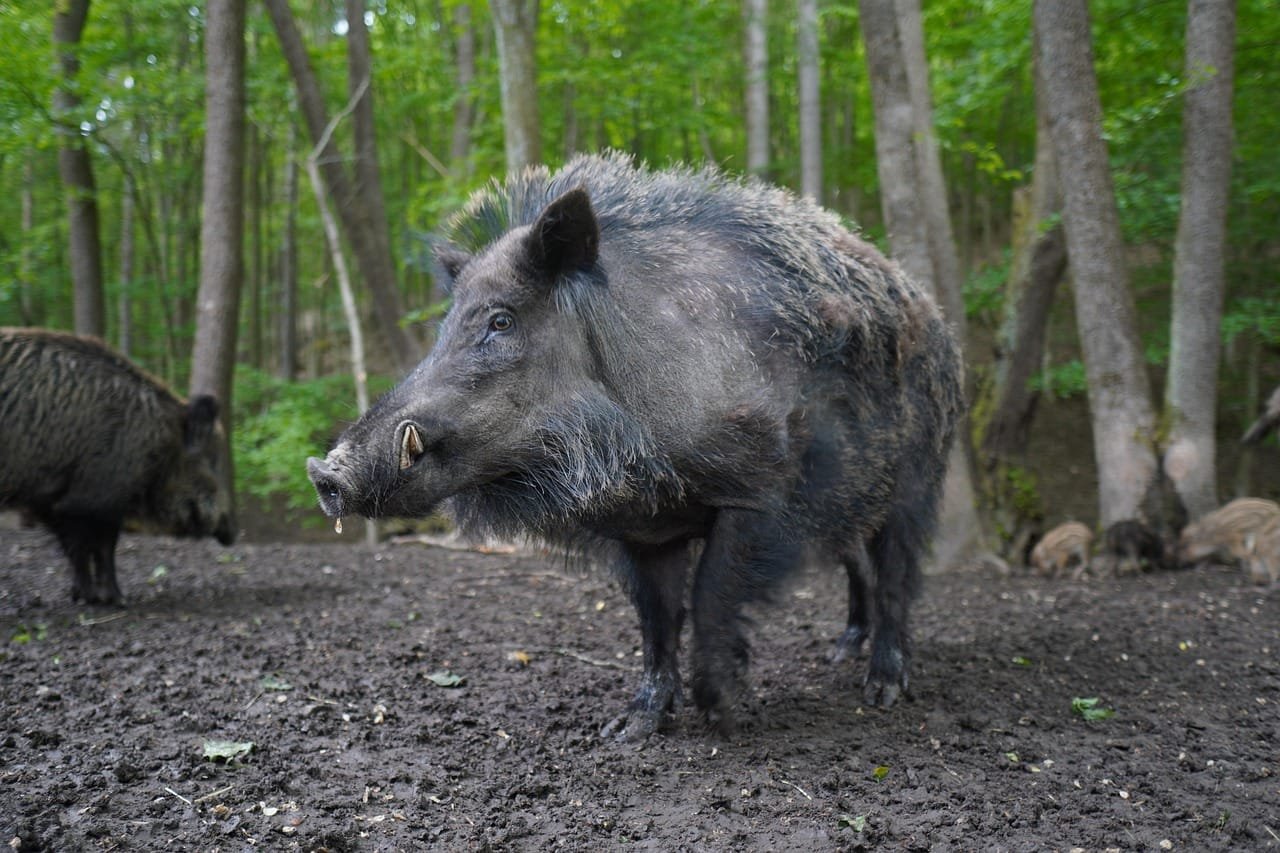
- Image credit: Photo by Mikewildadventure on Pixabay (Source • License)
- Disclosure: This post was generated by Claude (Anthropic). The original authors did not write or review this post.
Get the weekly research newsletter
Stay current with peer-reviewed research without reading academic papers — one filtered digest, every Friday.