

AI Summary of Peer-Reviewed Research
This page presents an AI-generated summary of a published research paper. The original authors did not write or review this article. See full disclosure ↓
Publication Signals show what we were able to verify about where this research was published.STRONGWe verified multiple publication signals for this source, including independently confirmed credentials. Publication Signals reflect the source’s verifiable credentials, not the quality of the research.
- ✔ Peer-reviewed source
- ✔ Published in indexed journal
- ✔ No retraction or integrity flags
Key findings from this study
- The study found that Durablank exceeded other varieties in grain zinc accumulation by over 50%, demonstrating substantial genetic variation in micronutrient acquisition.
- The researchers demonstrate that higher nitrogen rates (100 kg ha−1) improved macronutrient accumulation by 12–20% compared with lower rates (60 kg ha−1).
- The authors report that foliar zinc and sulfur applications significantly increased grain zinc concentration, particularly in zinc-efficient varieties.
- The study found significant three-way interactions between variety, nitrogen fertilization, and seasonal conditions, necessitating tailored nutrient management strategies for each genetic background.
Overview
This study evaluated how variety selection combined with precision nutrient management affects grain nutritional quality in durum wheat. The research integrated three variables—genetic diversity among cultivars, nitrogen and micronutrient fertilization strategies, and seasonal environmental conditions—to assess macro- and micronutrient accumulation alongside protein content and yield.
Methods and approach
Researchers compared three durum wheat varieties (Durablank, MV Pelsodur, GK Julidur) across two growing seasons with differing precipitation patterns. Treatments included nitrogen fertilization at 60 or 100 kg ha−1 and foliar applications of zinc and sulfur. Grain samples were analyzed for calcium, magnesium, potassium, zinc, and protein concentration. Statistical analysis included variety, fertilization, and season as main factors with interaction testing.
Results
Grain mineral composition differed substantially among varieties, with Durablank accumulating 50.87% more zinc (34.70 mg kg−1) than either MV Pelsodur or GK Julidur (both ~23 mg kg−1). Seasonal conditions significantly influenced nutrient profiles: drought stress in 2022 elevated zinc concentrations while the wetter 2023 season promoted magnesium and potassium accumulation. Nitrogen application at 100 kg ha−1 increased macronutrient accumulation by 12–20% relative to 60 kg ha−1.
Foliar zinc and sulfur applications enhanced grain zinc concentration, with efficiency varying by variety. A yield–protein trade-off emerged across varieties: MV Pelsodur achieved 14.3% protein at higher yields while Durablank maintained 16.8% protein at moderate yields. Significant three-way interactions between variety, nitrogen rate, and season (p < 0.01) indicate that optimal nutrient management differs across genetic backgrounds and environmental contexts.
Implications
The results establish that grain nutritional quality in durum wheat responds predictably to simultaneous manipulation of genetic resources and nutrient inputs. This system-level integration offers potential for improving mineral and protein density without requiring exclusive reliance on high-yielding or nutrient-dense varieties alone. Breeders and agronomists can leverage variety-specific nutrient responses to tailor management recommendations for target environments and production objectives.
The strong variety × nitrogen × season interactions suggest that static fertilization recommendations may not maximize nutritional outcomes across diverse growing conditions. Region-specific or season-responsive nutrient strategies calibrated to local variety performance become critical for consistent grain quality improvement. Climate variability intensifies the need for this adaptive management framework as precipitation patterns shift.
Scope and limitations
This summary is based on the study abstract and available metadata. It does not include a full analysis of the complete paper, supplementary materials, or underlying datasets unless explicitly stated. Findings should be interpreted in the context of the original publication.
Disclosure
- Research title: Harnessing Genetic Diversity and Precision Nutrient Management for Nutrient-Dense, Climate-Resilient Durum Wheat (Triticum turgidum L. var. durum) in a System-Level Approach
- Authors: Anteneh Agezew Melash, Gashaw Gismu Chakilu, Amare Assefa Bogale, Éva Babett Ábrahám
- Institutions: Debark University, Magyar Agrár- és Élettudományi Egyetem, University of Debrecen
- Publication date: 2026-03-30
- DOI: https://doi.org/10.3390/seeds5020021
- OpenAlex record: View
- PDF: Download
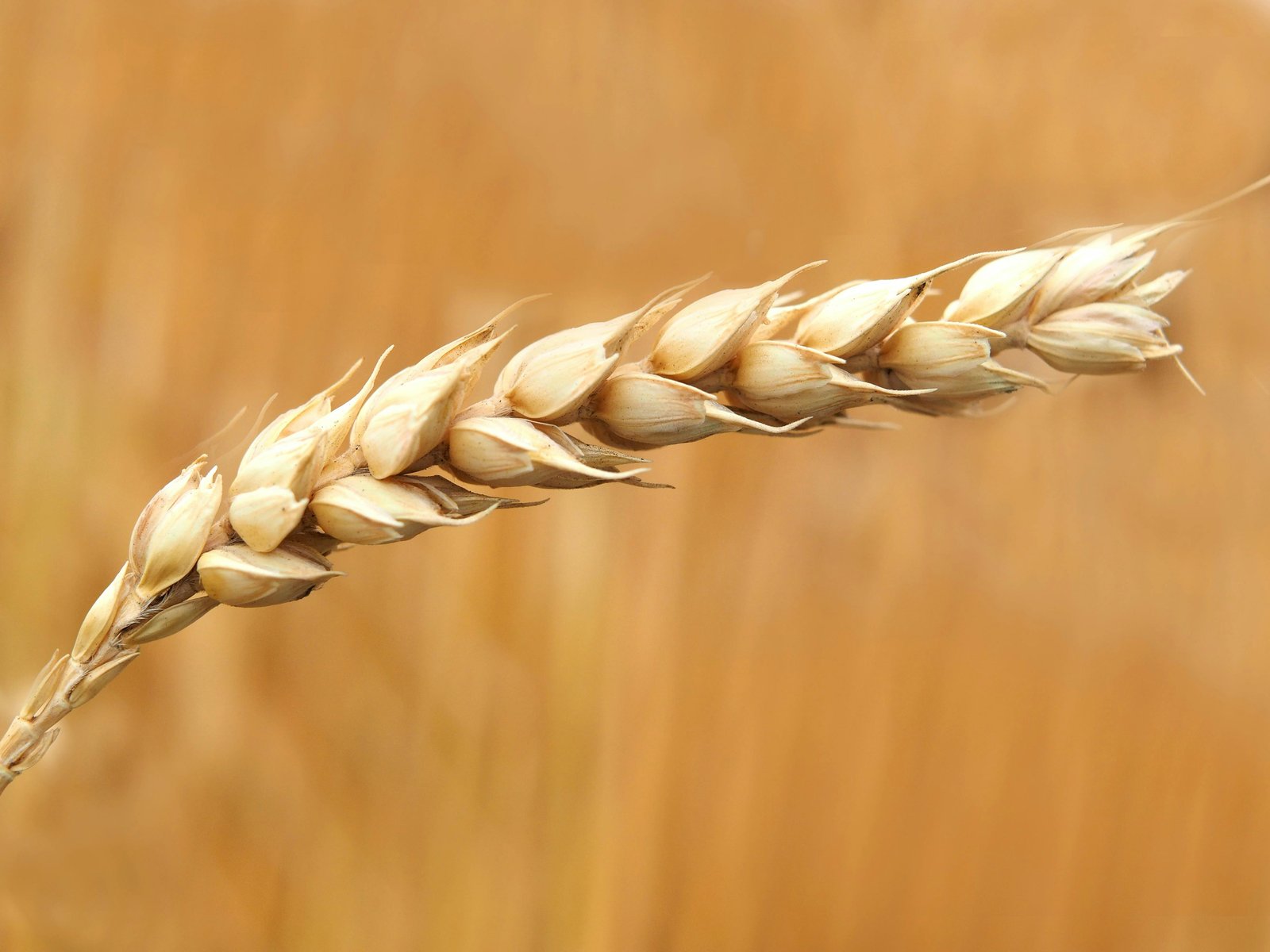
- Image credit: Photo by Pixabay on Pexels (Source • License)
- Disclosure: This post was generated by Claude (Anthropic). The original authors did not write or review this post.
Get the weekly research newsletter
Stay current with peer-reviewed research without reading academic papers — one filtered digest, every Friday.