Category: Environmental Science

Redistributing leftover lasagna had the lowest environmental impacts
Life cycle assessment of Italian lasagna compares environmental impacts of food waste management methods, finding digital redistribution platforms most effective at reducing impacts.

Nature-inclusive urban development showed mixed social effects
Study of Harbin’s nature-inclusive urban development finds original residents experienced well-being declines and lower fairness perceptions despite economic gains, highlighting gentrification risks.

Green celebration practices linked to stronger green values
Cross-sectional study examining how green practices at family celebrations in Indian urban districts influence environmental values, finding food and waste management practices most effective.

Deep-learning fluorescence array quantified multiple PFAS in water
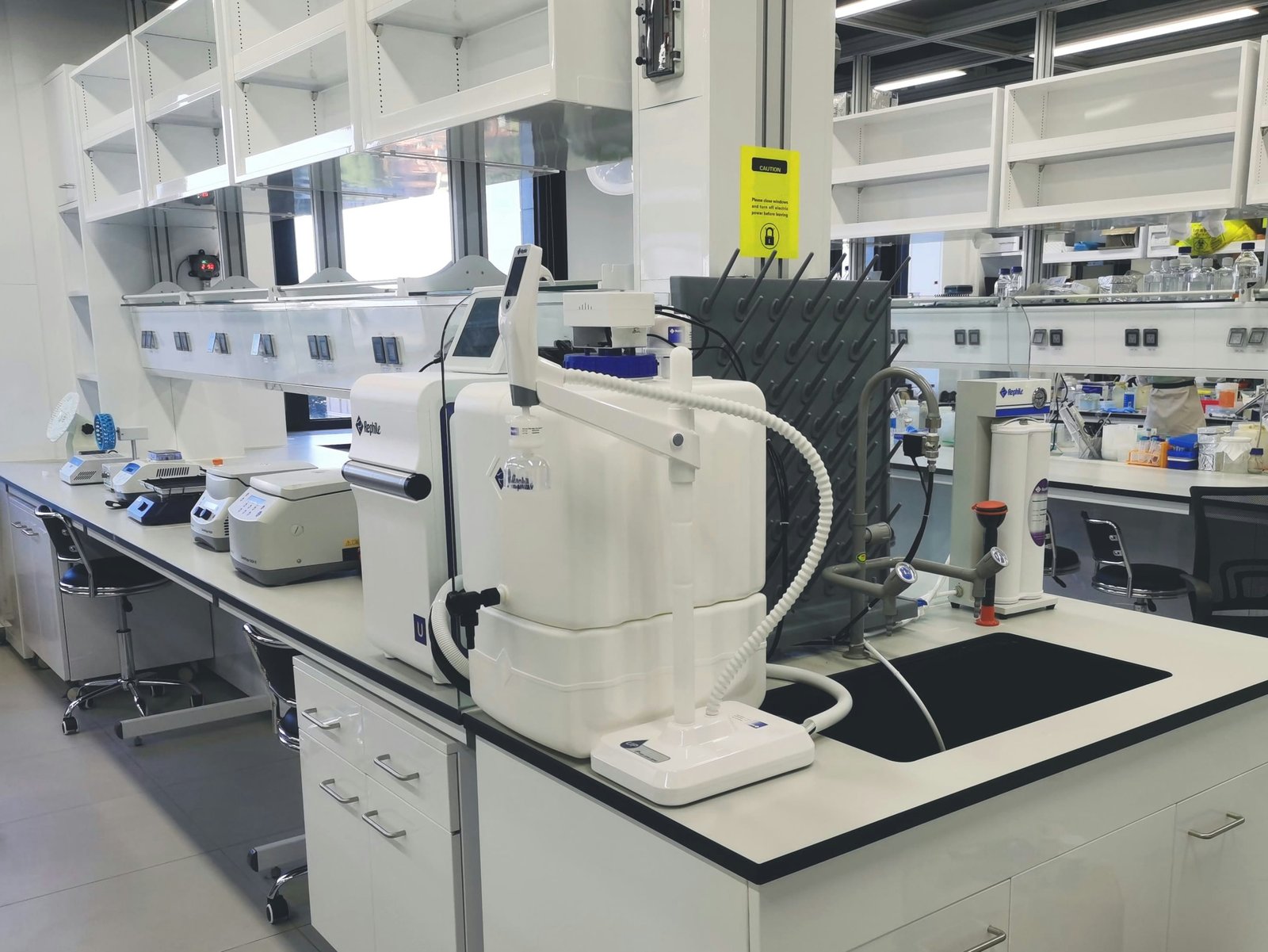
A fluorescence sensor array combined with deep learning quantifies multiple PFAS contaminants in water samples simultaneously, providing rapid screening for environmental monitoring.

Croplands cool nights but have mixed daytime effects in tropical Africa
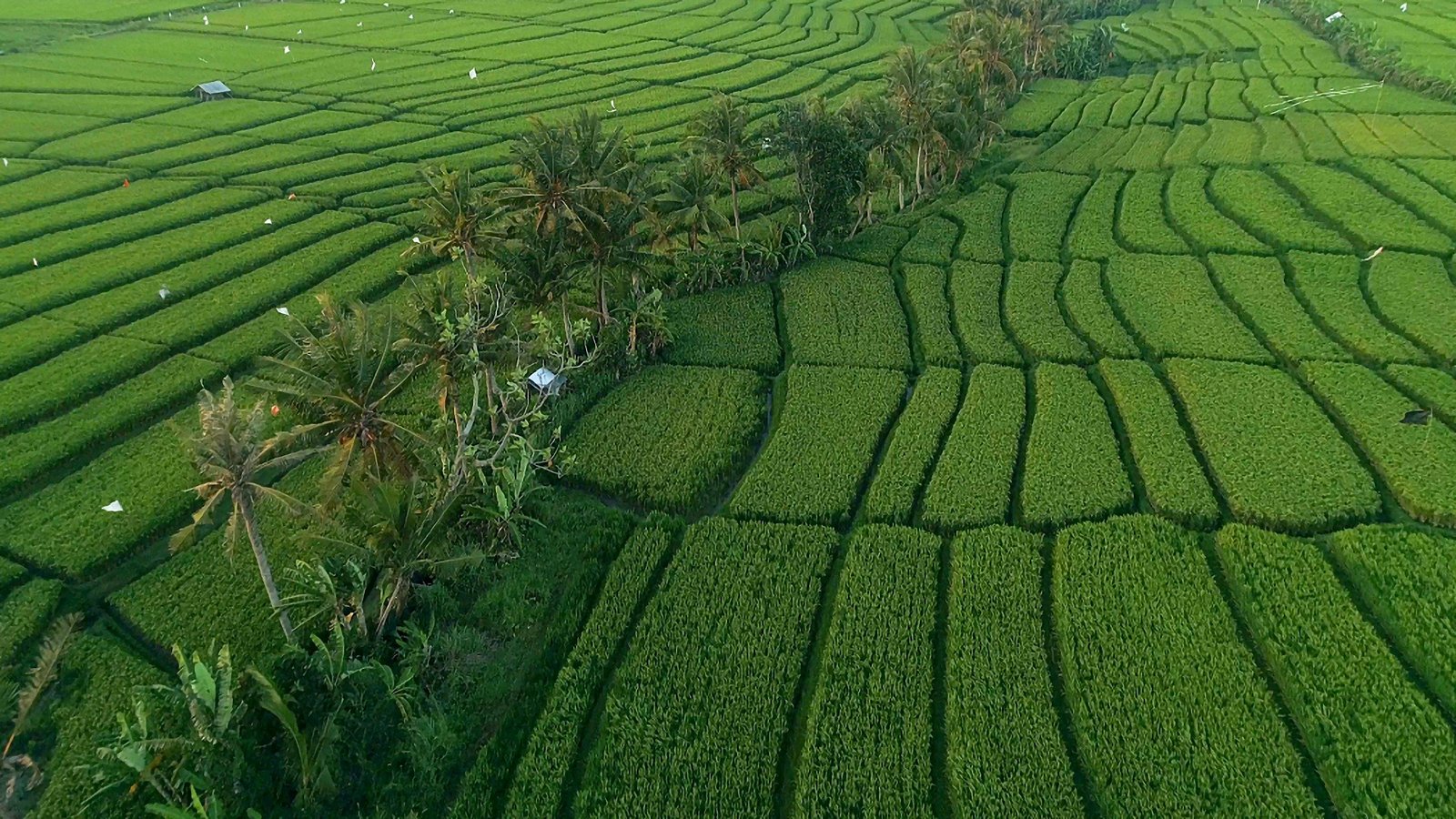
Cropland expansion across tropical Africa produces nighttime cooling but hydroclimatically-dependent daytime effects, driven by turbulent heat flux changes tied to vegetation differences.

Chicago air-quality monitors are unevenly distributed across the city
Study reveals severe spatial disparities in Chicago’s air quality monitoring, with affluent areas over-monitored and minority communities facing undetected PM2.5 pollution hotspots.

Global eddy covariance towers cluster on more fertile soils
Global eddy covariance tower network analysis reveals spatial clustering and systematic bias toward fertile soils, potentially limiting representativeness of ecosystem-atmosphere interaction studies.

Graph neural networks identified flood-vulnerable river segments
Graph neural network framework for assessing flood vulnerability in river basins. Identifies high-risk segments and flood-prone sub-basins by combining hydrological attributes with network topology.

Industrialization and ICT raise CO₂ emissions in China
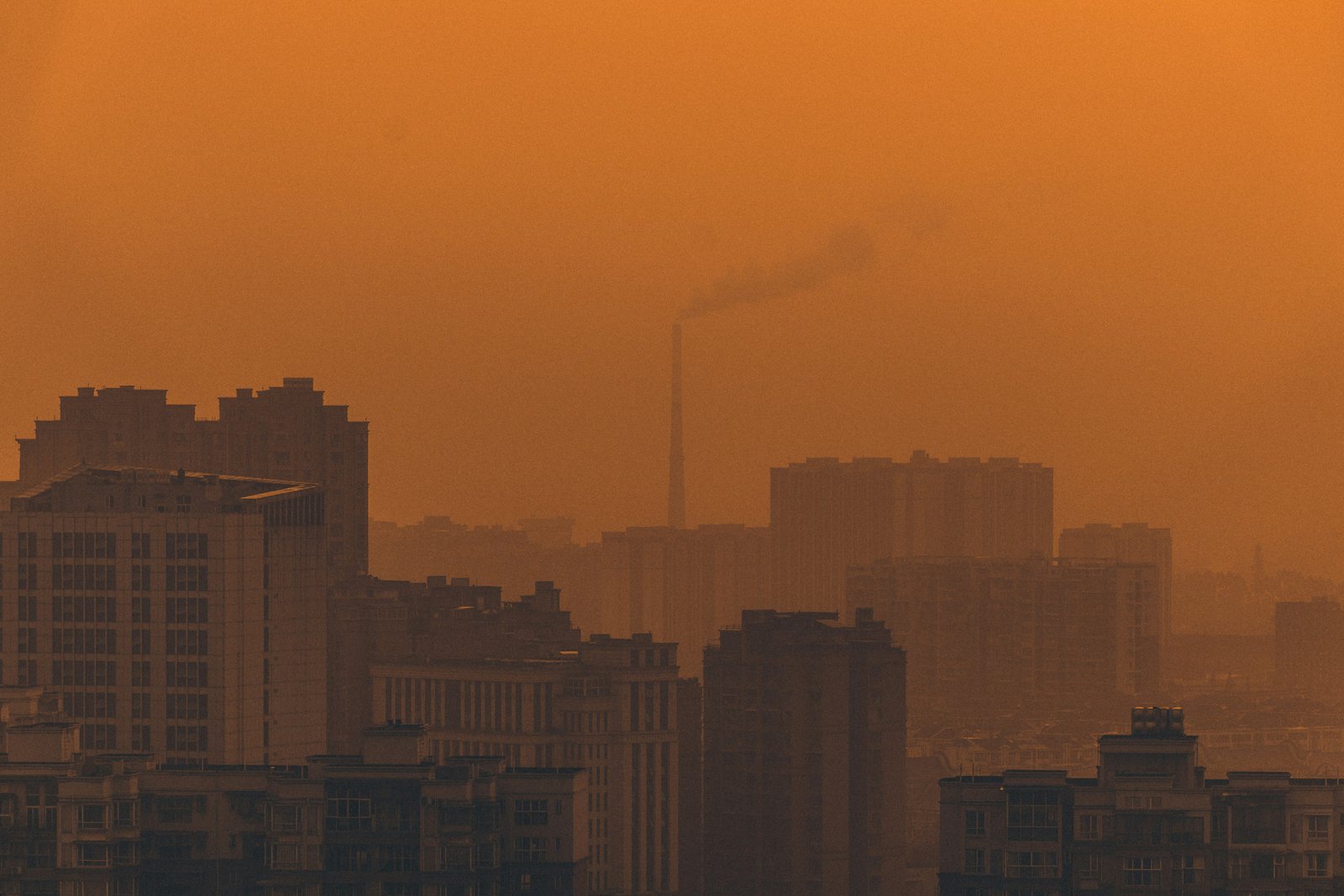
Wavelet analysis reveals industrialization and ICT increase CO2 emissions in China, while financial development and renewables offer decarbonization pathways for carbon neutrality.

Local human disturbances suppress potential coral climate refugia
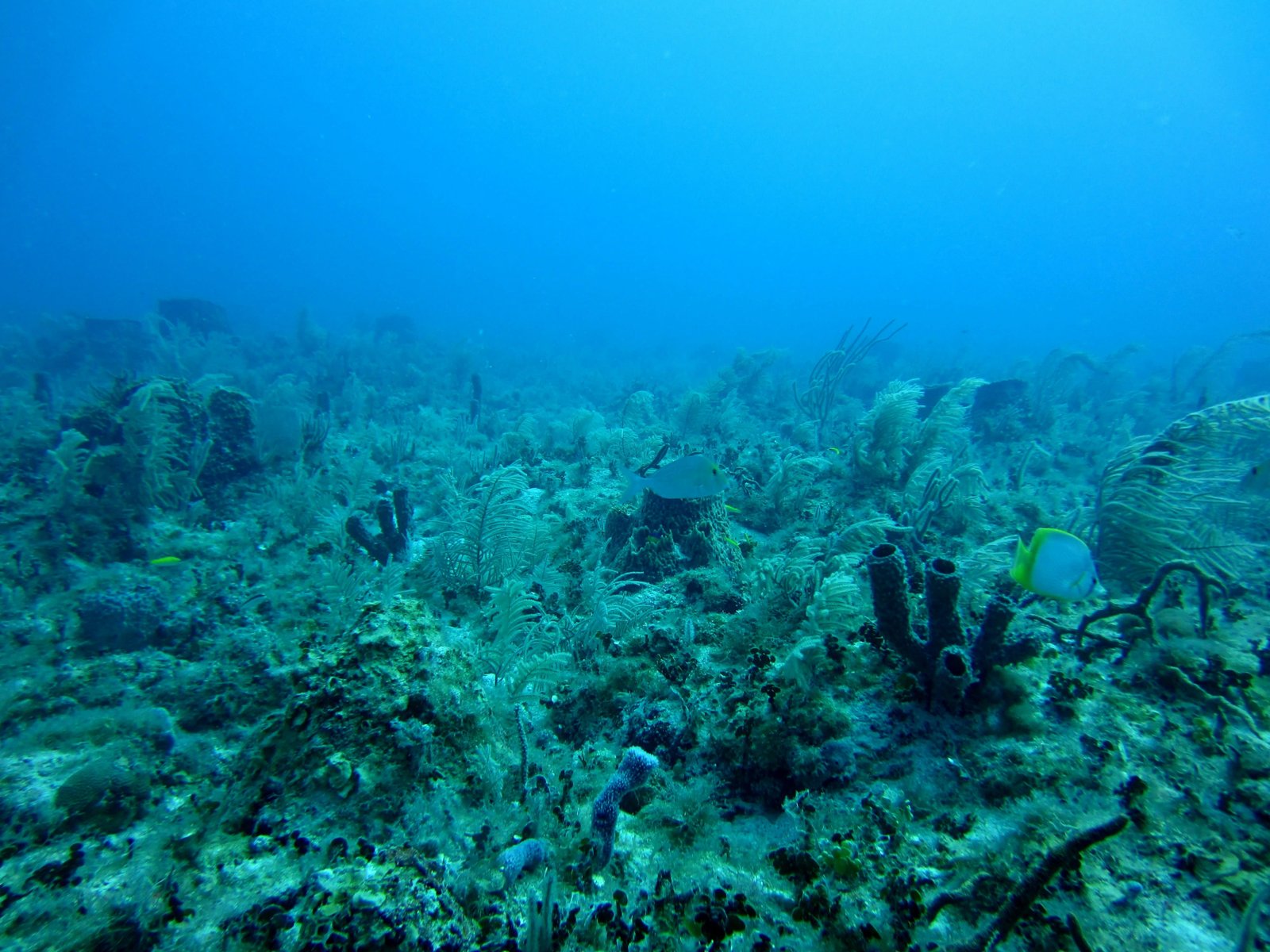
Local human disturbances suppress coral reef climate refugia globally, but targeted intervention could restore protection against marine heatwaves.