

What the study found
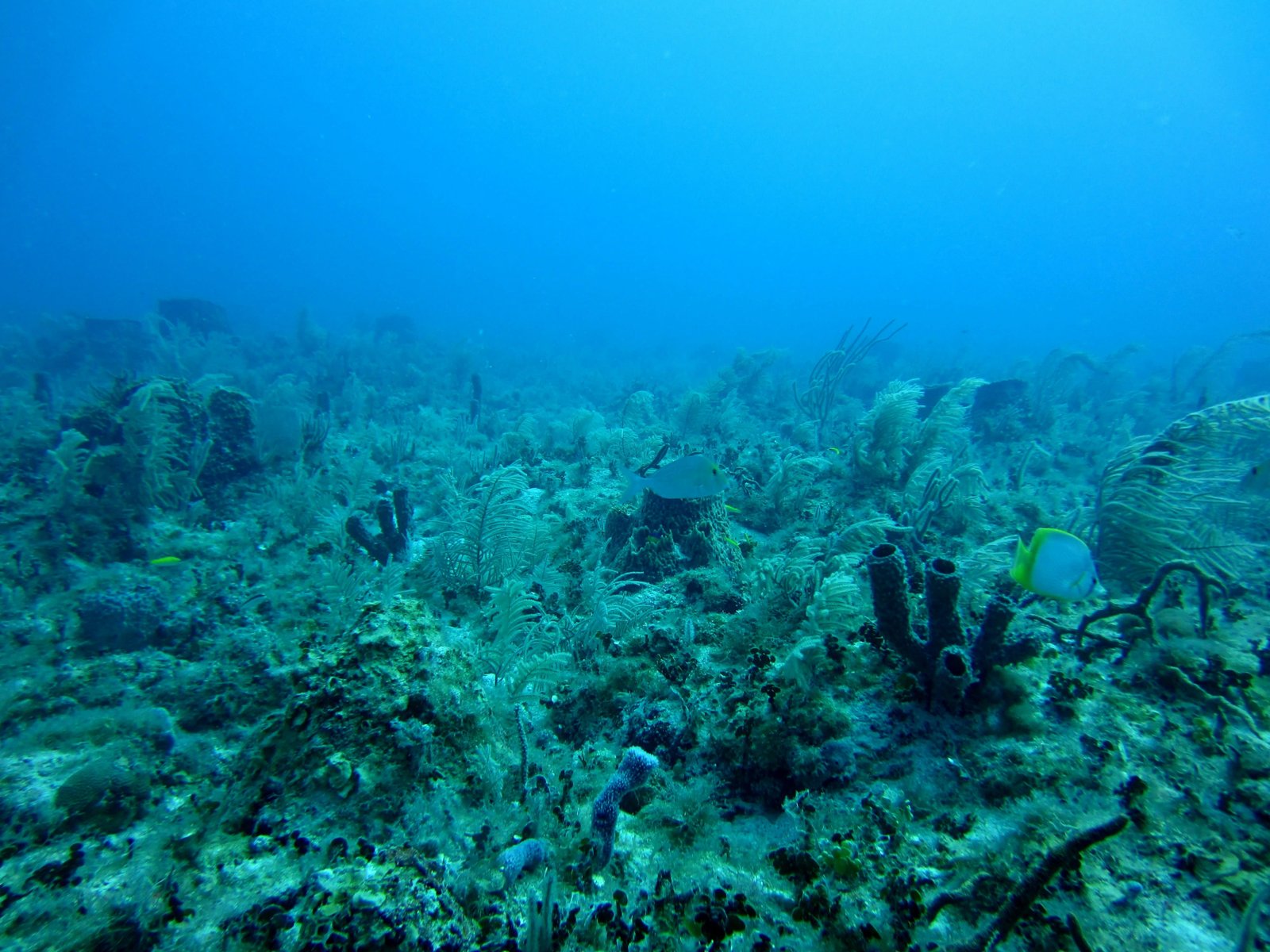
Local human disturbances can negate many potential climate refugia for coral reefs, though some refugia remain unaffected. The most effective refugia identified were reefs with naturally moderate turbidity, meaning water that is somewhat cloudy from suspended particles.
Why the authors say this matters
The authors conclude that reducing local human disturbances could help create or restore climate refugia that are otherwise suppressed. The findings indicate that lowering these local pressures could greatly expand the area of functioning climate refugia.
What the researchers tested
The researchers used a mixed-effects spatio-temporal Bayesian model to examine relationships among marine heatwaves, local human pressures, environmental conditions, and stony-coral cover. They analyzed 12,892 coral-reef sites and tested four environmental refugial hypotheses based on latitude, remoteness, depth, and turbidity.
What worked and what didn't
Some refugia were not impacted by local human disturbances, but many potential refugia were suppressed by them. The study also found that reefs with naturally moderate turbidity were the most effective refugia, while local human disturbances globally suppressed coral reefs, particularly inshore, turbid reefs.
What to keep in mind
The abstract does not describe detailed limitations beyond the scope of the analysis. The findings are based on the sites and variables examined in this study, and the authors' statements about potential restoration are framed as possibilities rather than demonstrated outcomes.
Key points
- Local human disturbances can suppress many potential coral reef climate refugia.
- Some refugia remained unaffected by local human disturbances.
- Reefs with naturally moderate turbidity were identified as the most effective refugia.
- The analysis included 12,892 coral-reef sites.
- The study tested refugial hypotheses based on latitude, remoteness, depth, and turbidity.
Disclosure
- Research title:
- Local human disturbances suppress potential coral climate refugia
- Publication date:
- 2026-02-06
- OpenAlex record:
- View
- Image credit:
- Photo by NOAA on Unsplash · Unsplash License
Get the weekly research newsletter
Stay current with peer-reviewed research without reading academic papers — one filtered digest, every Friday.