Category: Earth and Planetary Sciences

DeepDiscover infers bucket-type hydrological models from data
Framework for autonomous inference of bucket-type conceptual hydrological models using physics-embedded machine learning, demonstrating improved predictive performance and physical coherence.

Palynology supports reclassifying Belovezhian substages in Belarus
Palynological analysis of Pleistocene Belovezhian Stage deposits in Belarus supports elevation of three substages to stage rank and establishes temporal correlation with the Korchevian interglacial.

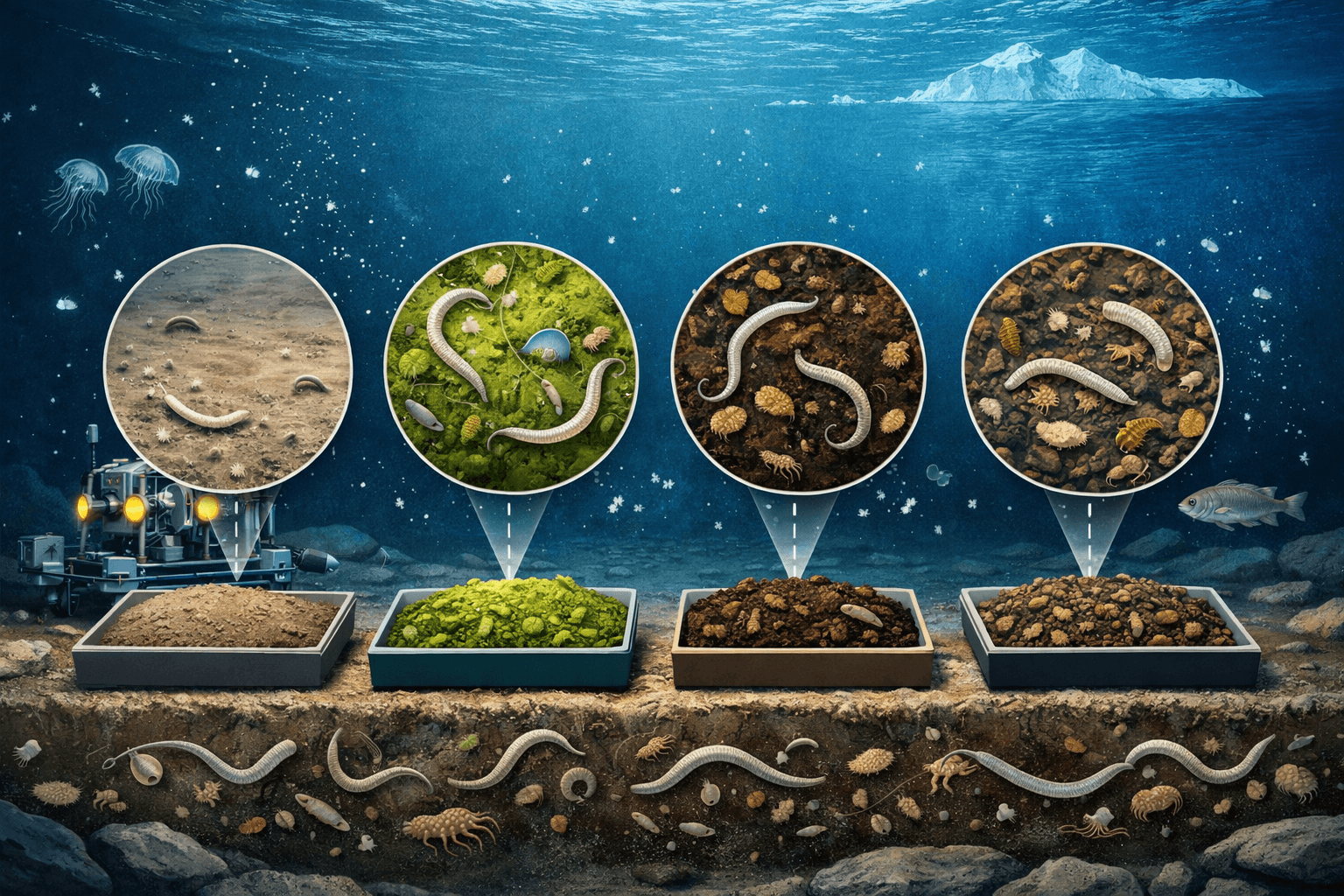
Organic enrichment reshaped Arctic deep-sea nematode communities
Arctic deep-sea nematode communities show distinct assembly patterns based on sediment maturation and organic matter quality, not quantity alone, in experimental Fram Strait study.

Aerosol mixing state differed between inland and coastal sites
Entropy-based analysis of aerosol mixing state and CCN activity reveals distinct seasonal and geographic patterns, with heightened sensitivity in externally-mixed regimes at inland and coastal sites.

Old dissolved carbon from permafrost thaw accumulates in Siberian lakes
Study reveals that up to 75% of dissolved organic carbon in Siberian thermokarst lakes originates from permafrost thaw, yet this ancient carbon accumulates rather than rapidly converting to.

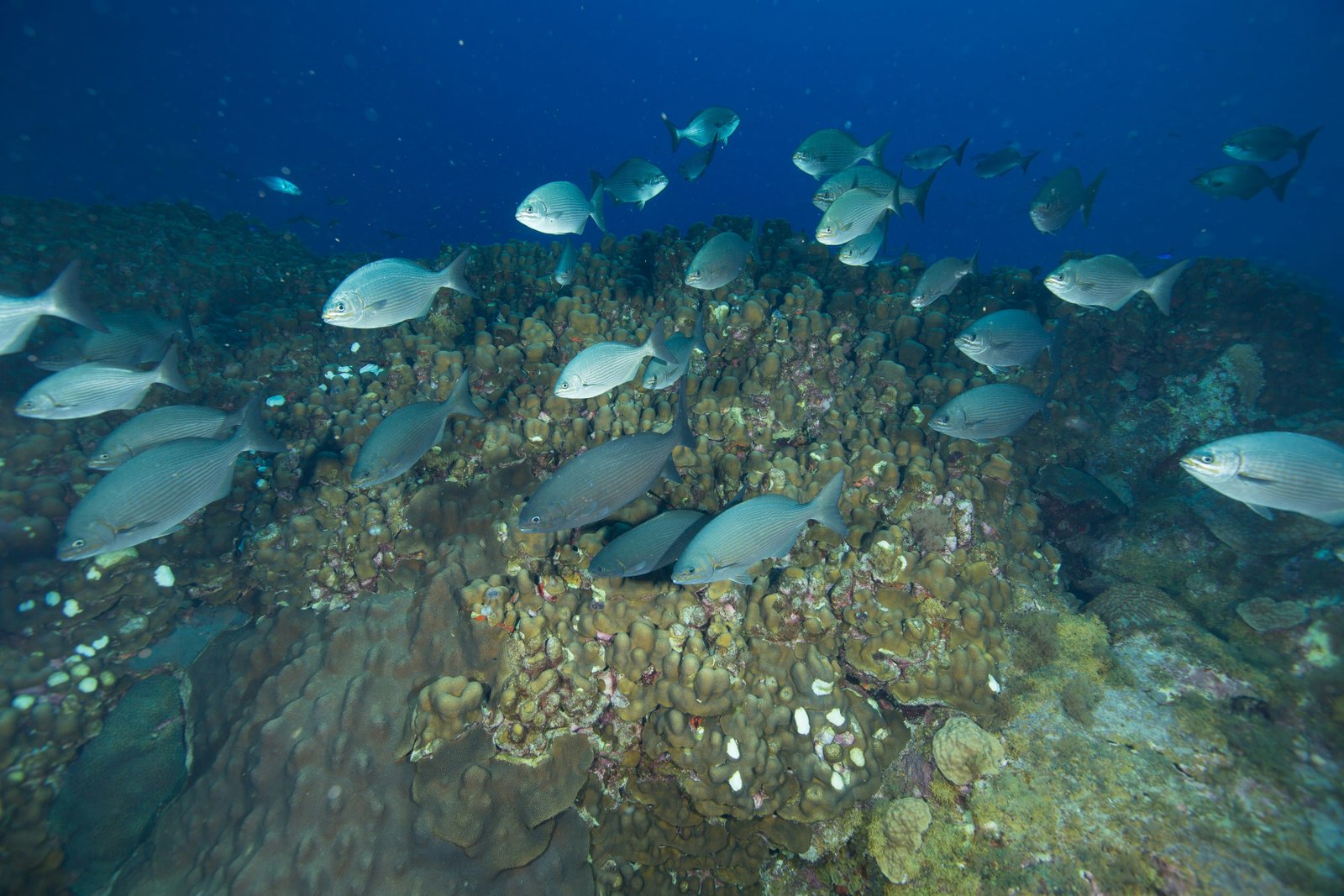
Polynesian reef soundscape dataset spans multiple depth zones
Underwater acoustic recordings from Polynesian coral reefs across depth zones, capturing marine life sounds and ecosystem data for conservation research.

Warming scenario increases rain-on-snow events in Gallatin watershed
SnowModel simulations project increased rain-on-snow events in the upper Gallatin River watershed, with significant hydrologic implications for streamflow and aquatic ecosystems under future.

Sediment biomarkers indicate enhanced methane cycling across the Laptev Sea
Biomarker analysis reveals enhanced methane cycling across the Laptev Sea shelf overlying thawing subsea permafrost, using C30 hopanoid isotopic signatures as time-integrated proxies for aerobic.

Spatial changes in a Scotian Slope cold seep reveal complex seepage
Lipidomic and geochemical analysis of a North Atlantic cold seep reveals complex microbial zonation dominated by ANME archaea with sulfate-reducing microbes across a carbonate mound.

Mai Ndombe lake emits greenhouse gases across all seasons
Study quantifies greenhouse gas emissions from Lake Mai Ndombe, Africa’s largest humic lake, revealing sedimentary processes drive CO2, CH4, and N2O cycling and evasion.