

What the study found
Future warming was associated with rainier, less snowy conditions and earlier snowmelt in the upper Gallatin River watershed. The study also found more rain-on-snow (when rain falls on an existing snowpack) events above 2500 m under the warming scenario.
Why the authors say this matters
The authors say more high-intensity melt events can affect aquatic habitat, water quality, and the accuracy of streamflow forecasts across the region.
What the researchers tested
The researchers used high-resolution 30 m SnowModel simulations for the upper Gallatin River watershed for 2001–2013. They compared two scenarios: historical meteorology as a control and a pseudo-global-warming scenario, in which control air temperature and precipitation were perturbed to represent mean end-of-century conditions under a high-emissions scenario.
What worked and what didn't
Under the warming scenario, low elevations below 2500 m had less snow accumulation and less precipitation falling as snow. Above 2500 m, the winter snowfall fraction declined only slightly, but spring rainfall increased and rain-on-snow events became more frequent.
Snowpacks between 2500 and 3100 m produced more snowmelt during rain-on-snow events, and the watershed average also showed about two times more melt in the warming scenario.
What to keep in mind
The abstract does not describe limitations beyond the modeled scenarios and study area. The results come from simulations of one watershed and depend on the SnowModel setup, the 2001–2013 period, and the high-emissions warming assumption.
Key points
- A warming scenario produced rainier, less snowy years with earlier snowmelt.
- Changes in snow fraction varied by elevation across the watershed.
- Above 2500 m, spring rainfall increased and rain-on-snow events became more frequent.
- Snowpacks between 2500 and 3100 m generated more snowmelt during rain-on-snow events.
- The watershed average showed about two times more melt in the warming scenario.
Disclosure
- Research title:
- Warming scenario increases rain-on-snow events in Gallatin watershed
- Publication date:
- 2026-02-24
- OpenAlex record:
- View
- Image credit:
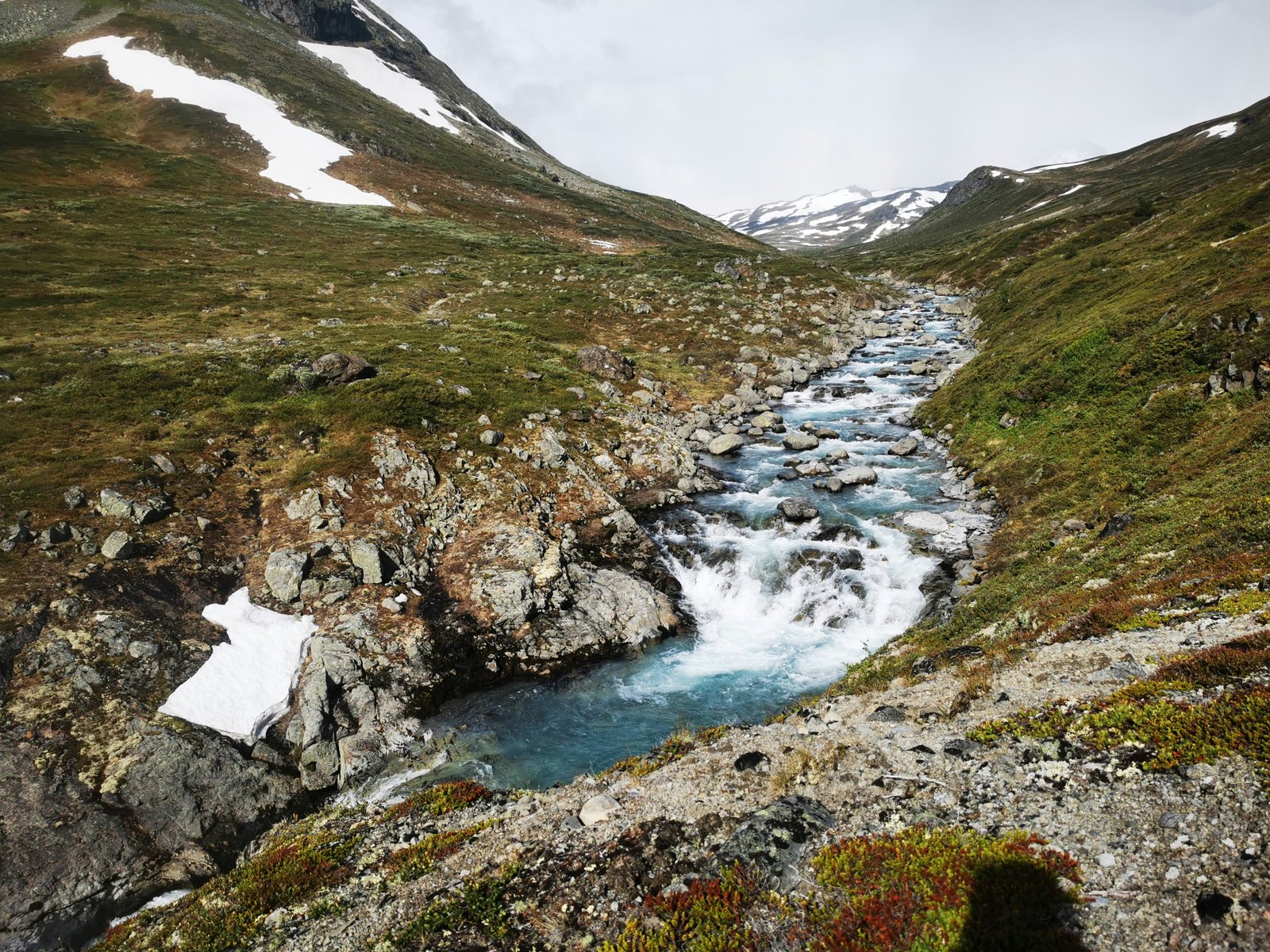
- Photo by Mathis Garberg on Unsplash · Unsplash License
Get the weekly research newsletter
Stay current with peer-reviewed research without reading academic papers — one filtered digest, every Friday.