

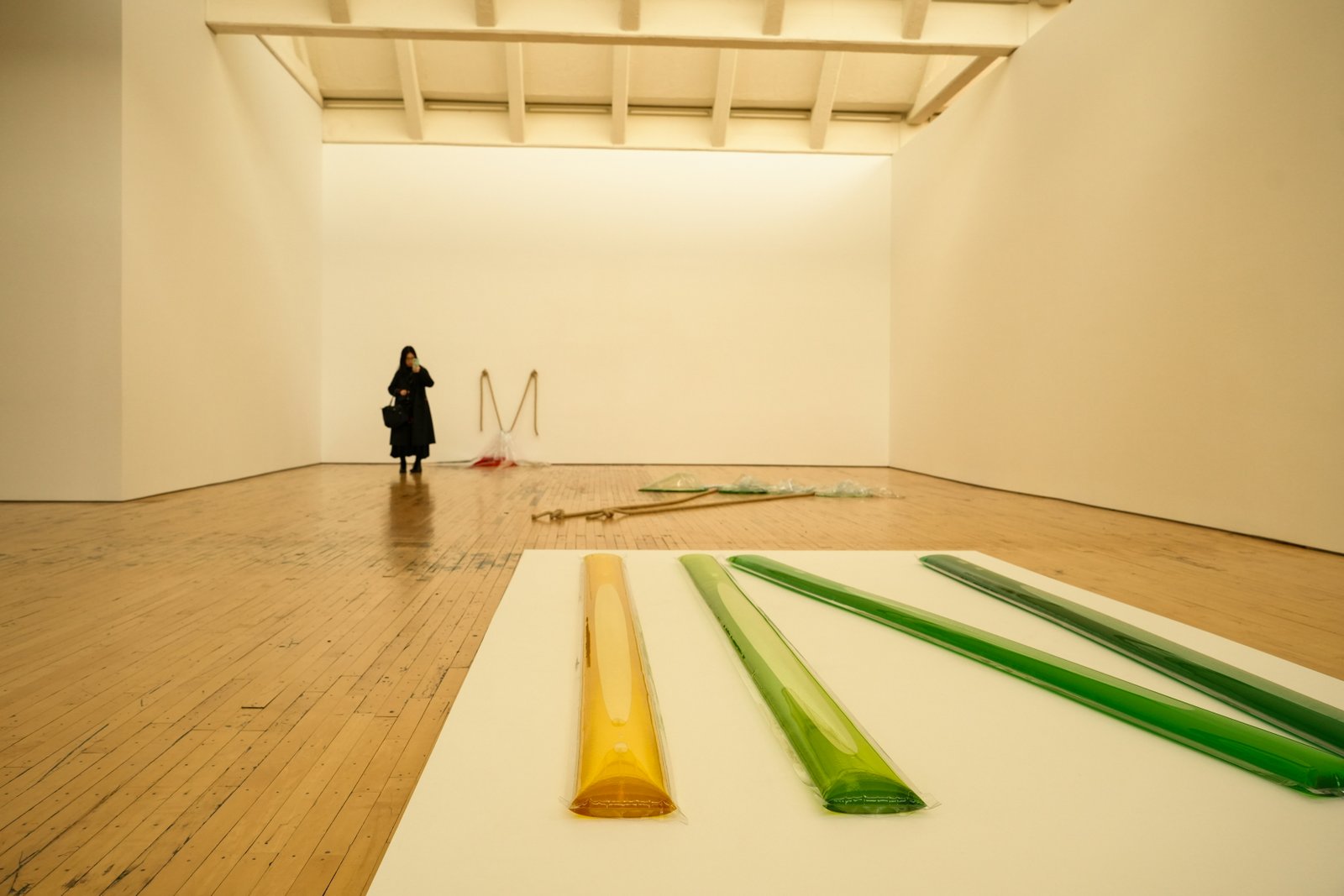
Overview
The study examines the transformation of nature into art objects within institutional settings, tracing the historical trajectory from nature as aesthetic inspiration to its contemporary role as ethical and political actor in artistic discourse. Through intervention-based practices, artists have repositioned organic materials and natural fragments within galleries and museums, establishing new ontological frameworks for engaging with nature. The research identifies and analyzes the theoretical underpinnings and ideological tensions inherent in this objectification process.
Methods and approach
Critical discourse analysis constitutes the primary methodological framework employed to examine artistic practices and their underlying ideological structures. The analysis focuses on three contemporary artists—Stéphane Thidet, Mark Dion, and Carlos Garaicoa—whose works represent distinct approaches to incorporating nature into institutional spaces. This case-study approach enables identification of patterns in how artists conceptualize, transform, and present natural or nature-derived materials as art objects, while simultaneously revealing the theoretical assumptions and power relations embedded within these curatorial and artistic strategies.
Key Findings
The critical examination reveals multiple, often contradictory practices through which nature is objectified within art contexts. Artists deploy strategies ranging from exhibition of organic materials in unaltered form to transformation into constructs shaped by natural references, each approach generating distinct ethical and ontological implications. The analysis demonstrates that these practices are not ideologically neutral but rather embedded in specific theoretical frameworks that position nature variably as subject, material, partner, or conceptual reference. The works analyzed illustrate tensions between preservation and commodification, authenticity and artificiality, and agency and instrumentality.
Implications
The study contributes to understanding how contemporary art practices both reflect and actively construct relationships between humans and nature within institutional frameworks. By exposing the ideological dimensions of objectification practices, the research provides critical tools for examining the political stakes of artistic engagement with natural materials and environmental themes. The findings suggest that institutional contextualization of nature—through exhibition, curation, and artistic intervention—inherently involves processes of meaning-making that warrant sustained theoretical scrutiny.
Disclosure
Key points
- Research title: Beyond the green: Approaches and practices on the objectification of nature
- Authors: Şule Sayan
- Publication date: 2026-02-23
- DOI: https://doi.org/10.46372/arts.1823607
- OpenAlex record: View
- PDF: Download
- Image credit: Photo by Yimeng Zhao on Unsplash (Source • License)
- Disclosure: This post was generated by Claude (Anthropic). The original authors did not write or review this post.
Disclosure
- Research title:
- Beyond the green: Approaches and practices on the objectification of nature
- Publication date:
- 2026-02-23
- OpenAlex record:
- View
- Image credit:
- Photo by Yimeng Zhao on Unsplash · Unsplash License
Get the weekly research newsletter
Stay current with peer-reviewed research without reading academic papers — one filtered digest, every Friday.