

What the study found
Visual art intervention was associated with improved sleep quality among Malaysian undergraduates, and the authors report significant post-intervention effects on anxiety and stress.
Why the authors say this matters
The authors conclude that visual art intervention offers a cost-effective method of improving sleep quality and mental health among university students, and they describe it as an accessible approach to enhancing sleep behaviors.
What the researchers tested
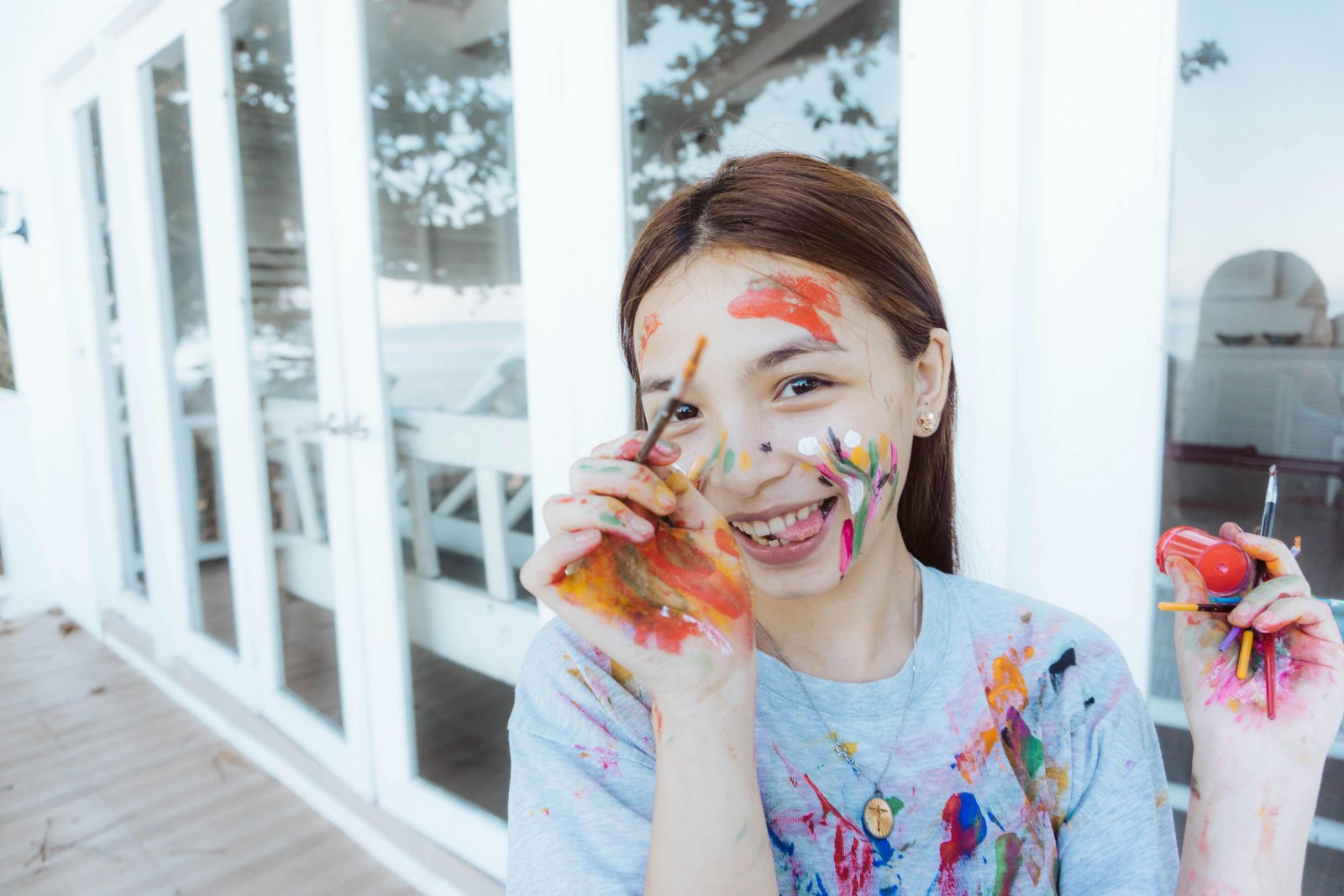
The study recruited 40 Malaysian undergraduates with a mean age of 21.15 years. The Visual Art Group took part in a visual art intervention twice weekly for six weeks, while the control group received no treatment. Sleep quality was measured with a sleep tracking device and the Pittsburgh Sleep Quality Index, and negative emotional states were measured with the Depression, Anxiety and Stress Scale-21 Items.
What worked and what didn't
The attained outcomes suggested improvement in Pittsburgh Sleep Quality Index scores in the visual art group, against a declining baseline. Generalized Estimating Equations analysis showed significant effects on anxiety and stress in the visual art group at post-intervention.
What to keep in mind
This was described as a preliminary study, and the abstract does not provide detailed limitations beyond that. The sample was small, and the summary provided here does not state whether the groups differed at baseline beyond the noted declining baseline in the visual art group.
Key points
- Visual art intervention was linked to better sleep quality in Malaysian undergraduates.
- The visual art group also showed significant post-intervention effects on anxiety and stress.
- Sleep quality was assessed both objectively with a sleep tracking device and subjectively with the Pittsburgh Sleep Quality Index.
- The study lasted six weeks and compared a visual art group with a no-treatment control group.
- The abstract describes the work as a preliminary study with a small sample.
Disclosure
- Research title:
- Visual art intervention was linked to better sleep quality
- Publication date:
- 2026-03-05
- OpenAlex record:
- View
- Image credit:
- Pexels • Happy Pixels · Pexels License
Get the weekly research newsletter
Stay current with peer-reviewed research without reading academic papers — one filtered digest, every Friday.