

What the study found
Primary teachers’ dashboard-prompted feedback was mainly task and process feedback, and it was mostly given in the later phases of lessons.
Why the authors say this matters
The authors conclude that teachers’ dashboard use differed more in when feedback was given across lesson phases than in which feedback types were used. The study suggests that phase-sensitive support and technology-specific experience are relevant.
What the researchers tested
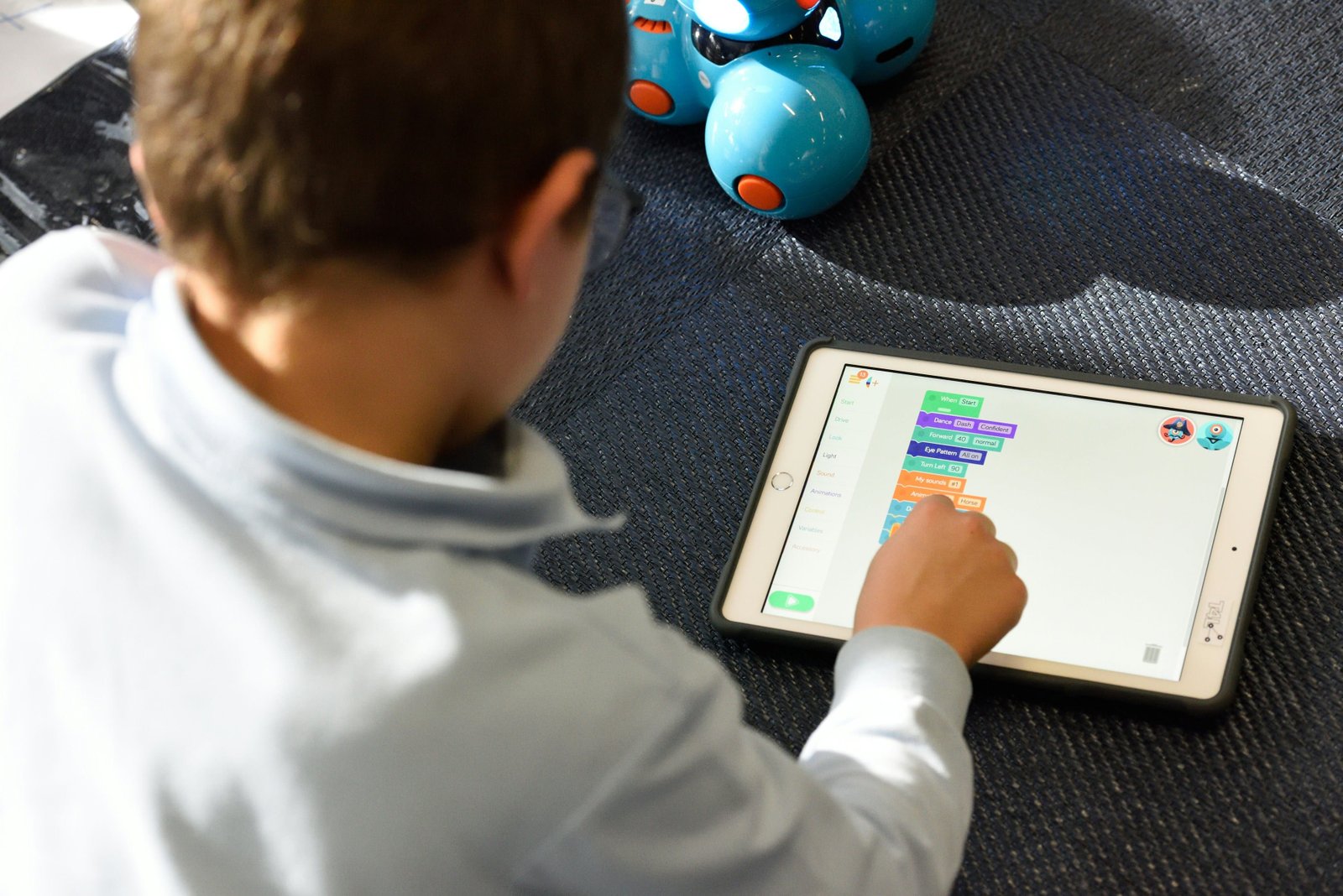
The researchers observed 25 teachers giving dashboard-supported mathematics lessons in primary education. They examined dashboard-prompted feedback, meaning feedback teachers gave based on teacher dashboard data showing real-time student performance and progress, and they looked at five feedback types across lesson phases such as instruction, guided practice, independent practice, closure, and evaluation.
What worked and what didn't
Using visualised behavioural clustering, the researchers identified three clusters of dashboard-prompted feedback: feedback provided in one, two, or three lesson phases. They found no significant relationship between feedback type and the number of lesson phases in which dashboard-prompted feedback was given.
What to keep in mind
The abstract does not describe limitations beyond the observed sample of 25 teachers in primary mathematics lessons. The findings are limited to the study setting and the feedback categories and lesson phases that were examined.
Key points
- Primary teachers’ dashboard-prompted feedback was mainly task and process feedback.
- Dashboard-prompted feedback was mostly given in later lesson phases.
- The researchers identified three clusters: feedback given in one, two, or three lesson phases.
- No significant relationship was found between feedback type and the number of lesson phases.
- The authors say teachers’ dashboard use differed more in when feedback occurred than in which feedback types were used.
Disclosure
- Research title:
- Teacher dashboard feedback was mostly task- and process-focused
- Publication date:
- 2026-03-07
- OpenAlex record:
- View
- Image credit:
- Photo by stem.T4L on Unsplash · Unsplash License
Get the weekly research newsletter
Stay current with peer-reviewed research without reading academic papers — one filtered digest, every Friday.