

AI Summary of Peer-Reviewed Research
This page presents an AI-generated summary of a published research paper. The original authors did not write or review this article. See full disclosure ↓
Publication Signals show what we were able to verify about where this research was published.MODERATECore publication signals for this source were verified. Publication Signals reflect the source’s verifiable credentials, not the quality of the research.
- ✔ Published in indexed journal
- ✔ No retraction or integrity flags
Key findings from this study
- The authors propose that AI competency development should progress vertically throughout preclinical and clinical education with differentiated expectations by academic stage.
- The framework establishes that early students should focus on foundational AI knowledge and ethical considerations, while advanced learners should innovate AI-driven applications for oral healthcare.
- The authors report that careful curricular balance is necessary to integrate AI content without diminishing core dental competencies required for professional practice.
Overview
Rapid advances in artificial intelligence supporting clinical workflows necessitate systematic integration of AI competencies into dental education. The perspective calls for prioritizing educational initiatives to establish an AI-proficient dental workforce aligned with evolving clinical practice demands.
Methods and approach
The authors propose a vertically and horizontally integrated competency framework for AI education across preclinical and clinical dental curricula. The framework differentiates competency expectations by academic stage, from foundational knowledge in early years to clinical implementation and innovation in advanced years. Assessment mechanisms should evaluate attainment of specified AI competencies while maintaining balance with core dental professional competencies.
Results
The authors propose that early-stage students should acquire foundational AI knowledge and understand ethical considerations relevant to artificial intelligence deployment. Senior learners should develop capacity to implement AI tools for clinical tasks and critically interpret AI-generated outputs for clinical decision-making. Advanced students should demonstrate skills to design novel AI-driven investigations and develop innovative applications for oral healthcare contexts.
The framework emphasizes careful curricular integration to balance AI content with established dental competencies. Vertical coherence across academic years ensures progression from foundational understanding to sophisticated application and innovation. Horizontal alignment with existing competencies prevents fragmentation and supports cohesive professional preparation.
Implications
Systematic integration of AI competencies into dental education addresses a significant gap between rapid technological advancement and workforce preparation. Dental curricula must evolve to ensure graduates possess both technical proficiency with AI tools and critical judgment regarding their appropriate clinical application. Institutions implementing this framework will strengthen graduates' capacity to leverage emerging technologies while maintaining professional standards and ethical practice.
The competency-based approach accommodates variable institutional contexts and student backgrounds while establishing consistent standards for AI literacy across the dental profession. Assessment frameworks aligned with specified competencies enable measurement of educational effectiveness and identification of gaps in curriculum delivery. Balanced integration preserves the primacy of core dental knowledge and skills essential to independent clinical practice.
Scope and limitations
This summary is based on the study abstract and available metadata. It does not include a full analysis of the complete paper, supplementary materials, or underlying datasets unless explicitly stated. Findings should be interpreted in the context of the original publication.
Disclosure
- Research title: Preparing the AI-Ready Dentist: A Call for a Competency Framework in Dental Education
- Authors: Thanaphum Osathanon, Anjalee Vacharaksa, Prof Dr Falk Schwendicke, Lakshman Samaranayake
- Institutions: Chulalongkorn University, Dr. D.Y. Patil Vidyapeeth, Pune, LMU Klinikum, Ludwig-Maximilians-Universität München, University of Hong Kong
- Publication date: 2026-02-19
- DOI: https://doi.org/10.1016/j.identj.2026.109450
- OpenAlex record: View
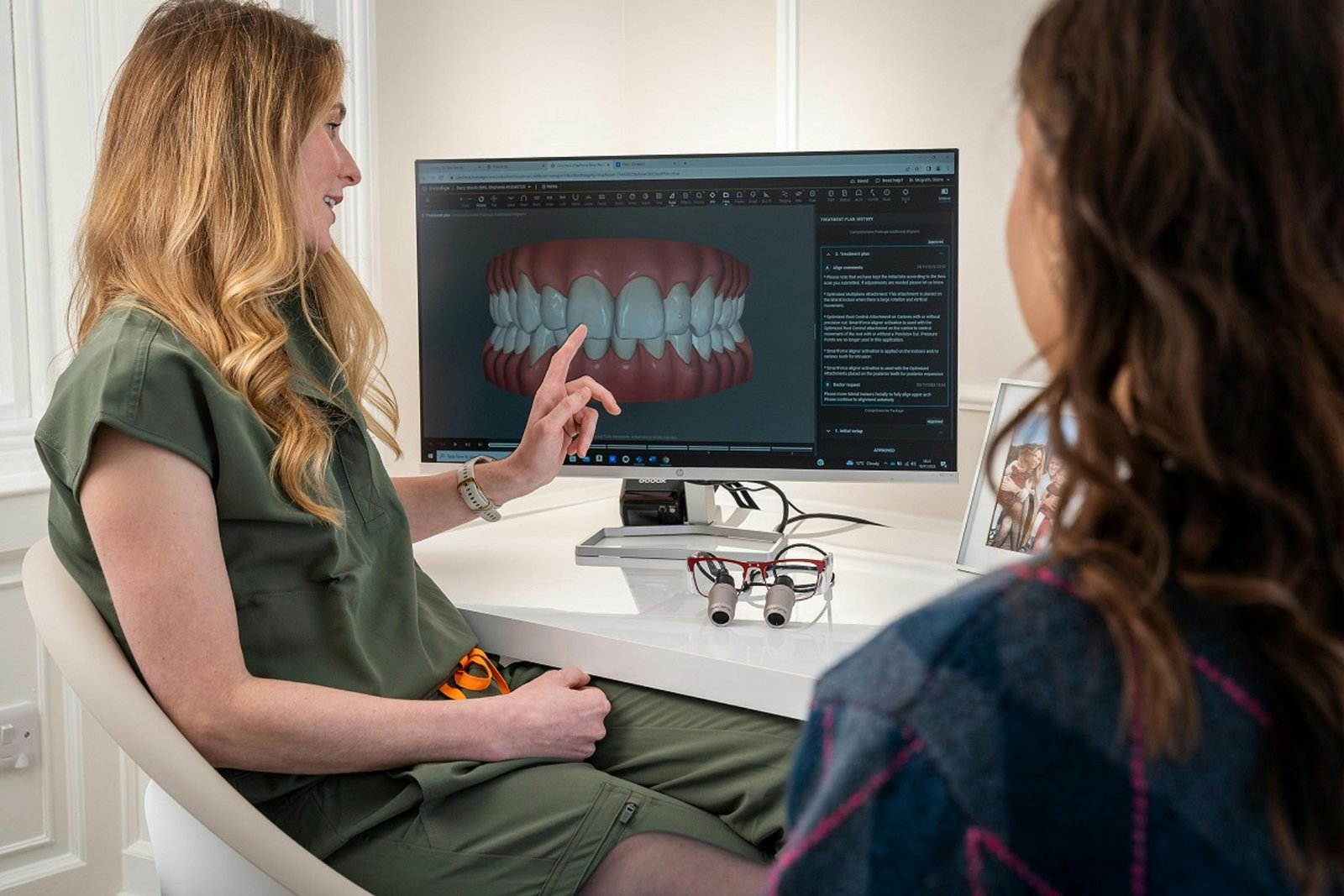
- Image credit: Photo by The Row Dental on Pexels (Source • License)
- Disclosure: This post was generated by Claude (Anthropic). The original authors did not write or review this post.
Get the weekly research newsletter
Stay current with peer-reviewed research without reading academic papers — one filtered digest, every Friday.


