

What the study found
The article argues that Yogyakarta’s ‘garbage emergency,’ especially after the closure of the Piyungan landfill, reflects deeper structural conditions rather than only an immediate disposal problem. It describes the situation as shaped by hyperabjection, meaning the social and spatial pushing-away of waste and the people who manage it, and by slow violence, meaning harm that accumulates gradually over time.
Why the authors say this matters
The authors suggest waste should be understood as a socio-ecological crisis, not just a matter for techno-bureaucratic fixes. They conclude that the framing of waste as an emergency can help sustain neglect and disavowal of peripheral communities.
What the researchers tested
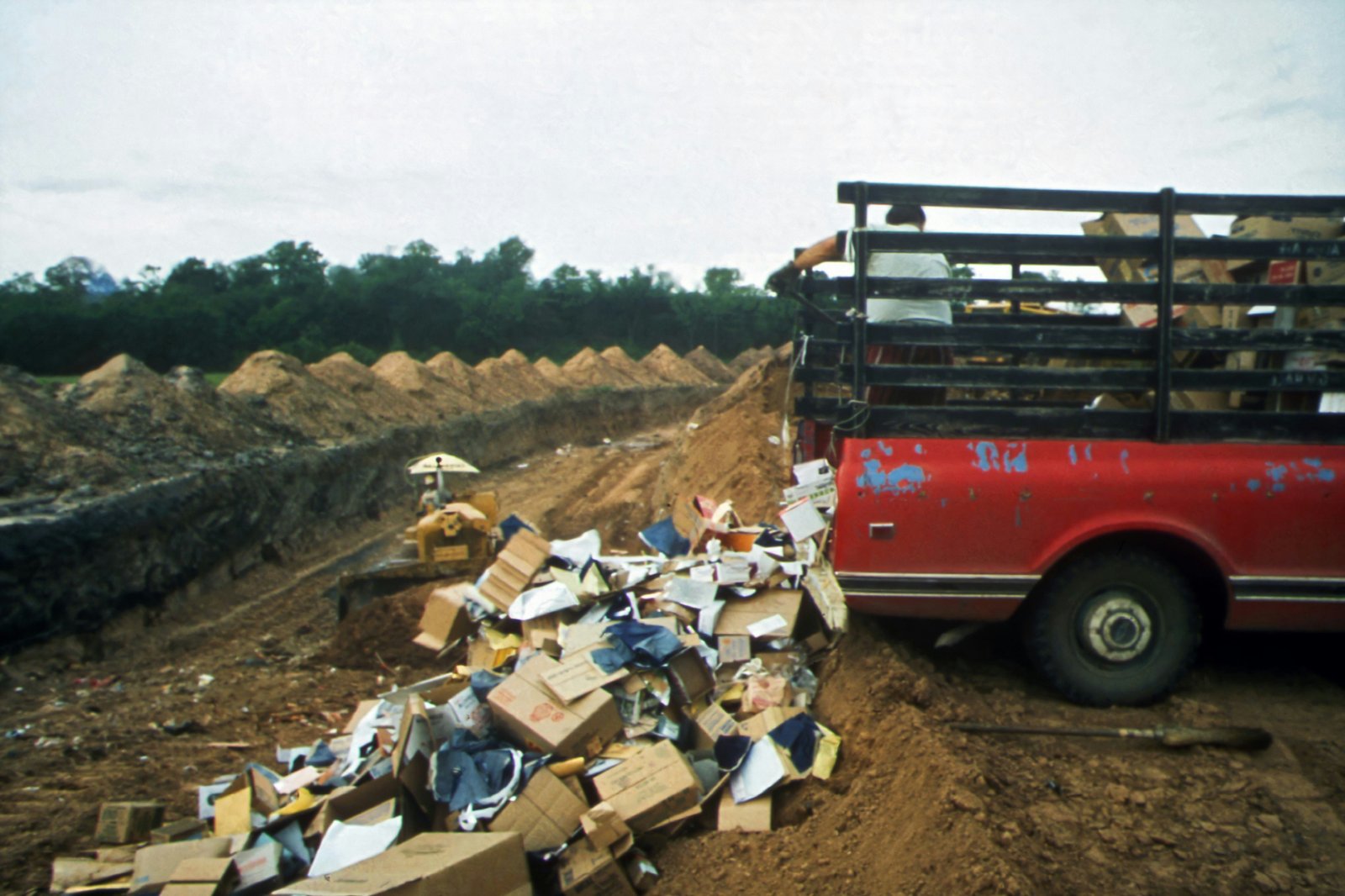
The article draws on the concept of the hyperobject, meaning something so large and diffuse it is hard to grasp as a single object, and its political reworking as the hyperabject. It uses the case of Yogyakarta’s waste problem, with attention to urban areas that externalize waste to suburban ‘sacrifice zones’ where informal workers manage untreated waste with minimal protection.
What worked and what didn't
The authors show that the ‘garbage emergency’ framing both comes from and reinforces structural conditions marked by neglect and disavowal. They also describe this as linked to socio-spatial inequality and environmental injustice affecting peripheral communities.
What to keep in mind
The abstract does not provide detailed methods beyond the conceptual framing and case focus. It also does not describe specific policy interventions, measurements, or comparative results.
Key points
- The article links Yogyakarta’s waste crisis to socio-spatial inequality and environmental injustice.
- It says the ‘garbage emergency’ framing both results from and perpetuates neglect and disavowal.
- The study uses the ideas of hyperobject, hyperabject, and slow violence to interpret the case.
- Urban areas are described as externalizing waste to suburban ‘sacrifice zones’ with informal workers and minimal protection.
- The authors suggest waste should be treated as a socio-ecological crisis, not only a disposal issue.
Disclosure
- Research title:
- Yogyakarta’s waste crisis is framed as structural and long-lasting
- Publication date:
- 2026-03-09
- OpenAlex record:
- View
- Image credit:
- Photo by Documerica on Unsplash · Unsplash License
Get the weekly research newsletter
Stay current with peer-reviewed research without reading academic papers — one filtered digest, every Friday.