

Key findings from this study
Key points
- The study found that primary schools and madrasas maintain similar visual complexity levels in their facade designs, whereas higher education buildings exhibit significantly greater complexity.
- The researchers demonstrate that Kemalettin adopted differentiated design strategies that correlated with educational institution type rather than applying uniform stylistic principles.
- The authors report that higher education institution buildings consistently showed more complex facade characteristics than primary and secondary educational facilities.
Overview
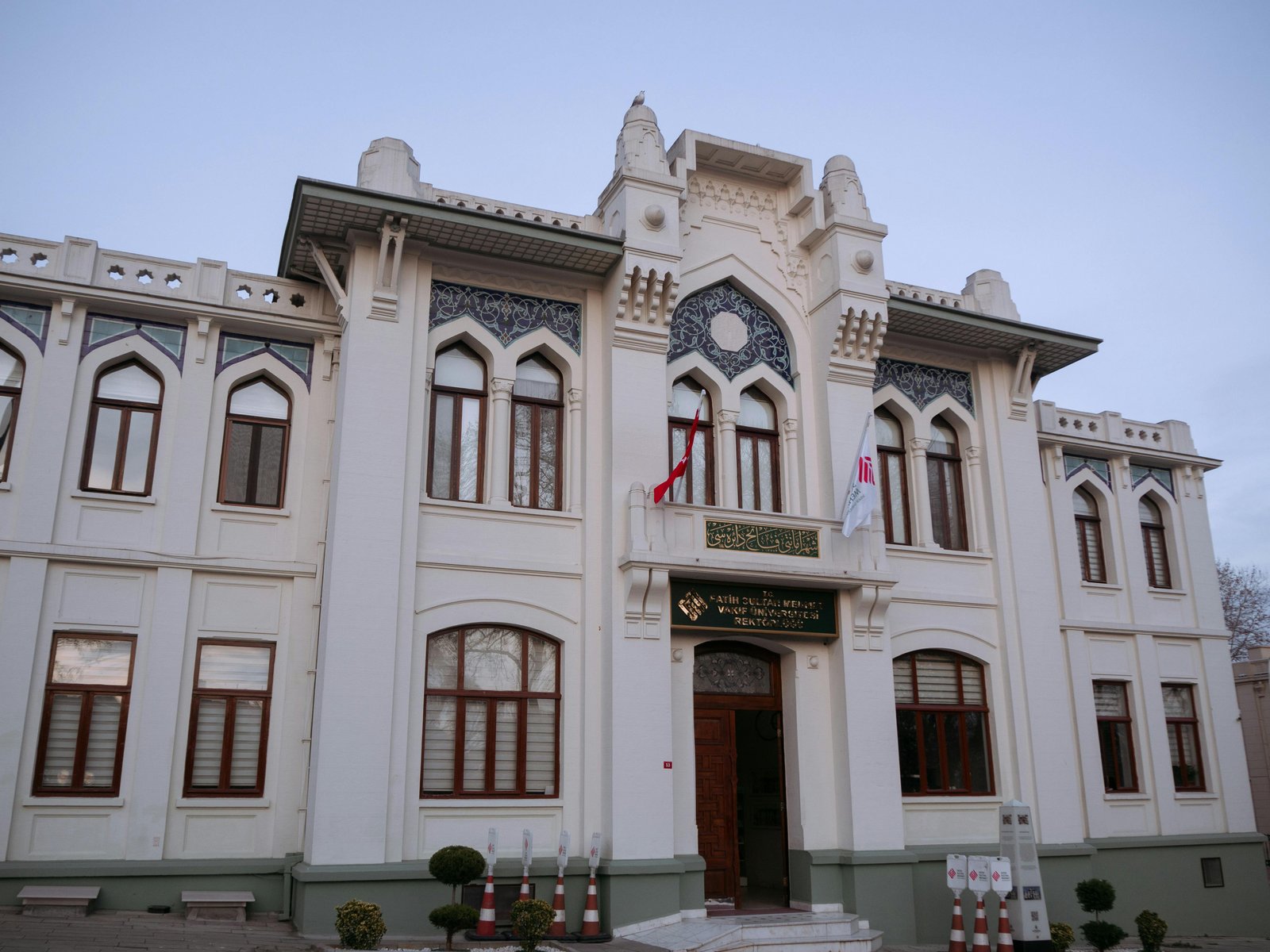
This research examines facade design strategies in eighteen educational buildings attributed to architect Kemalettin during Turkey's First National Architecture Period. The architect synthesized Seljuk and Classical Ottoman elements with Neo-Classical principles. The study categorizes buildings into three types: primary schools, madrasas, and higher education institutions.
Methods and approach
Researchers conducted comparative analysis of facade designs across the three educational categories. Fractal analysis quantified average visual complexity values for constructed buildings and those remaining at design stage. Comparative evaluation assessed similarities and dissimilarities between category pairs.
Results
Primary schools and madrasas exhibited similar average visual complexity values, while madrasas and higher education institutions showed dissimilar patterns. Primary schools and higher education institutions also demonstrated dissimilar facade characteristics. Higher education institution buildings consistently displayed more complex facade configurations than other categories, suggesting Kemalettin employed differentiated design approaches based on institutional type. The comparison between constructed versus design-stage buildings revealed category-dependent variations in complexity values.
Implications
The findings indicate that architectural design complexity functioned as a functional differentiator across educational levels during the First National Architecture Period. Kemalettin's methodology demonstrates how stylistic synthesis could accommodate pedagogical and institutional hierarchies through visual articulation. This approach suggests that facade complexity served not merely aesthetic but potentially communicative purposes within the educational institutional framework.
Scope and limitations
This summary is based on the study abstract and available metadata. It does not include a full analysis of the complete paper, supplementary materials, or underlying datasets unless explicitly stated. Findings should be interpreted in the context of the original publication.
Disclosure
- Research title: Visual Complexity Analysis of Mimar Kemalettin’s Educational Buildings
- Authors: Zeynep İldeniz Köksalan, Murat Şahin
- Institutions: Fırat University
- Publication date: 2026-03-30
- DOI: https://doi.org/10.53710/jcode.1713219
- OpenAlex record: View
- PDF: Download
- Image credit: Photo by Meruyert Gonullu on Pexels (Source • License)
- Disclosure: This post was generated by Claude (Anthropic). The original authors did not write or review this post.
Disclosure
- Research title:
- Visual Complexity Analysis of Mimar Kemalettin’s Educational Buildings
- Publication date:
- 2026-03-30
- OpenAlex record:
- View
- Image credit:
- Pexels • Meruyert Gonullu · Pexels License
Get the weekly research newsletter
Stay current with peer-reviewed research without reading academic papers — one filtered digest, every Friday.