

AI Summary of Peer-Reviewed Research
This page presents an AI-generated summary of a published research paper. The original authors did not write or review this article. See full disclosure ↓
Publication Signals show what we were able to verify about where this research was published.STRONGWe verified multiple publication signals for this source, including independently confirmed credentials. Publication Signals reflect the source’s verifiable credentials, not the quality of the research.
- ✔ Peer-reviewed source
- ✔ Published in indexed journal
- ✔ No retraction or integrity flags
Overview
The study develops an interdisciplinary contextual framework for understanding mosque construction processes in the United States urban environment. It addresses the challenge of rapid mosque proliferation across U.S. cities coupled with insufficient design resources for stakeholders. The research shifts focus from aesthetic considerations toward the developmental mechanisms that accommodate practical community requirements and local contextual conditions.
Methods and approach
An eight-mosque case study within the Greater Phoenix metropolitan region served as the analytical unit, examined within a relational regional context. The methodology incorporated examination of demographic, economic, and social factors influencing mosque development from initial conception through construction completion. The study analyzed interfaith relationships, municipal regulatory interactions, and architect advocacy patterns as determinative variables in design outcomes.
Key Findings
The analysis identified multiple contextual determinants shaping mosque design and construction trajectories. Interfaith solidarity networks, relationships with municipal officials, and architect-led advocacy emerged as significant variables in design determination. Demographic and socioeconomic factors demonstrated differential influence across the eight cases, indicating contextual specificity rather than uniform patterns. The study produced a nuanced understanding of how local conditions, institutional relationships, and professional practice interact to produce differentiated outcomes in mosque development.
Implications
The contextual framework offers architects, designers, and planners a structured approach to developing locally responsive mosque designs that move beyond aesthetic considerations toward integration with community needs and municipal contexts. The research positions interfaith coordination and regulatory engagement as critical components of the design process, suggesting that professional practice must extend beyond technical design competencies. The shift from aesthetically-focused analysis toward developmental process analysis provides a replicable model for understanding religious facility construction across varied urban contexts.
Disclosure
- Research title: The contextual determinants of mosque design and construction process in the U.S.: the case of the Valley of the Sun
- Authors: Hassnaa Othman Mohammed
- Institutions: Indiana University Bloomington
- Publication date: 2026-02-28
- DOI: https://doi.org/10.1186/s40410-025-00296-2
- OpenAlex record: View
- PDF: Download
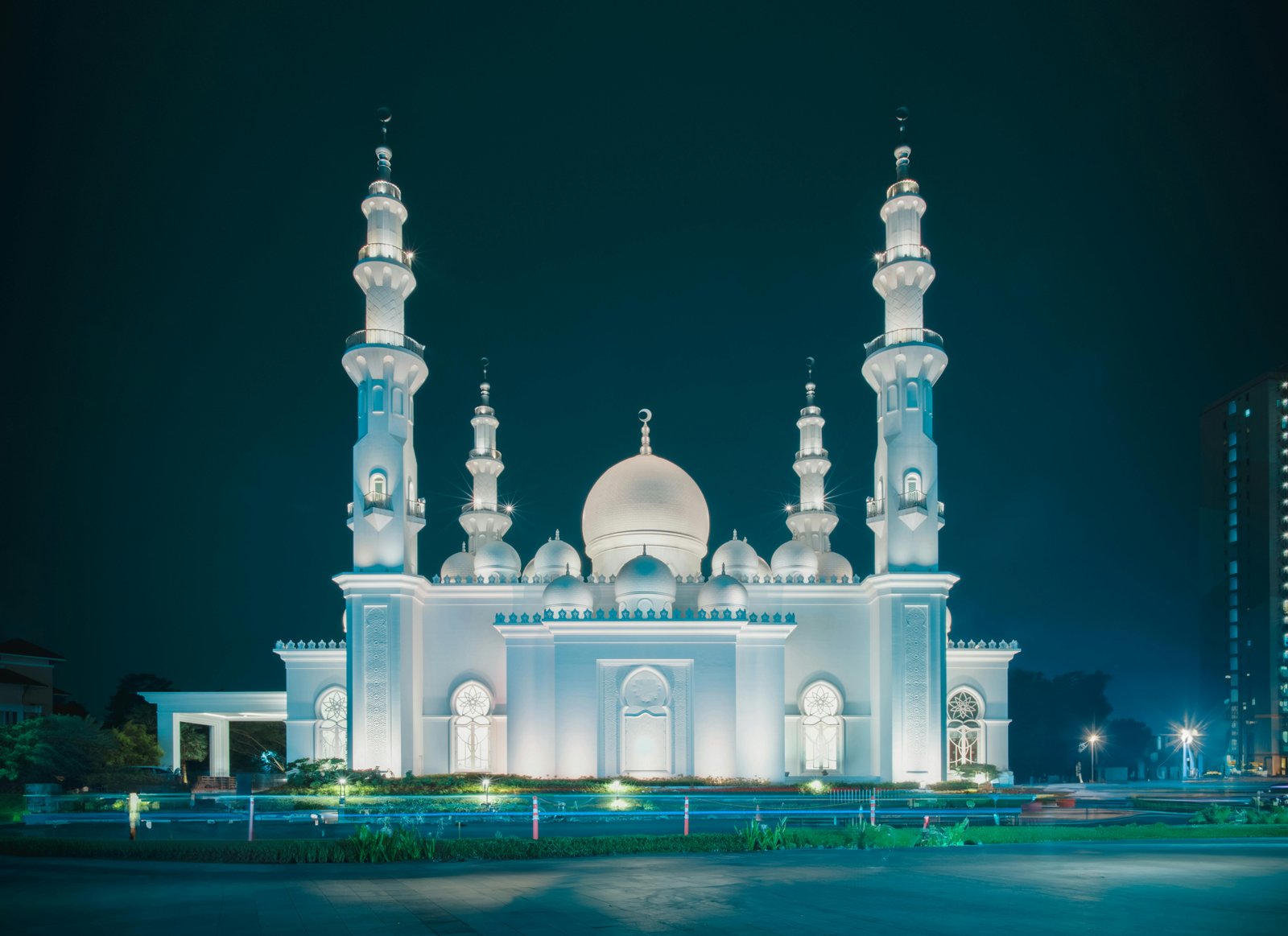
- Image credit: Photo by Mosquegrapher on Pexels (Source • License)
- Disclosure: This post was generated by Claude (Anthropic). The original authors did not write or review this post.
Get the weekly research newsletter
Stay current with peer-reviewed research without reading academic papers — one filtered digest, every Friday.