Tag: Artificial Intelligence & Machine Learning

Power Echoes: Investigating Moderation Biases in Online Power-Asymmetric Conflicts
Study reveals human moderators favor powerful parties in asymmetric conflicts; AI assistance reduces most biases but sometimes amplifies them.

AI meets Mathematics Education: Supporting Instructors in Large Mathematics Classes with Context-Aware AI
Fine-tuned language model provides automated question answering in large calculus courses, achieving 75% accuracy. Hybrid human-AI workflows maintain instructor oversight while scaling support.

Deepfake, Real Harm: A Participatory Approach for Imagining Infrastructures to Combat Deepfake Sexual Abuse
Participatory research reveals gaps in deepfake sexual abuse moderation systems and proposes multi-stakeholder infrastructure improvements based on activist and survivor input.

Attitudes, Imagined Roles, and Governance Boundaries for AI in Decentralized Social Media
Decentralized social media operators define boundaries for AI integration, rejecting autonomous systems in favor of tools that support human governance and community autonomy.

RAG Without the Lag: Enabling “What-If” Analysis for Retrieval-Augmented Generation Pipelines
Raggy enables rapid experimentation in retrieval-augmented generation pipelines through composable primitives and interactive debugging, reducing development friction.

The Global Impact of Generative AI on the HCI Landscape: International Perspectives on HCI Education, Industry Dynamics, and Funding Considerations
Panel discussion on generative AI’s multidimensional impact on HCI globally: education, industry dynamics, and funding across diverse regions and cultures.

DuoDrama: Supporting Screenplay Refinement Through LLM-Assisted Human Reflection
DuoDrama uses AI agents to generate screenplay feedback that coordinates character perspectives with story-level views, improving screenwriter reflection during refinement.

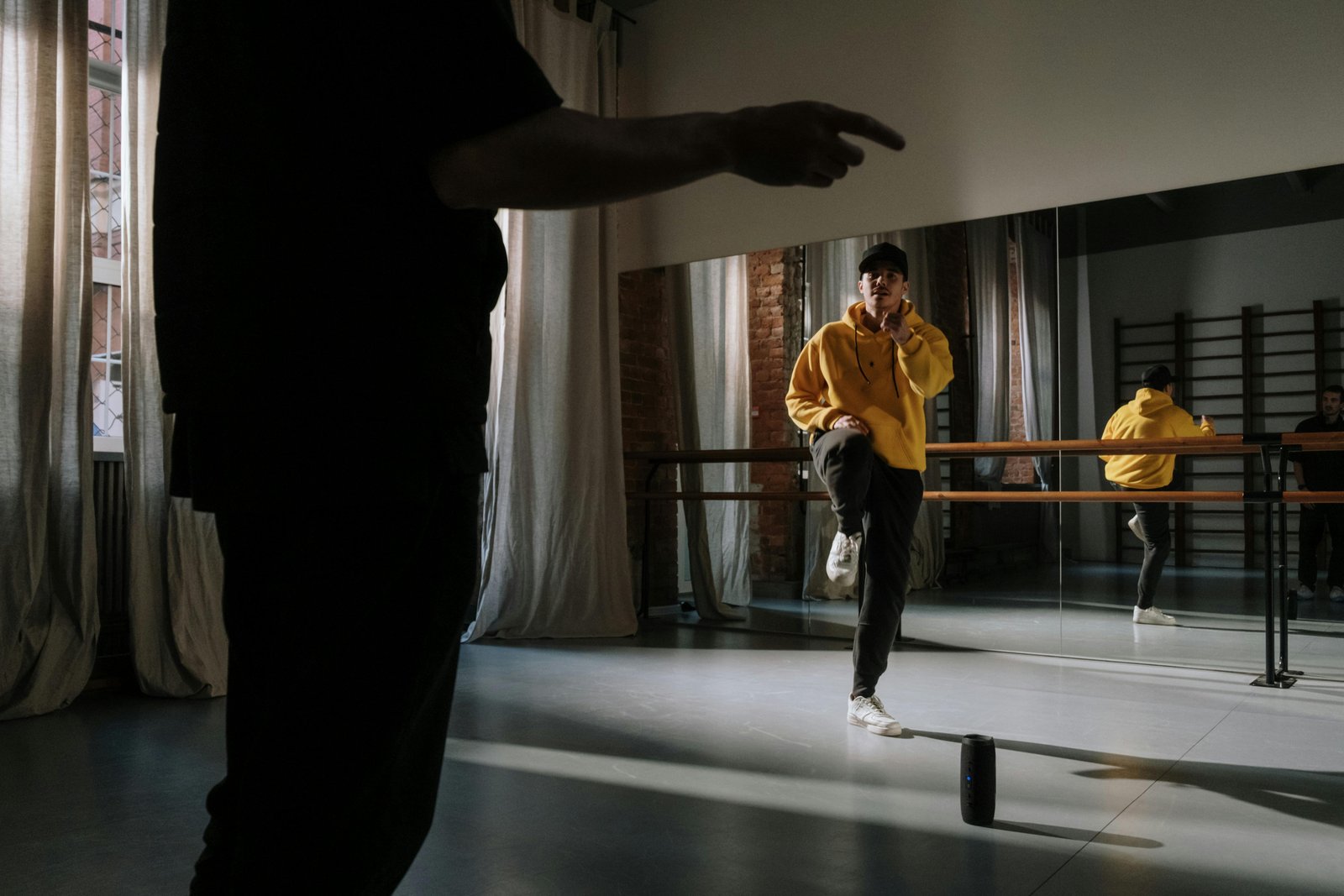
Designing Interactive Movement Sonification For Hip-Hop Dance
Study on sonification design for hip-hop dance improvisation, examining how dancers experience real-time sound feedback during collective and individual movement performance.

Less is More! Visual Suppression for Bottom-up and Top-down Attention in Dynamic Environments
Study of suppression-based visual filters (Dim and Blur) to enhance attention in dynamic virtual environments with competing objects. Results show Dim-Strong filtering achieves optimal performance.

Does Peer Review Need to Change? A Panel on Reporting Standards and Checklists in the Age of AI
Panel discussion on whether CHI should adopt formal reporting standards to improve research quality, transparency, and peer review processes, informed by experiences in adjacent fields.