

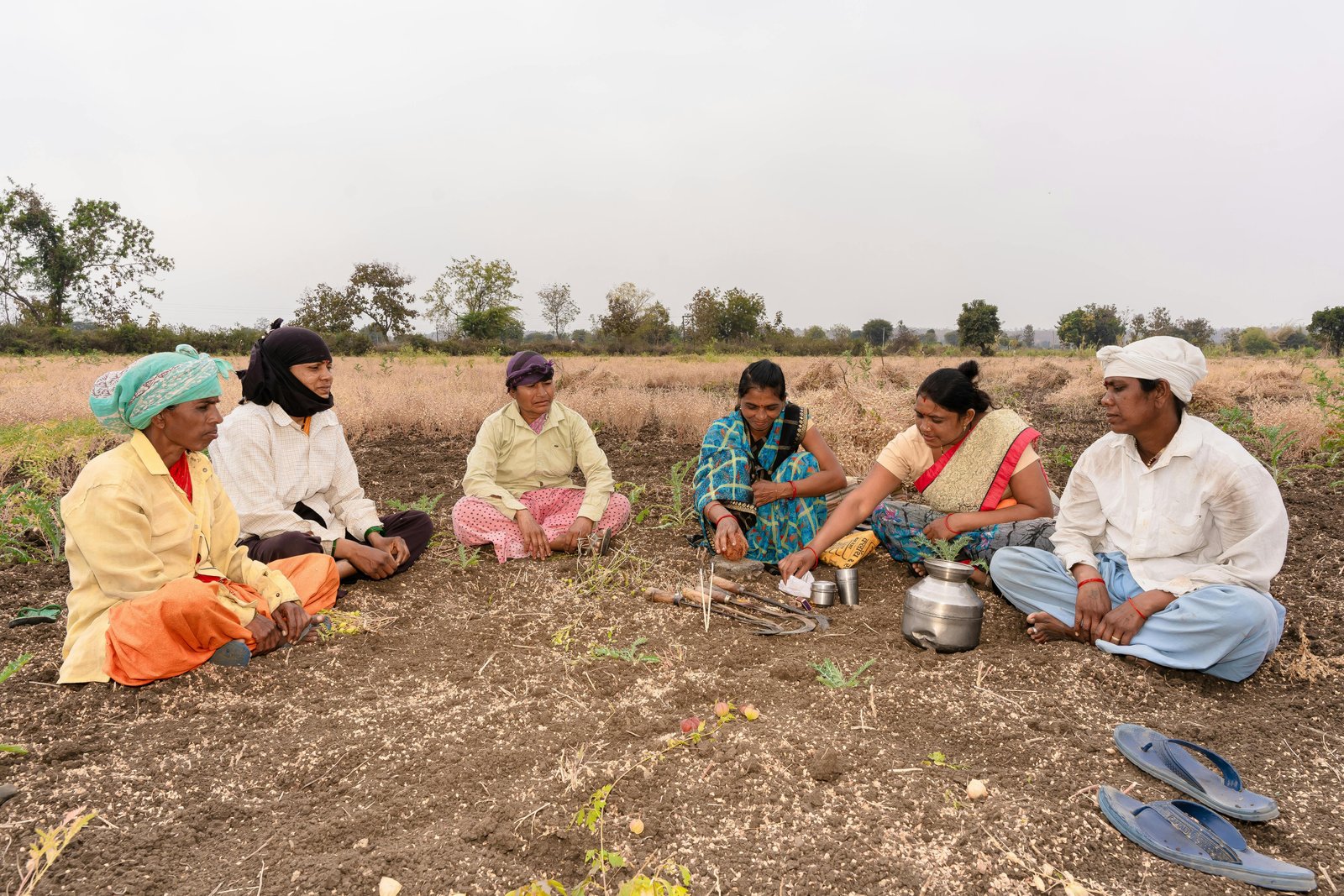
What the study found: The study suggests that Italy’s Food Districts can be understood within the Agricultural Knowledge and Innovation System (AKIS), a European Union framework for agricultural knowledge and innovation. It found that these districts were associated with learning, innovation, infrastructure support, value-chain integration, and networks.
Why the authors say this matters: The authors conclude that, beyond financial support, the legislator should pay more attention to advisory services and digitalization, because these areas were underdeveloped in the transitional period studied. They suggest that doing so would better support rural development.
What the researchers tested: The paper examined Italy’s Food Districts during a regulatory transitional period and used Grounded Theory on regional Strategic Plans. It aimed to frame Food Districts within the AKIS framework and assess how actors and needs were described in those plans.
What worked and what didn't: Findings indicate that farmers and local organizations were already aware of the importance of building networks, which the study presents as a driver of innovation for improving farm structures and product valorisation. Fewer needs were expressed for advisory services and digitalization, and these areas remained underdeveloped.
What to keep in mind: The summary is based on regional Strategic Plans during a transitional period, so the findings are tied to that context. The abstract does not describe other limitations.
Key points
- Food Districts are framed as part of the AKIS agricultural knowledge and innovation framework.
- The study links Food Districts with learning, innovation, infrastructure support, value-chain integration, and networks.
- Farmers and local organizations were already aware of the importance of networks.
- Advisory services and digitalization were mentioned less often and remained underdeveloped.
- The authors say legislators should pay more attention to advisory services and digitalization beyond financial support.
Disclosure
- Research title:
- Food districts linked to agricultural learning and innovation
- Publication date:
- 2026-02-09
- OpenAlex record:
- View
- Image credit:
- Pexels • EqualStock IN · Pexels License
Get the weekly research newsletter
Stay current with peer-reviewed research without reading academic papers — one filtered digest, every Friday.