

What the study found
Hierarchical village clustering can be used to group villages with similar development characteristics and to guide targeted sustainability interventions in the Nagpur Metropolitan Region, India.
Why the authors say this matters
The authors say the approach helps localize sustainability by aligning interventions with each cluster’s specific sustainability needs and capacities. The study suggests this could support resilient and inclusive rural development based on local resources and community capacities.
What the researchers tested
The researchers proposed a multi-step framework for rural sustainability analysis. They assessed villages using socioeconomic and environmental indicators, applied clustering algorithms in R-Studio, and used GIS (geographic information systems) to examine spatial proximity and interdependencies among clusters.
What worked and what didn't
Applied to the Nagpur Metropolitan Region, the method demonstrated how villages could be grouped into clusters with similar development profiles. The abstract says the clustering and spatial analysis showed spatial coherence and proximity-based dynamics, but it does not report detailed performance measures or comparative failures.
What to keep in mind
The abstract does not describe specific limitations, and it does not provide quantitative results in the summary available here. Its claims are based on the Nagpur Metropolitan Region case study, so the scope described in the abstract is region-specific.
Key points
- Villages were grouped by similar development characteristics using hierarchical clustering.
- The framework used socioeconomic and environmental indicators, R-Studio, and GIS.
- The authors say the approach can guide targeted sustainability interventions by cluster.
- The case study was applied to the Nagpur Metropolitan Region, India.
- The abstract does not report detailed limitations or quantitative performance results.
Disclosure
- Research title:
- Village clustering helps localize sustainability planning in Nagpur region
- Publication date:
- 2026-02-11
- OpenAlex record:
- View
- Image credit:
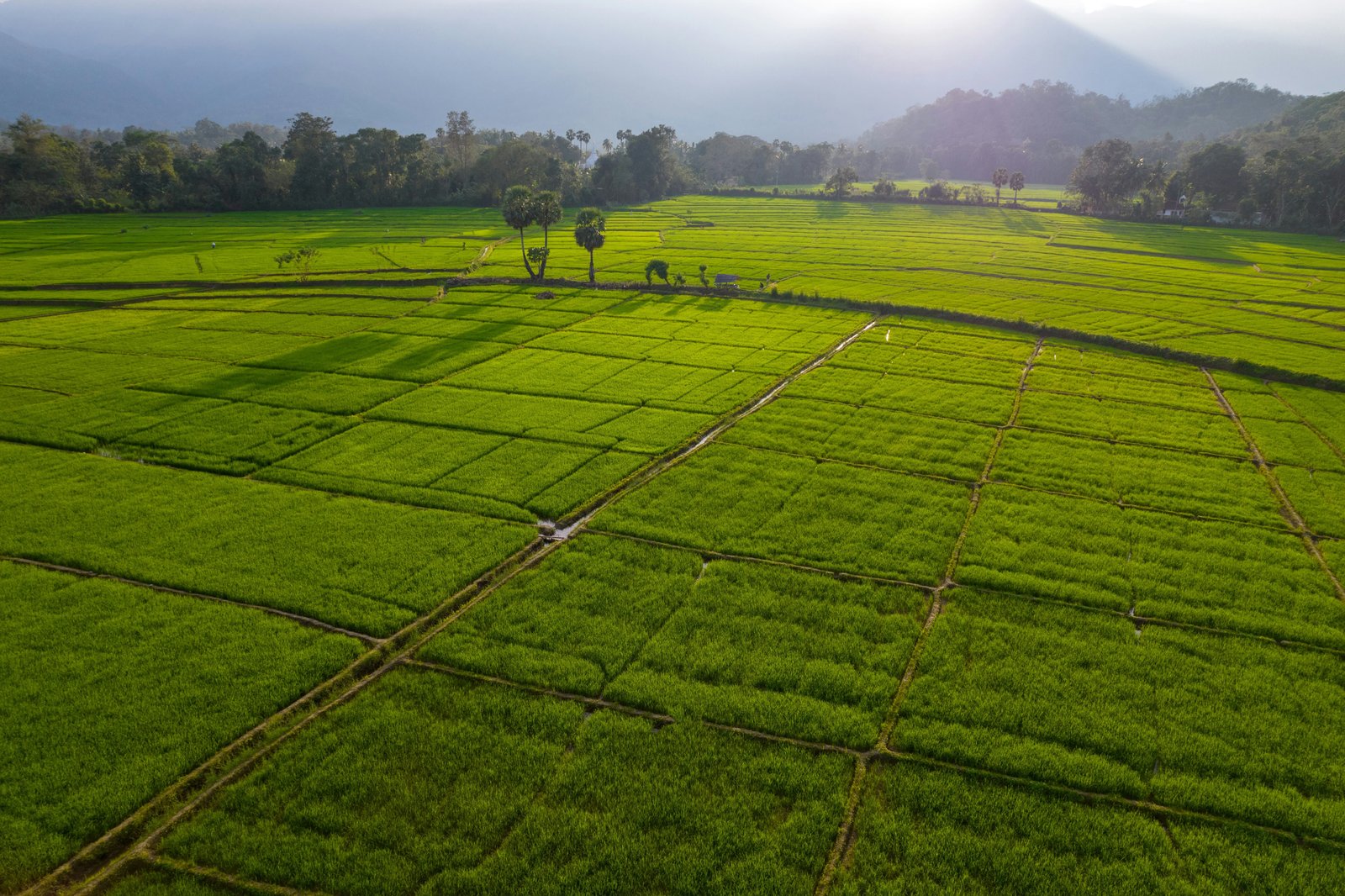
- Photo by sathsara priyankara on Unsplash · Unsplash License
Get the weekly research newsletter
Stay current with peer-reviewed research without reading academic papers — one filtered digest, every Friday.